Active Rest
An Exploration of Time
20 February – 4 April 2026
Active Rest unfolds as an invitation to reconsider how time is perceived, inhabited, and shared. Rather than understanding time as a linear force - something to be spent, managed, or lost - the exhibition proposes time as cyclical, sensorial, and tangible. Like the rhythm of breath, the turning of seasons, or the pull of tides, time here is experienced as something we can enter, rest within, and actively choose.
In a culture shaped by acceleration and constant productivity, rest is often framed as absence - as a pause between moments of activity. Active Rest challenges this notion by presenting rest as a state of presence, attention, and engagement. To rest, in this context, is not to withdraw from experience, but to attune oneself differently: to allow other rhythms, senses, and modes of knowing to surface. The exhibition gathers artistic positions that explore rest not only as escape, but as a fragile balance between activity and stillness, control and surrender, intimacy and distance.
A Slow Pulse
Paintings by Rhiannon Inman-Simpson
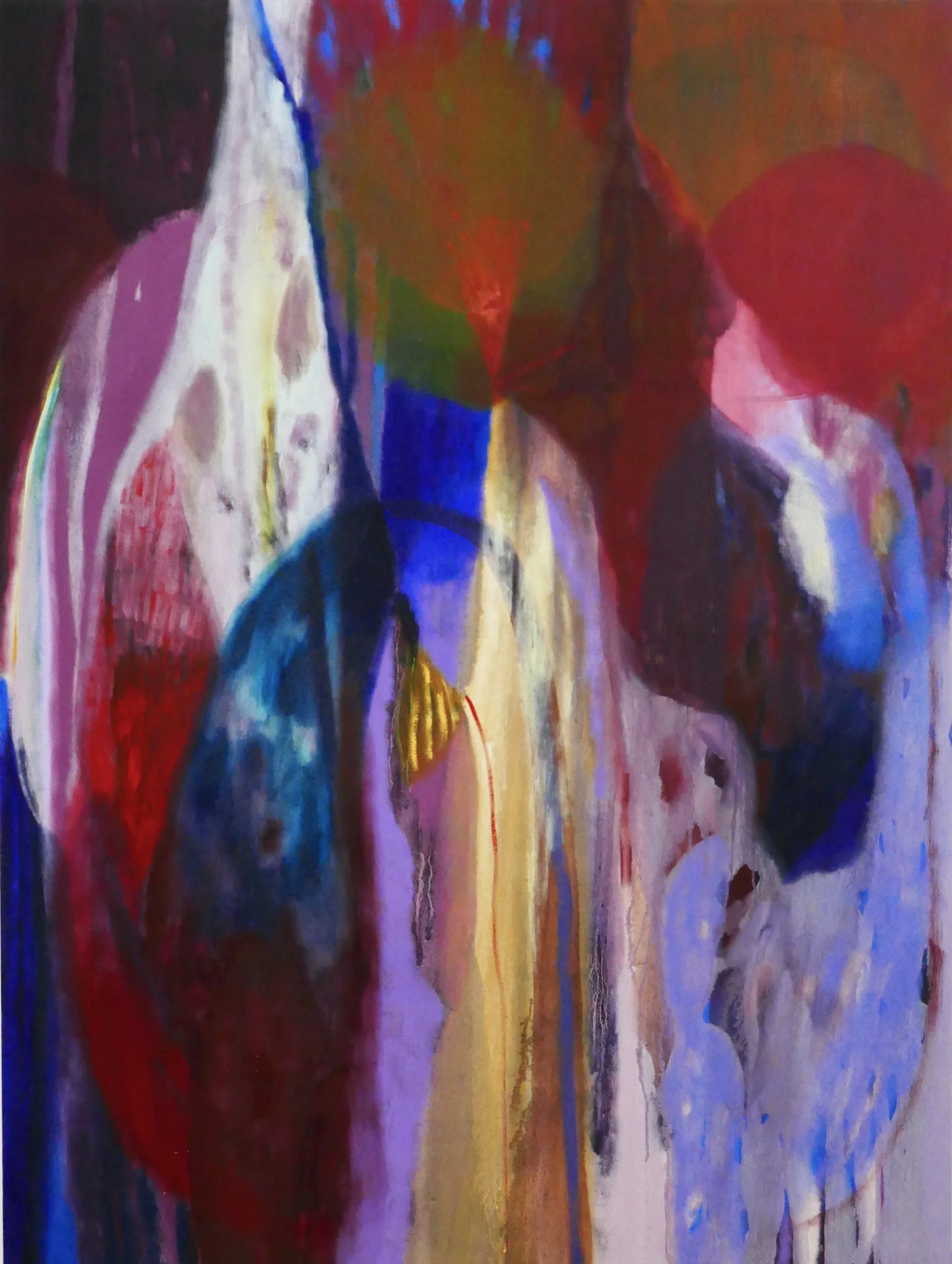
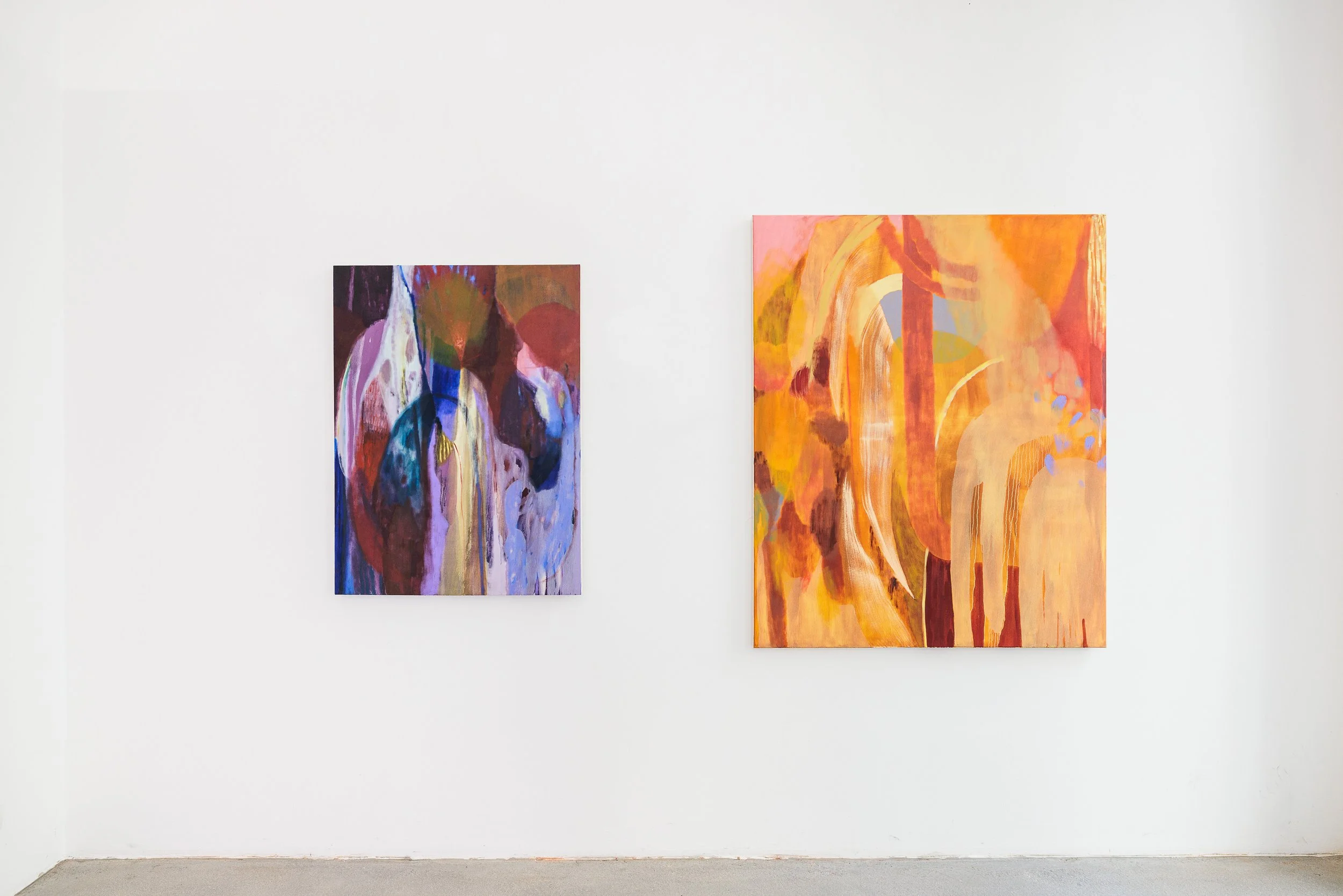
Surrounding this core experience are abstract paintings by Rhiannon Inman-Simpson, a UK-based artist whose work is deeply connected to nature - not as a depiction, but as an experience. They reflect what it feels like to be surrounded by nature: grounded, exposed, alive, and humbled. Nature appears here as something that both connects and unsettles, activating inner worlds. The works invite viewers to notice what stirs internally, rather than what is represented externally.
A Slow Pulse suggests a rhythm that resists urgency - a bodily tempo that allows presence. It allows time to stretch, attention to deepen, and rest to sustain.
Inman-Simpson’s practice is guided by intuition and letting go. She describes painting as a way of accessing a mode of thinking closer to dreaming, where rational control loosens and other forms of knowing emerge. In this state, one part of the mind rests while another becomes active.
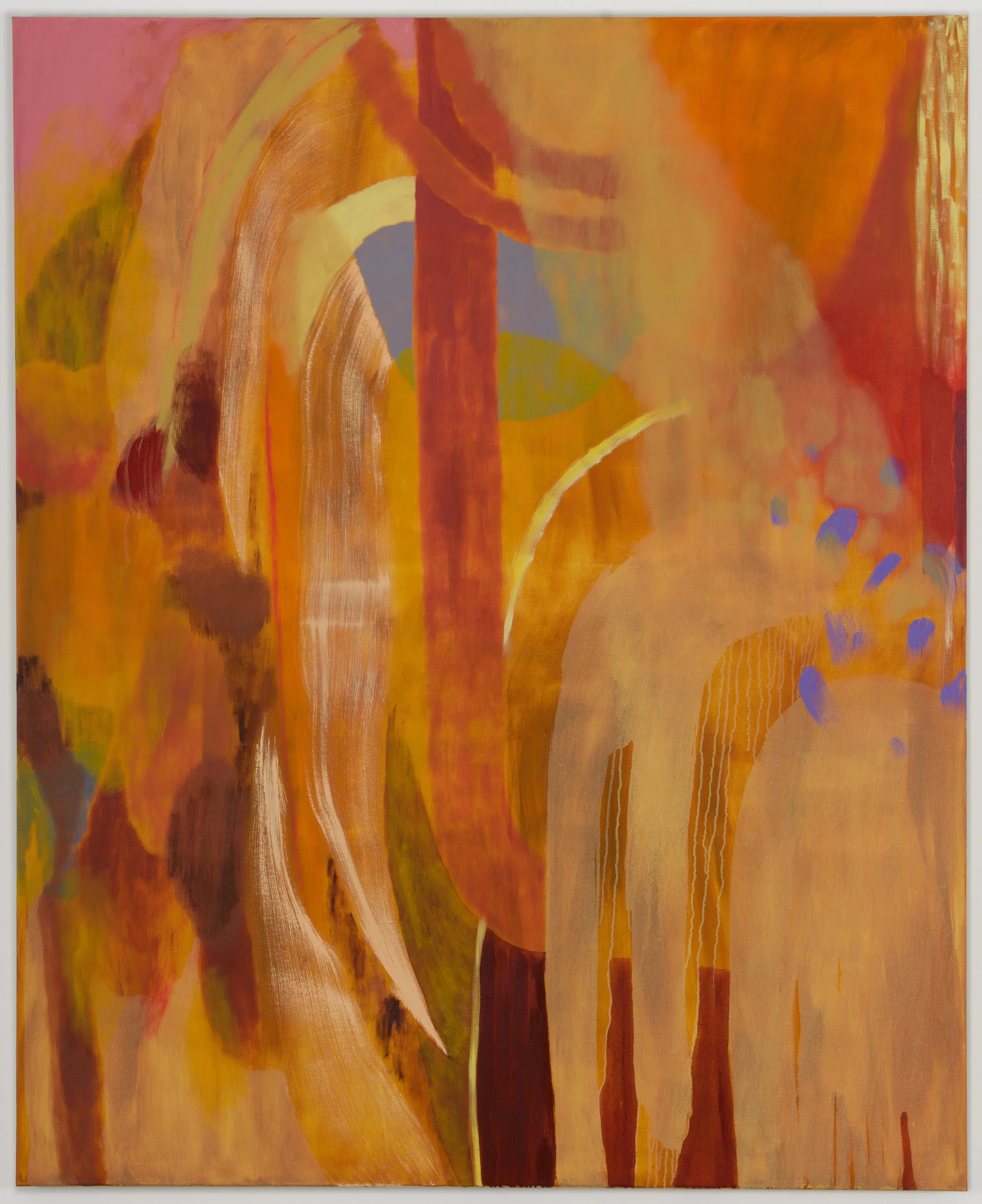
Rhiannon Inman-Simpson
A slow pulse
2023
Oil on canvas
160 x 130 cm
Her titles extend the paintings beyond the image. The Timekeeper gestures towards questions of control and duration; Too Close speaks to intimacy as both comfort and threat; I Bite Into a Red Morning Sun Rising introduces taste, warmth, and immediacy. Together, they reflect on the exhibition’s central questions - how time is sensed rather than measured, how closeness offers rest as well as tension, and how experience is held in the body before it is understood.
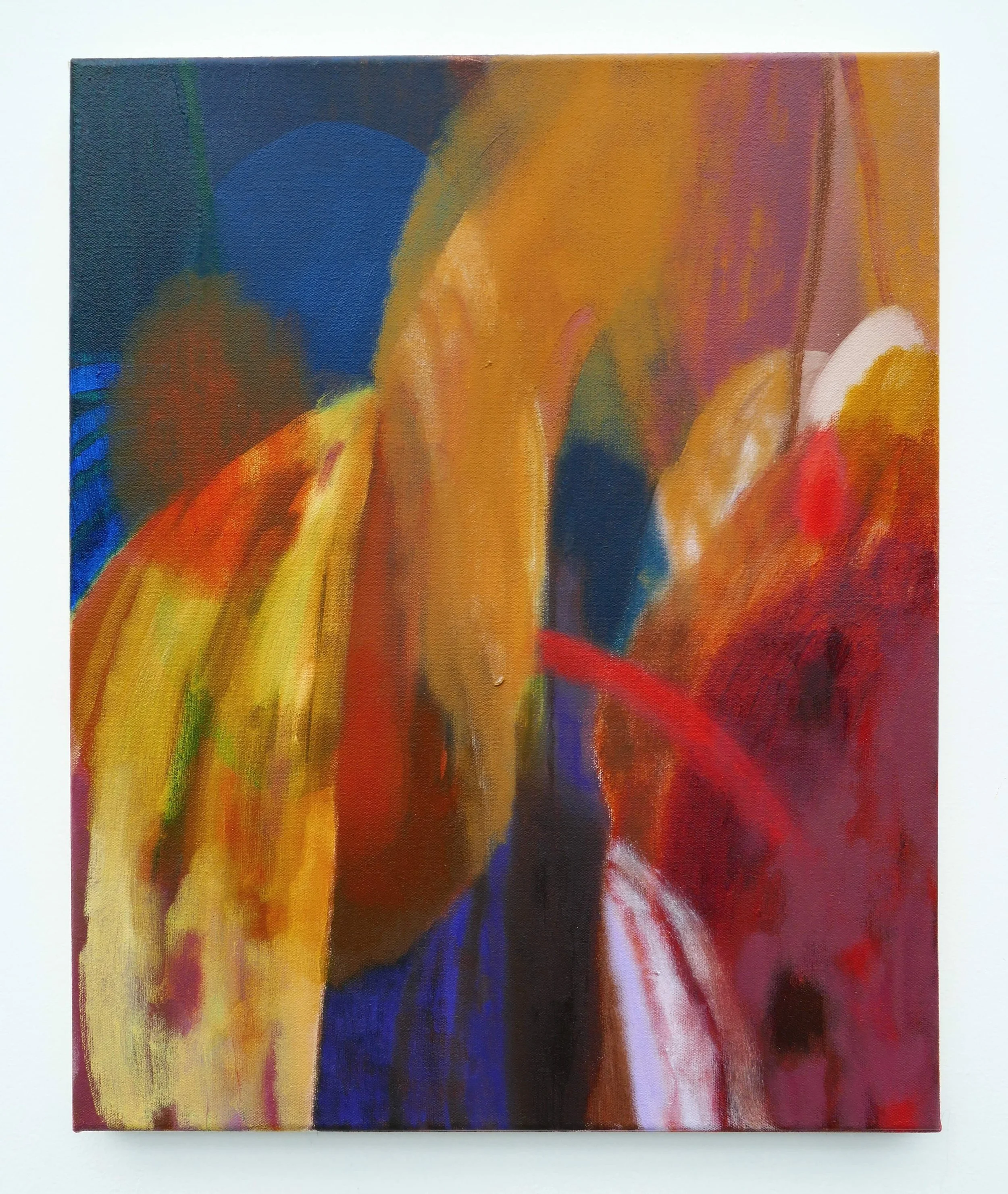
Rhiannon Inman-Simpson
Too close
2025
Oil on canvas
50 x 40 cm
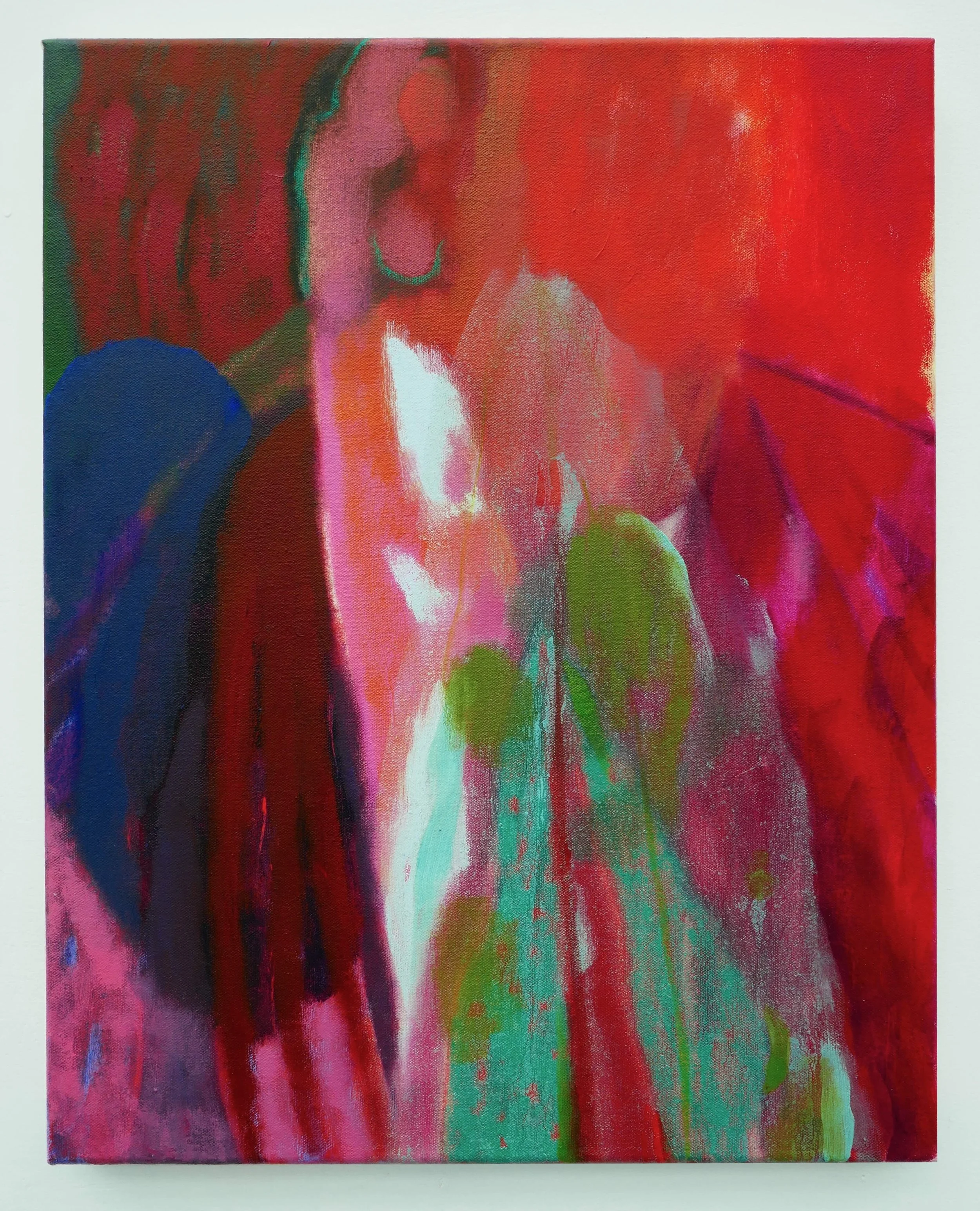
Rhiannon Inman-Simpson
I bite into a red morning sun rising
2025
Oil on canvas
50 x 40 cm
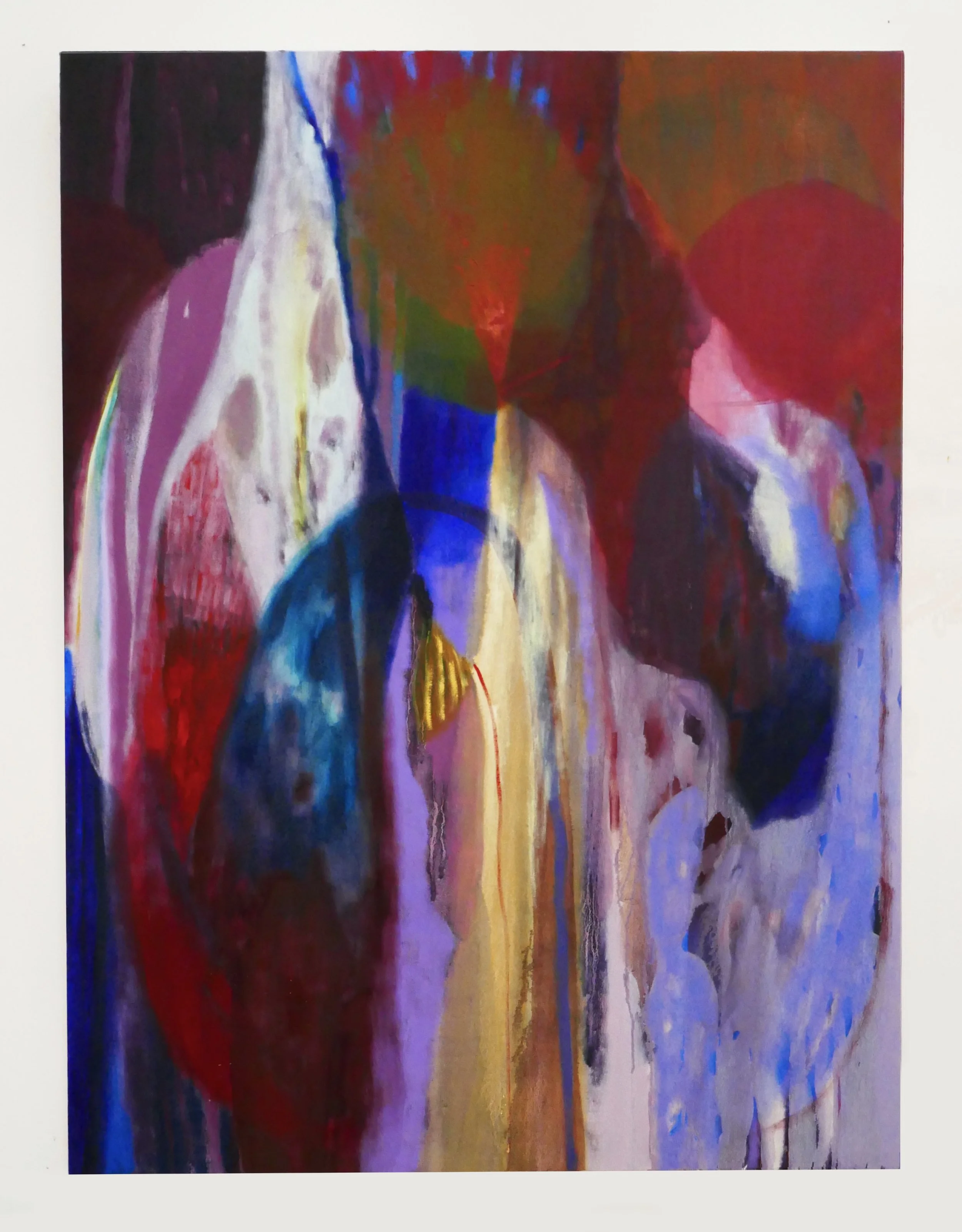
Rhiannon Inman-Simpson
The timekeeper
2025
Oil on canvas
121 x 91 cm
Lovers
Promptographies and Video by Crystin Moritz
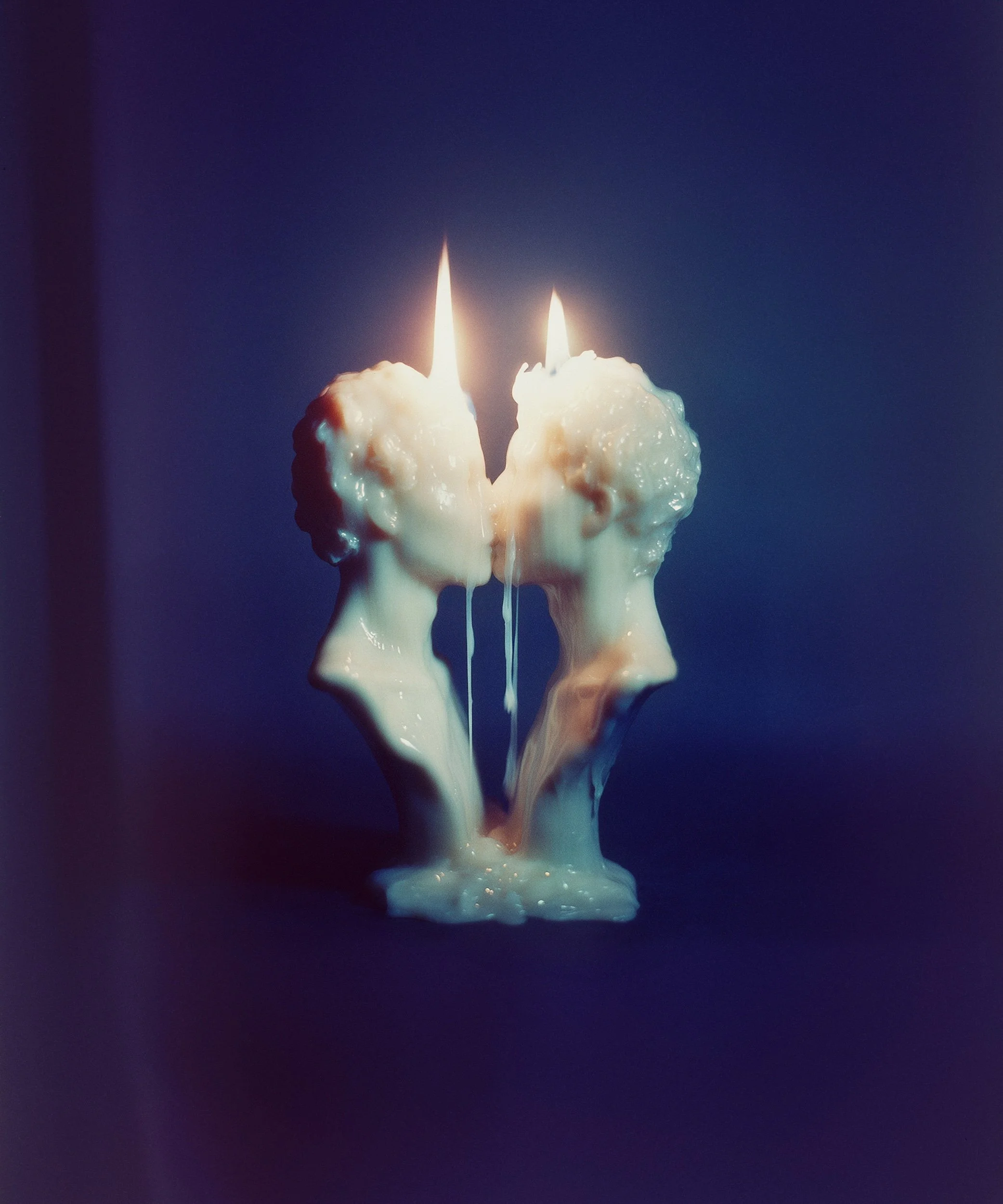
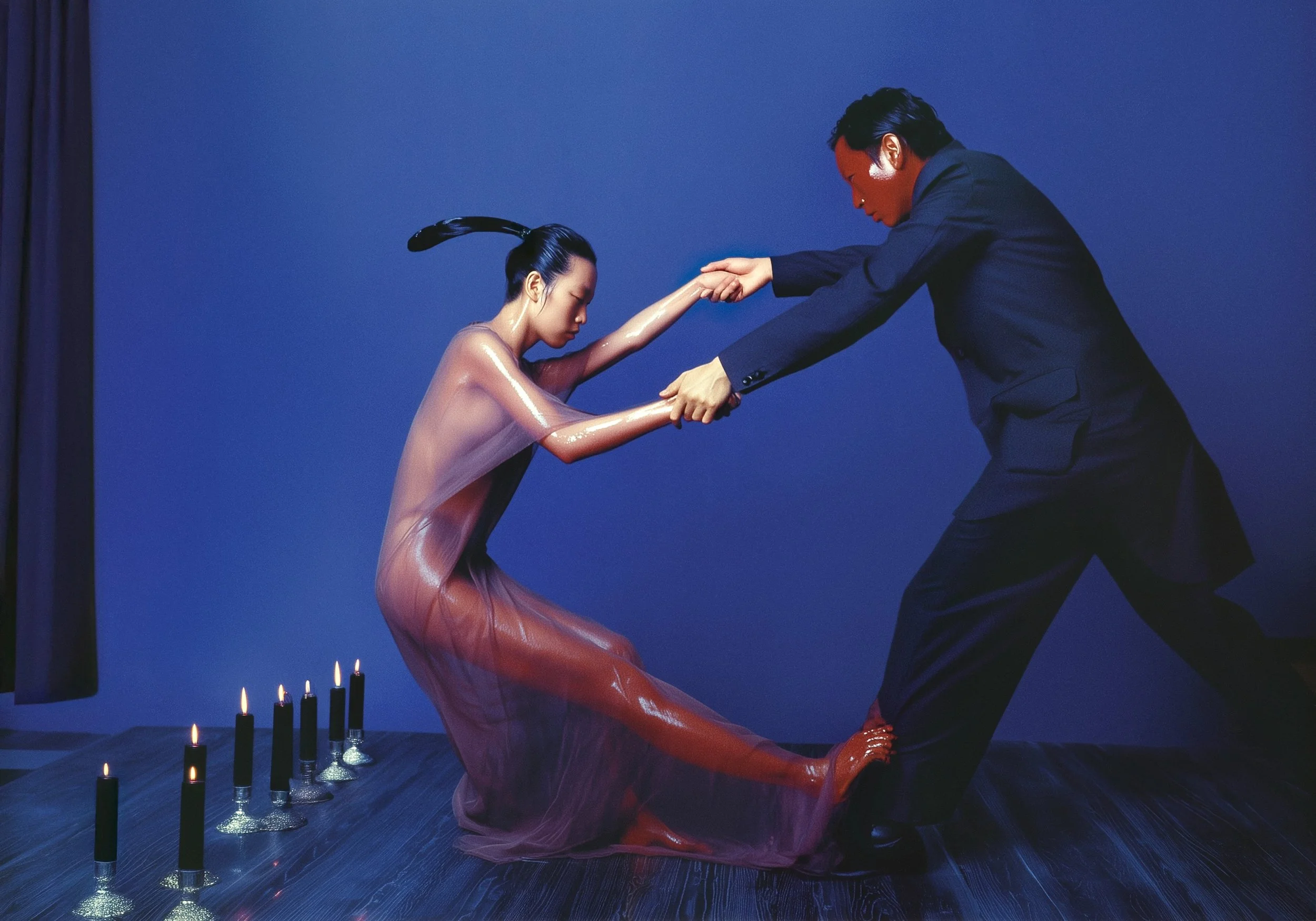
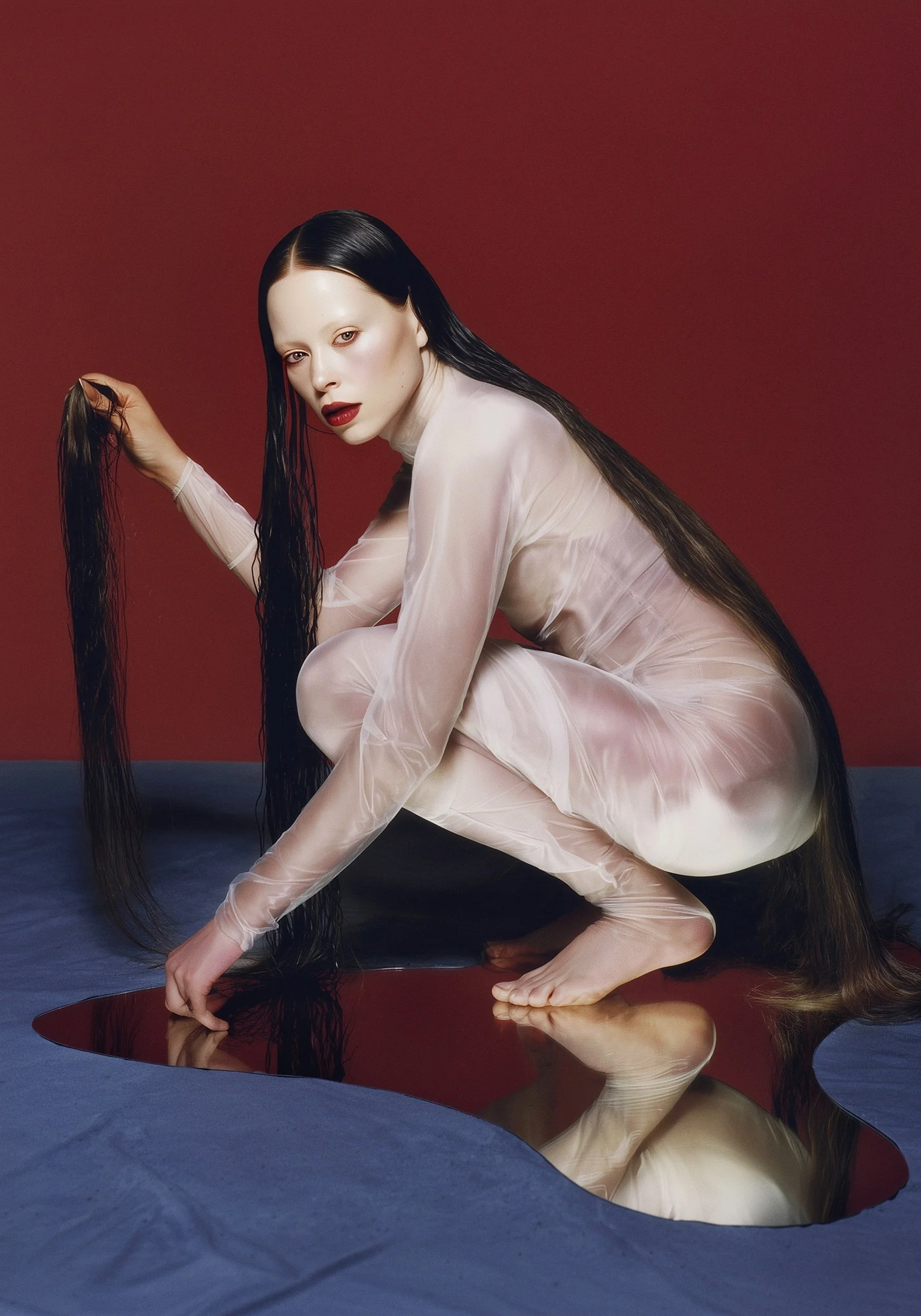
The exhibition concludes with works by Crystin Moritz, an artist with a background in analog photography disrupting classical imagery with artificial intelligence. Her series Lovers explores intimacy, trust, and the act of holding - physically and emotionally.
These works resonate strongly with Inman-Simpson’s Too Close, reflecting on the precarious balance between connection and suffocation. The figures in Lovers appear on the verge of finding and losing themselves. Intimacy is presented as a momentary alignment rather than a stable state. Rest is found in brief instances of surrender, followed by the need for distance.
By combining the visual language of analogue photography with contemporary AI processes, Crystin introduces uncertainty into perception itself. What can be trusted - the image, the tool, the feeling? The moment of intimacy here is real, but temporary. Like rest, it cannot be held indefinitely. It arrives, dissolves, and returns in another form.
Crystin Moritz
Lovers 1
2026
Fine art print
30 x 25 cm
Crystin Moritz
Lovers 2
2026
Fine art print
70 x 100 cm
Crystin Moritz
Lovers 3
2026
Fine art print
100 x 70 cm
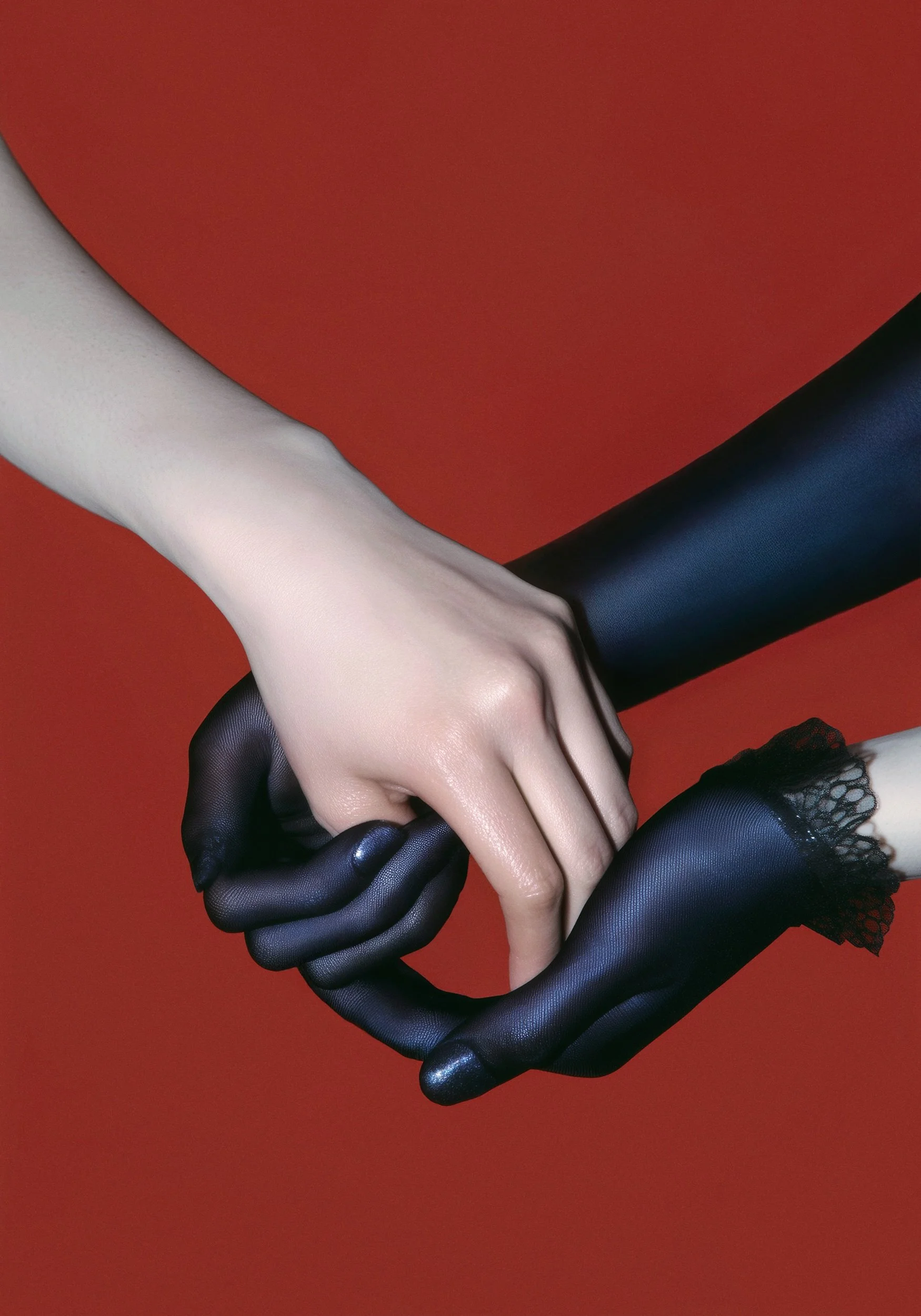
Crystin Moritz
Lovers 4
2026
Fine art print
100 x 70 cm
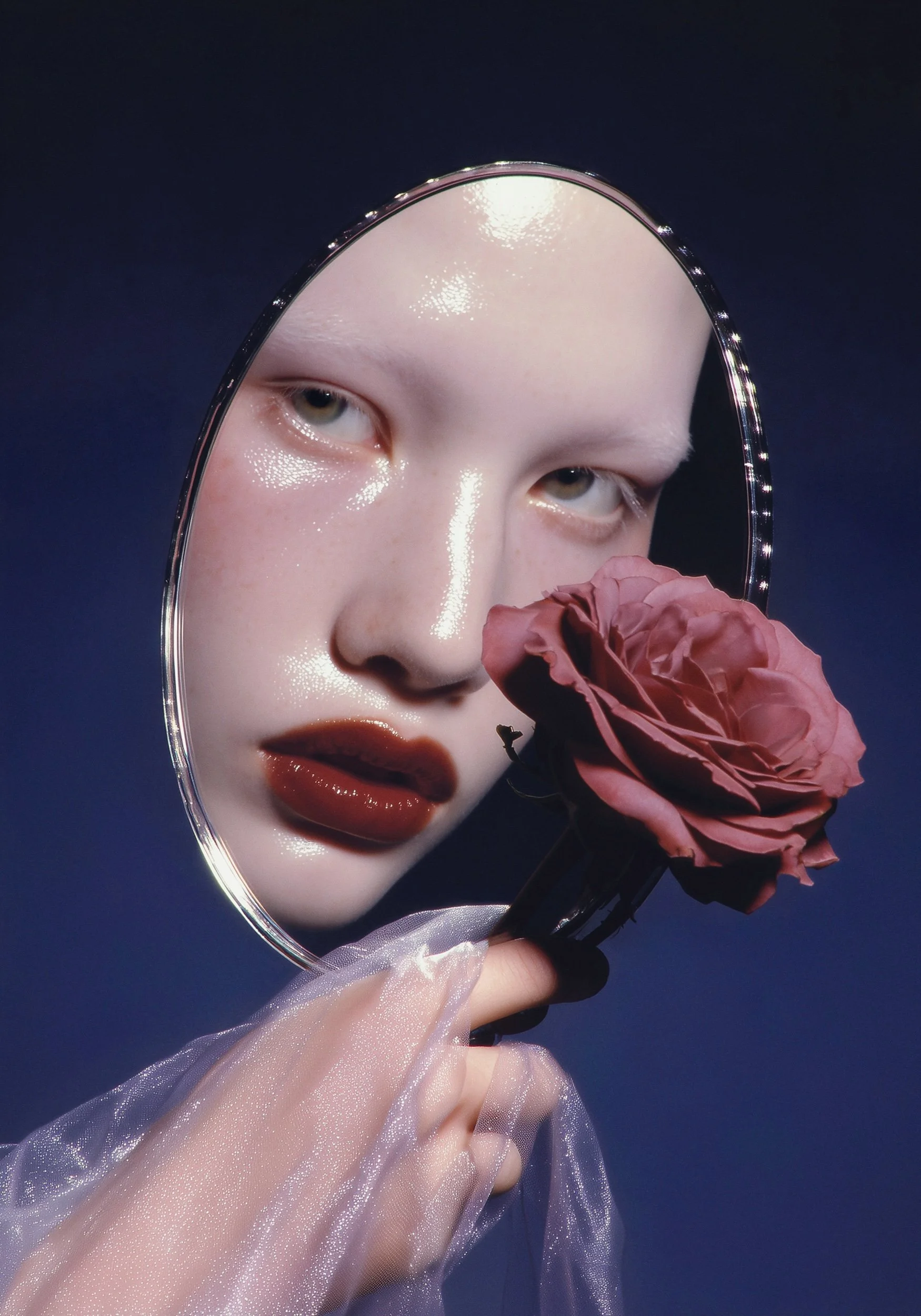
Crystin Moritz
Lovers 6
2026
Fine art print
100 x 70 cm
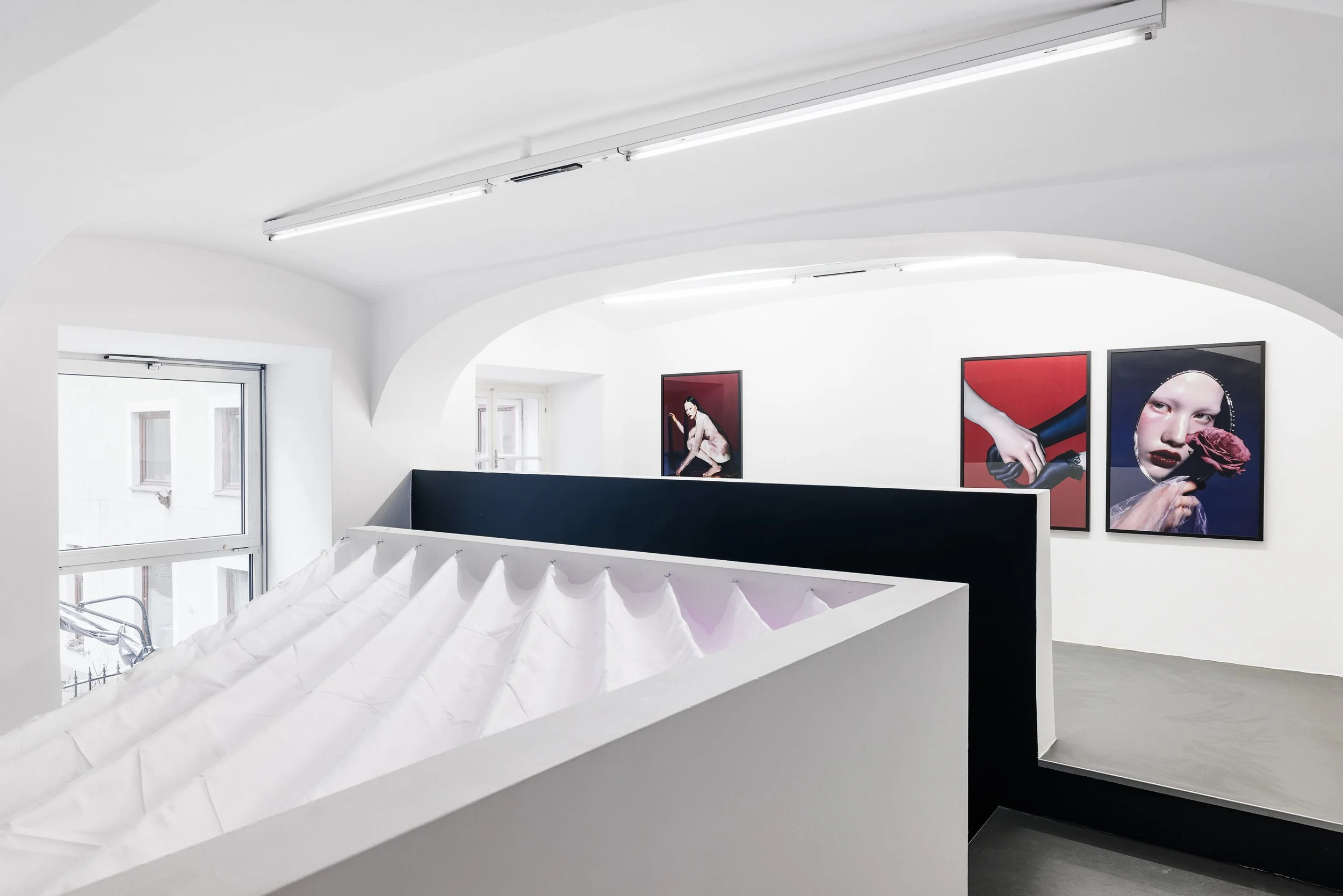
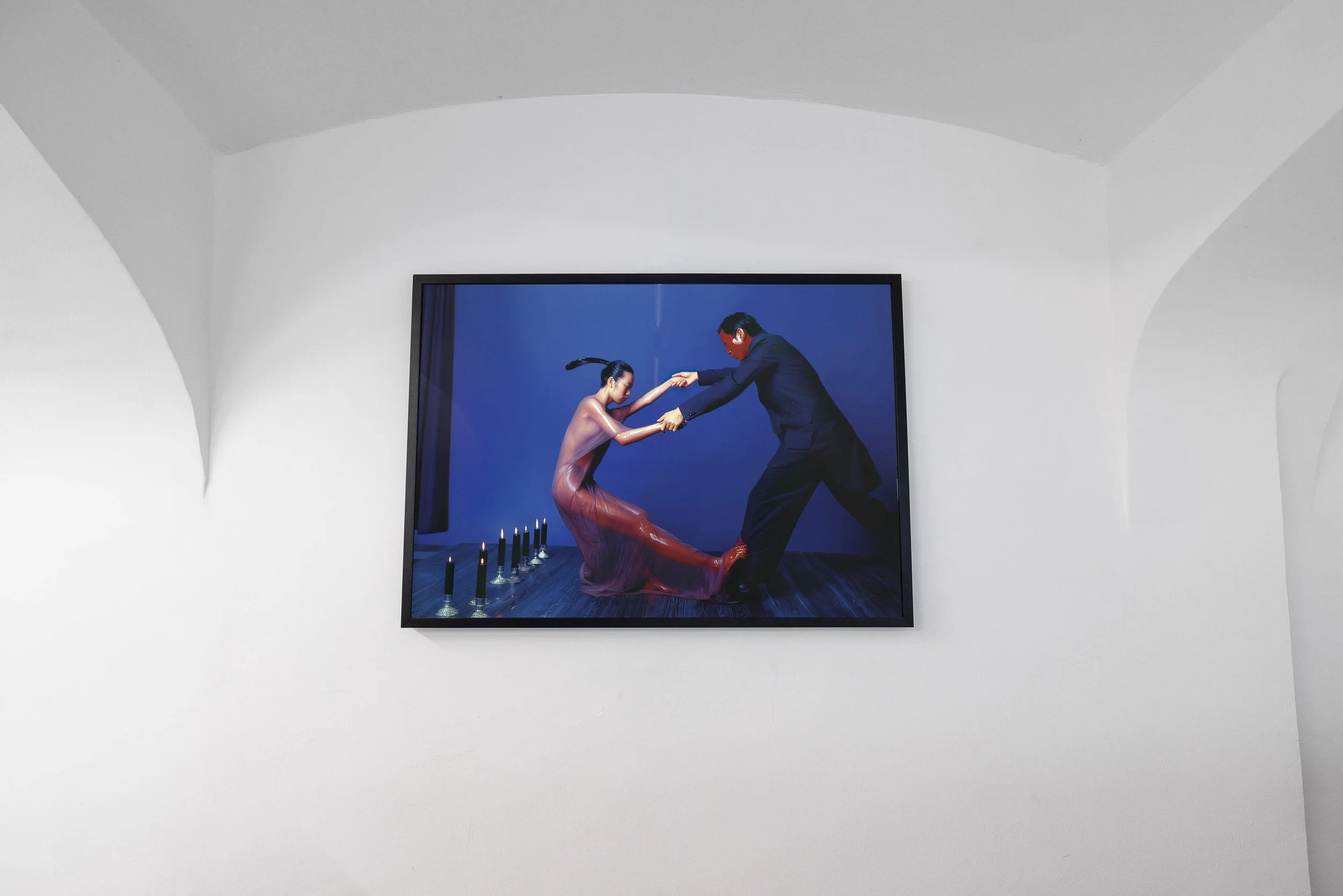
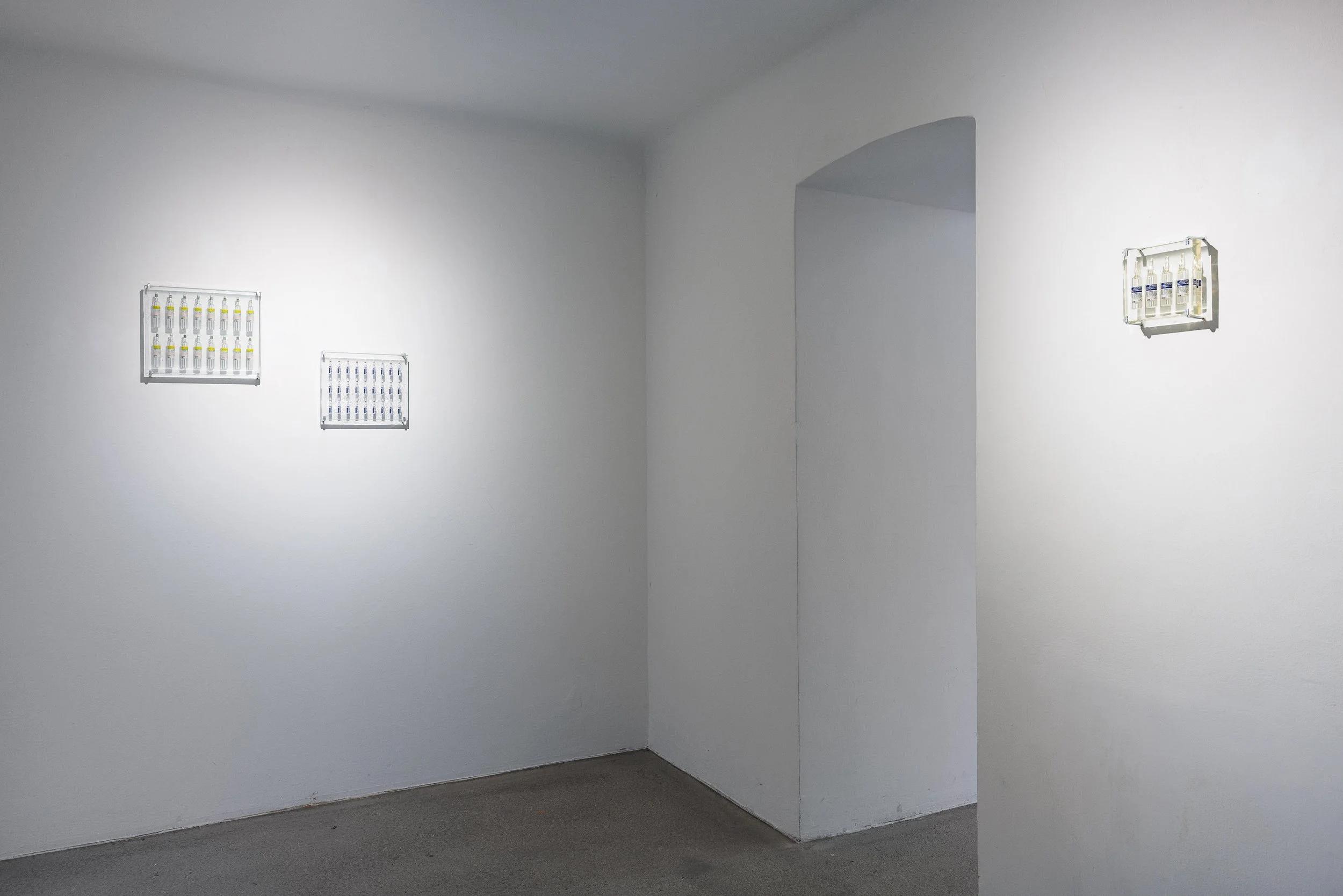
None of Your Art Will Have the Same Impact as 200mg of Propofol
Objects by Laura Stoll
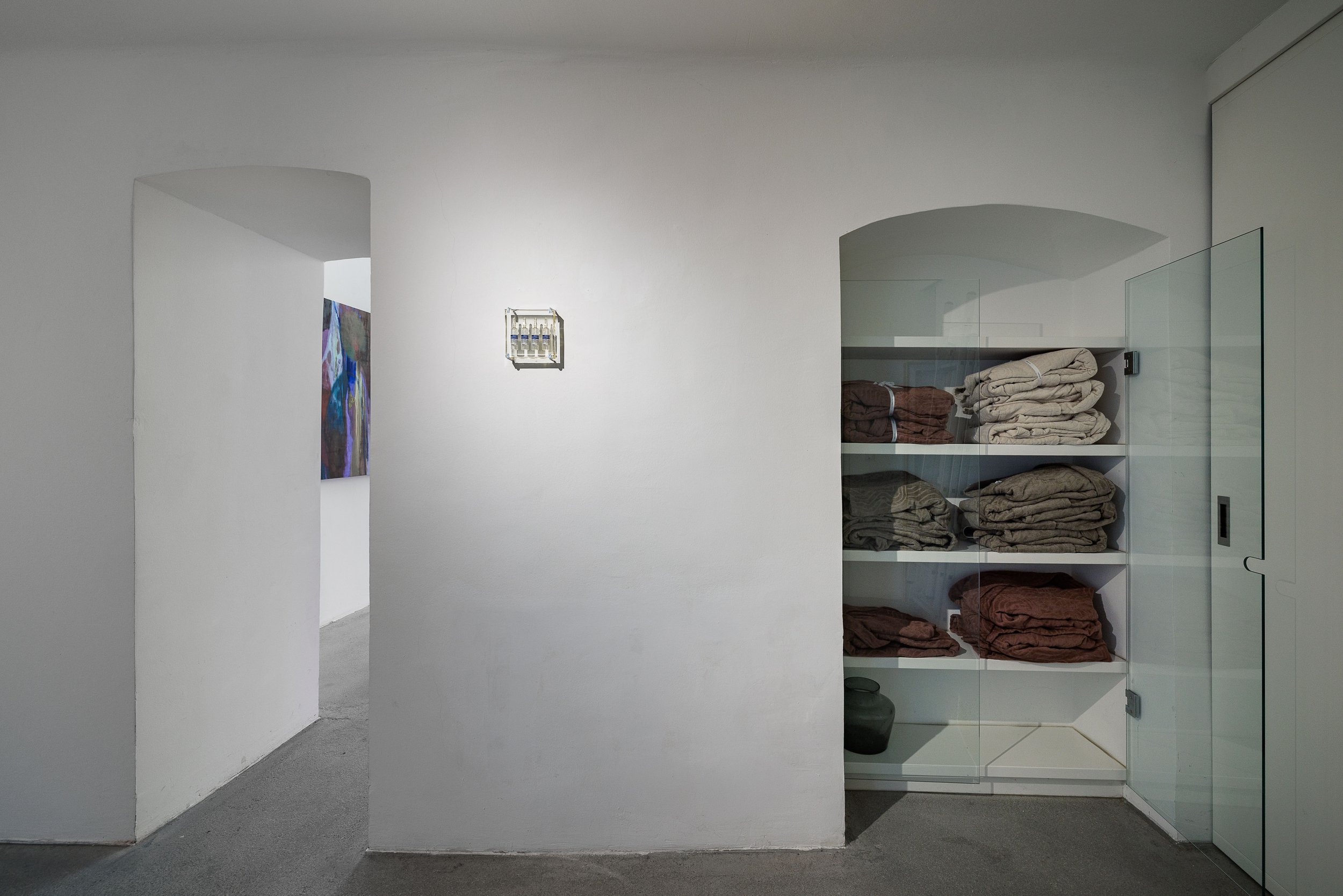
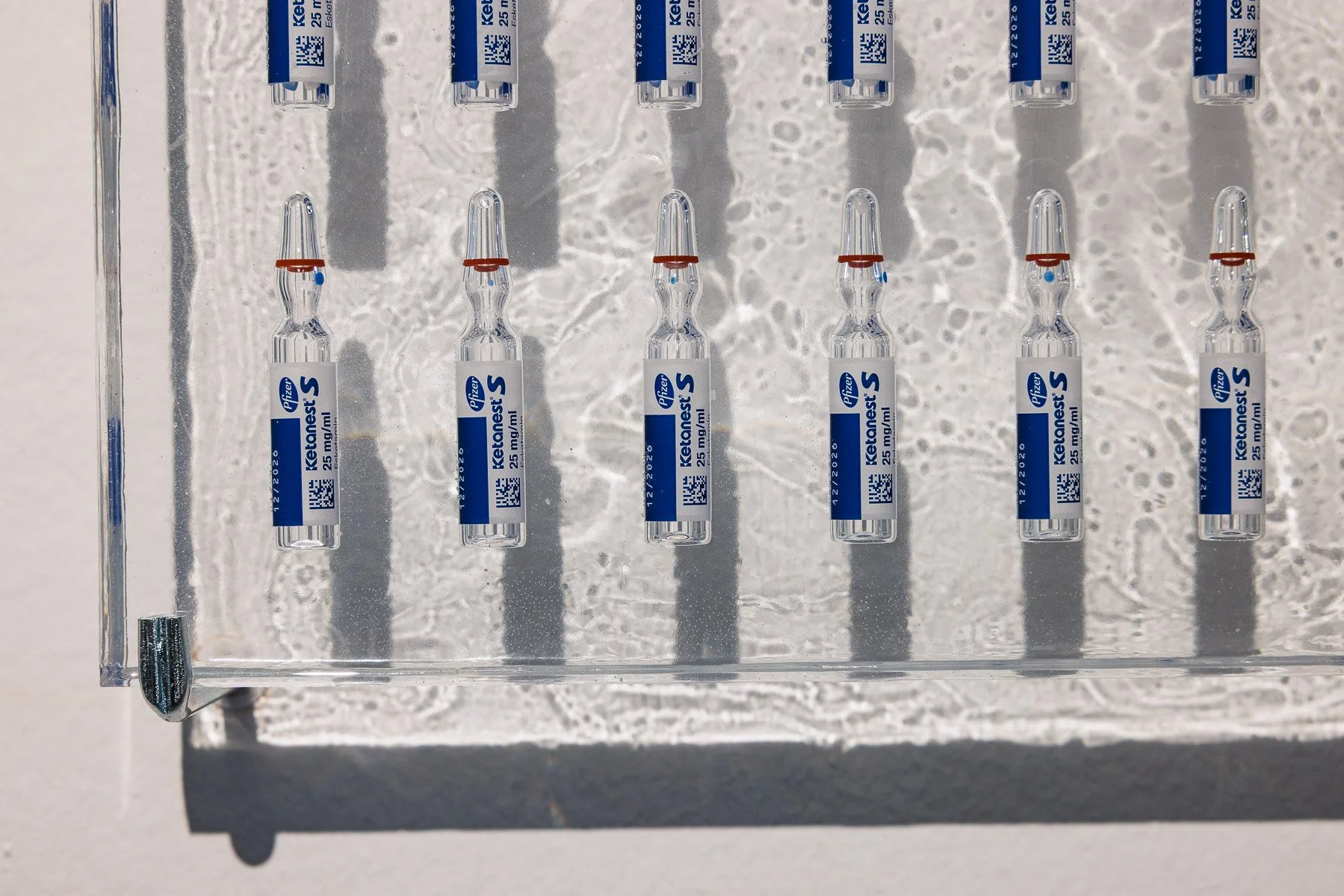
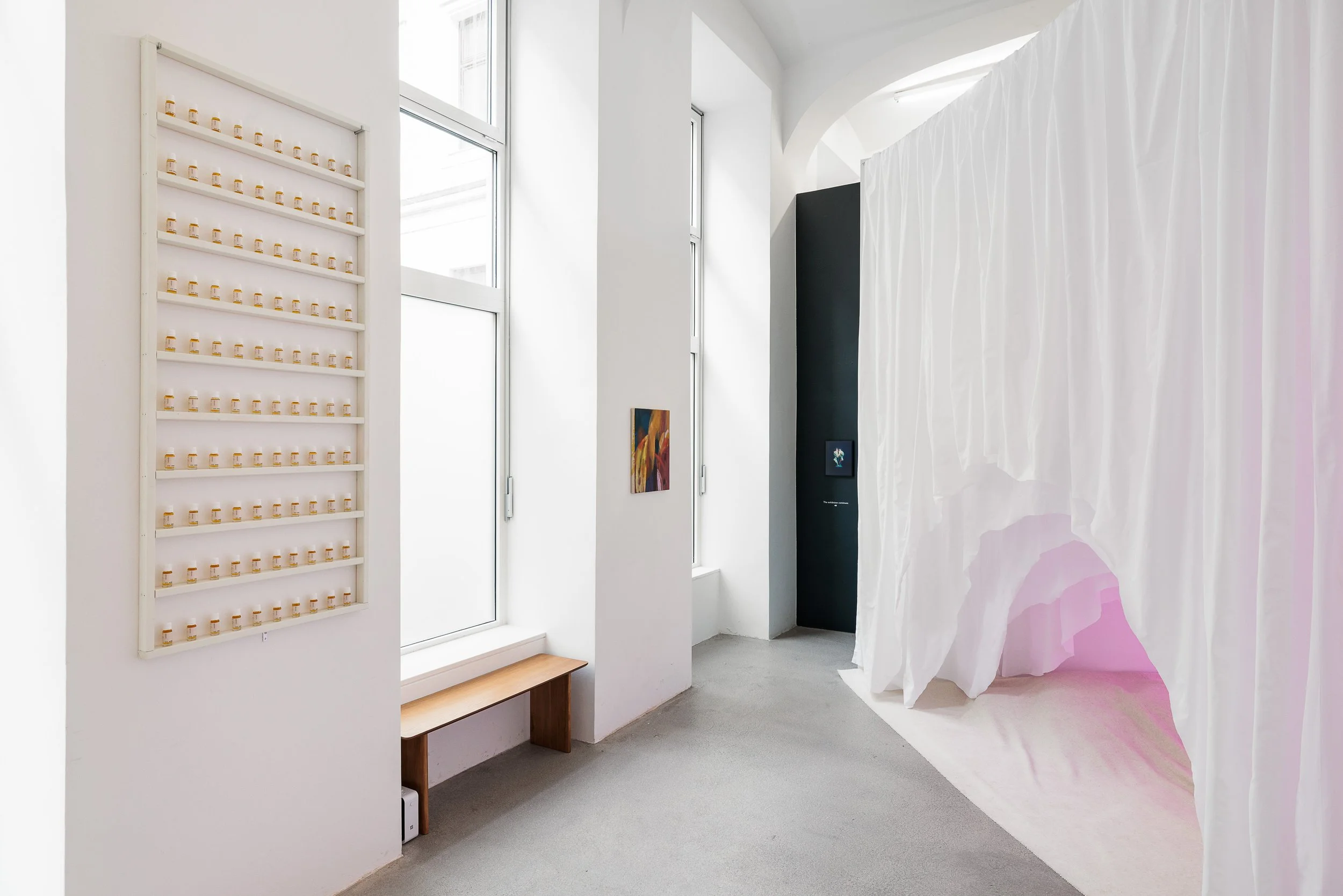
A more ambivalent dimension of rest emerges in the work of Laura Stoll, who works professionally as a doctor in anaesthesia. Her artistic practice engages directly with narcotics such as ketamine and propofol: empty ampules cast into epoxy serve as relics of time spent unconsciously, the dosage calculated according to the artist’s own weight and age.
These works address the idea of “perfect sleep” and the human desire to be temporarily released from sensation, consciousness, or pain. Anaesthesia numbs, but artificial sleep is not restorative. Here, it functions both medically and metaphorically - as a necessary intervention and as a cultural impulse to numb oneself in the face of overwhelming reality.
Throughout history and across cultures, humans have sought ways to let go - through ritual, intoxication, trance, or sedation. Such practices exist on a spectrum between care and risk, healing and misuse. In the context of Active Rest, these works ask how much withdrawal is necessary for psychological survival, and when rest becomes avoidance. They complicate the idea of rest as purely restorative, suggesting that rest can also involve danger, dependency, and loss of control.
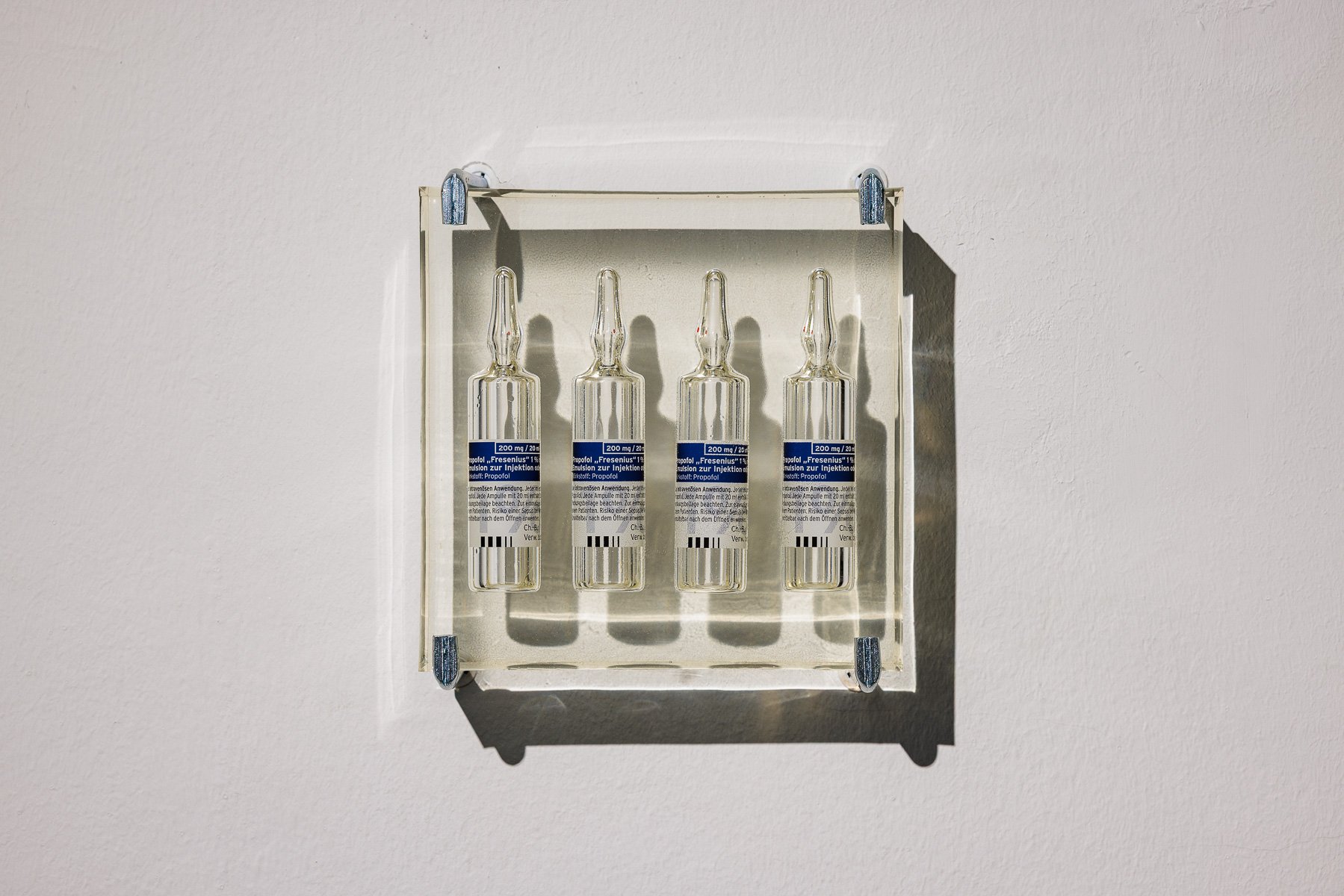
Laura Stoll
2 hours/Propofol
2025
Empty ampules, epoxy resin
15 x 15 cm
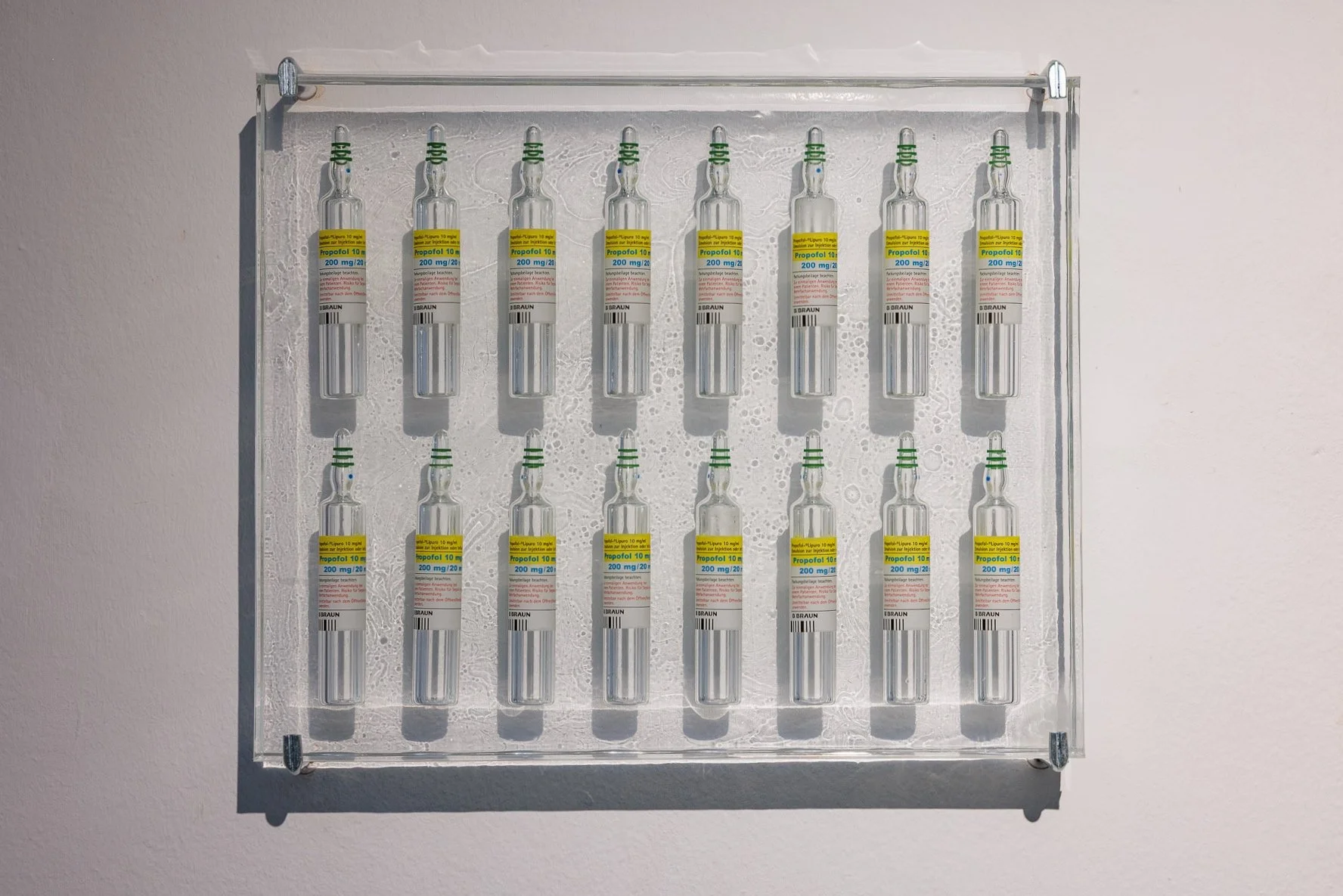
Laura Stoll
10 hours/Propofol
2026
Empty ampules, epoxy resin
29 x 35 cm
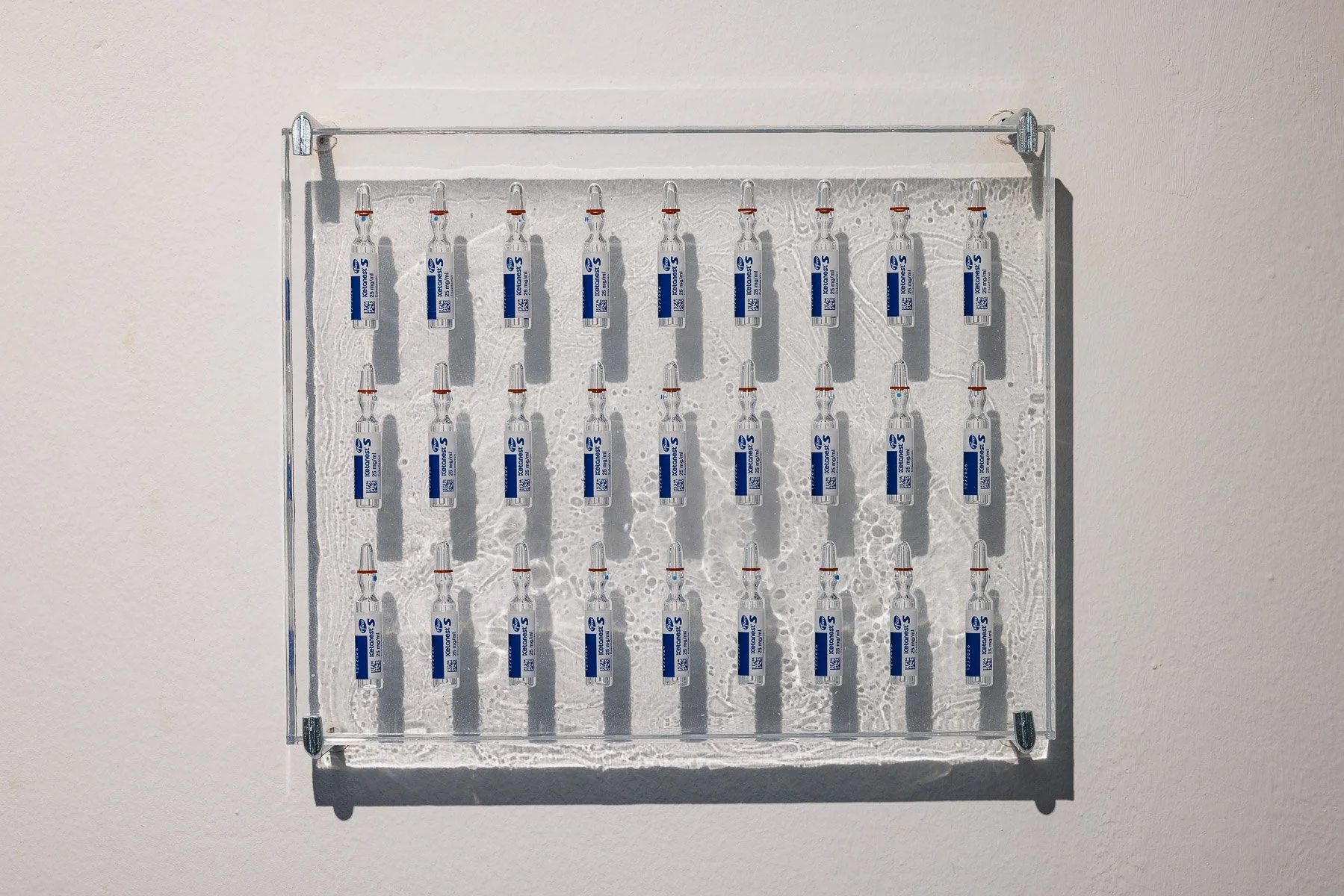
Laura Stoll
12 hours/Ketanest
2026
Empty ampules, epoxy resin
24 x 30 cm
Reminder
Roomscent and Installation by Alexander Kasses / Néomirage
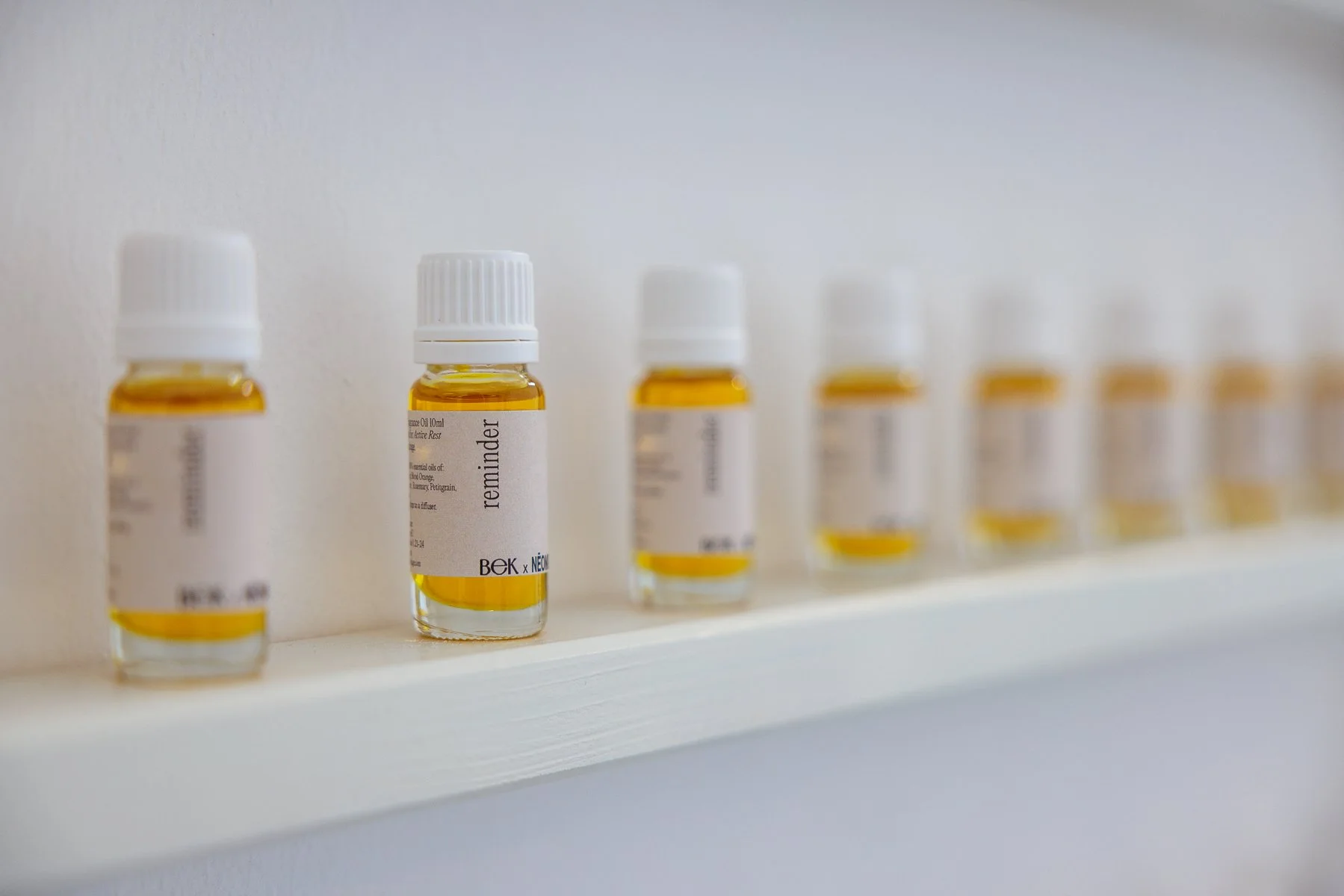
The olfactory artwork Reminder, created specifically for the exhibition by artist and perfumer Alexander Kasses of the Viennese fragrance house Néomirage, engages time through scent — the sense most closely tied to memory and the body.
Inspired by Marcel Proust’s reflections on involuntary memory, the fragrance exists both immaterially in the space and materially as a limited edition of one hundred oil essences. Composed of incense, blood orange, and ylang-ylang, the scent is grounding yet alert. It does not sedate; it awakens a gentle attentiveness.
Smell cannot be avoided or fully controlled. It enters the body directly, often before thought. At the same time, it can be conditioned - returning us to specific moments through repetition. In this tension between exposure and intention, Reminder becomes a tool for active rest: a way of marking time, individually and physically.
To take the fragrance away is a Reminder that rest can be chosen again.
Together, the works in Active Rest form a network of correspondences. They invite visitors to move between bodily sensation and reflection, between rest as care and rest as risk, between presence and disappearance. The exhibition does not offer rest as a solution, but as a practice - one that must be negotiated repeatedly, consciously, and collectively.
In entering Active Rest, visitors are not asked to escape time, but to encounter it differently. To slow its pulse. To feel its weight. To rest not by stopping, but by choosing how and when to be fully present.
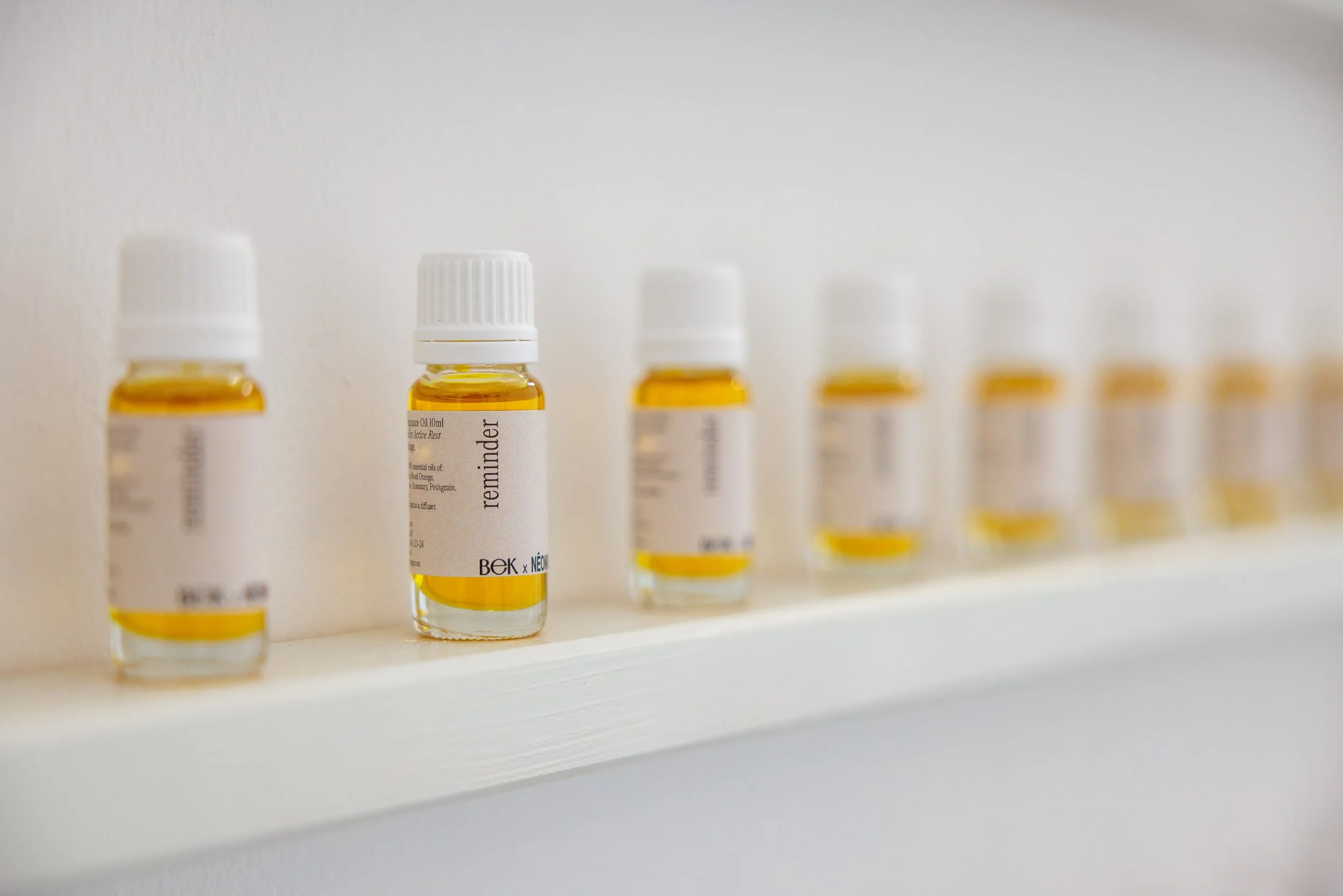
Alexander Kasses / Néomirage
Reminder
2026
Essential oil, 10 ml
Edition of 100
Program series
Thursday, 19 February
Tea Reception & Conversation
with Rhiannon Inman-Simpson
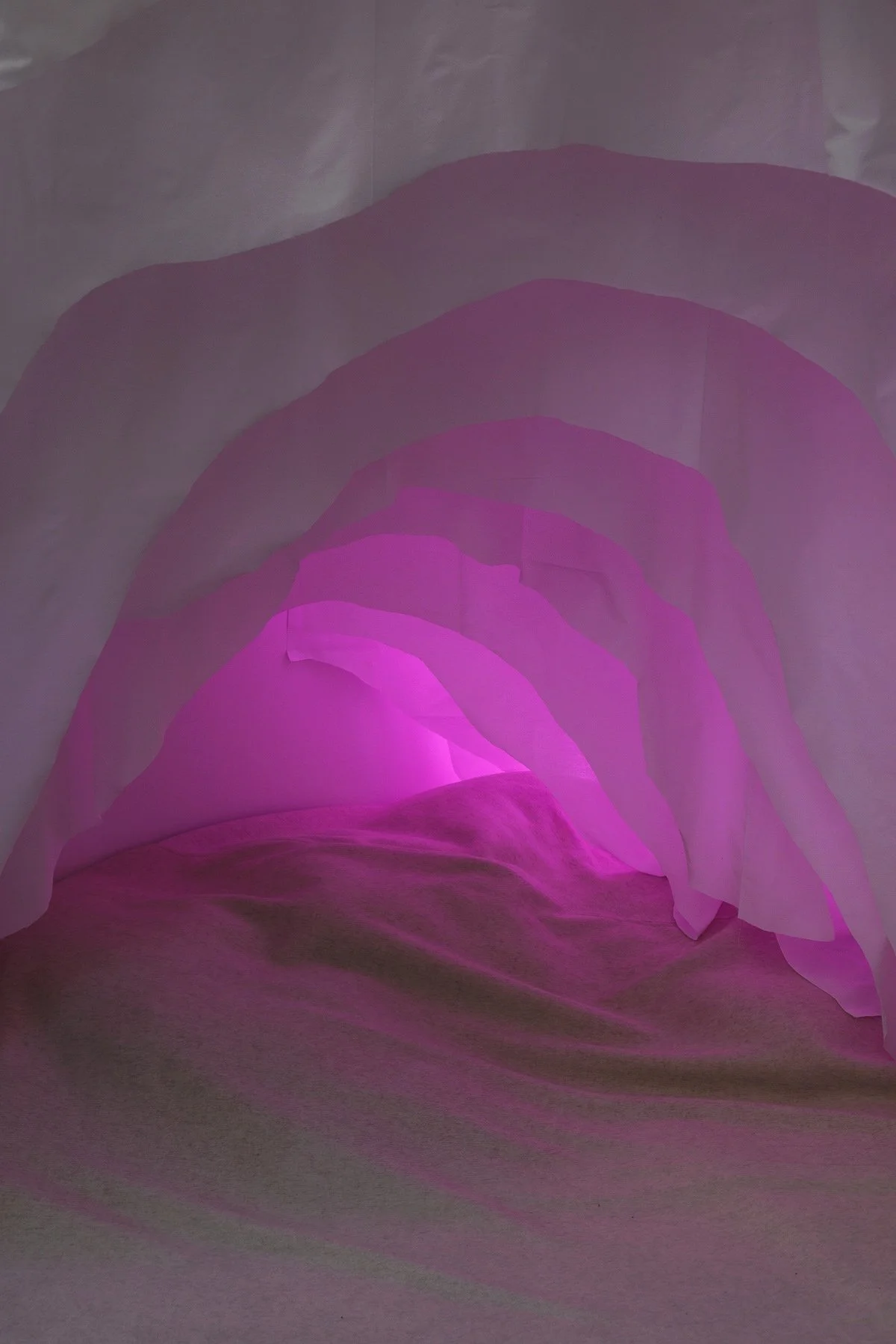
Thursday, 26 February, 6pm
Space and Sound
Pavilion of Time by Aknur Zhussip & Zarina Belousova; Sound bath by Ricarda Silva Henao
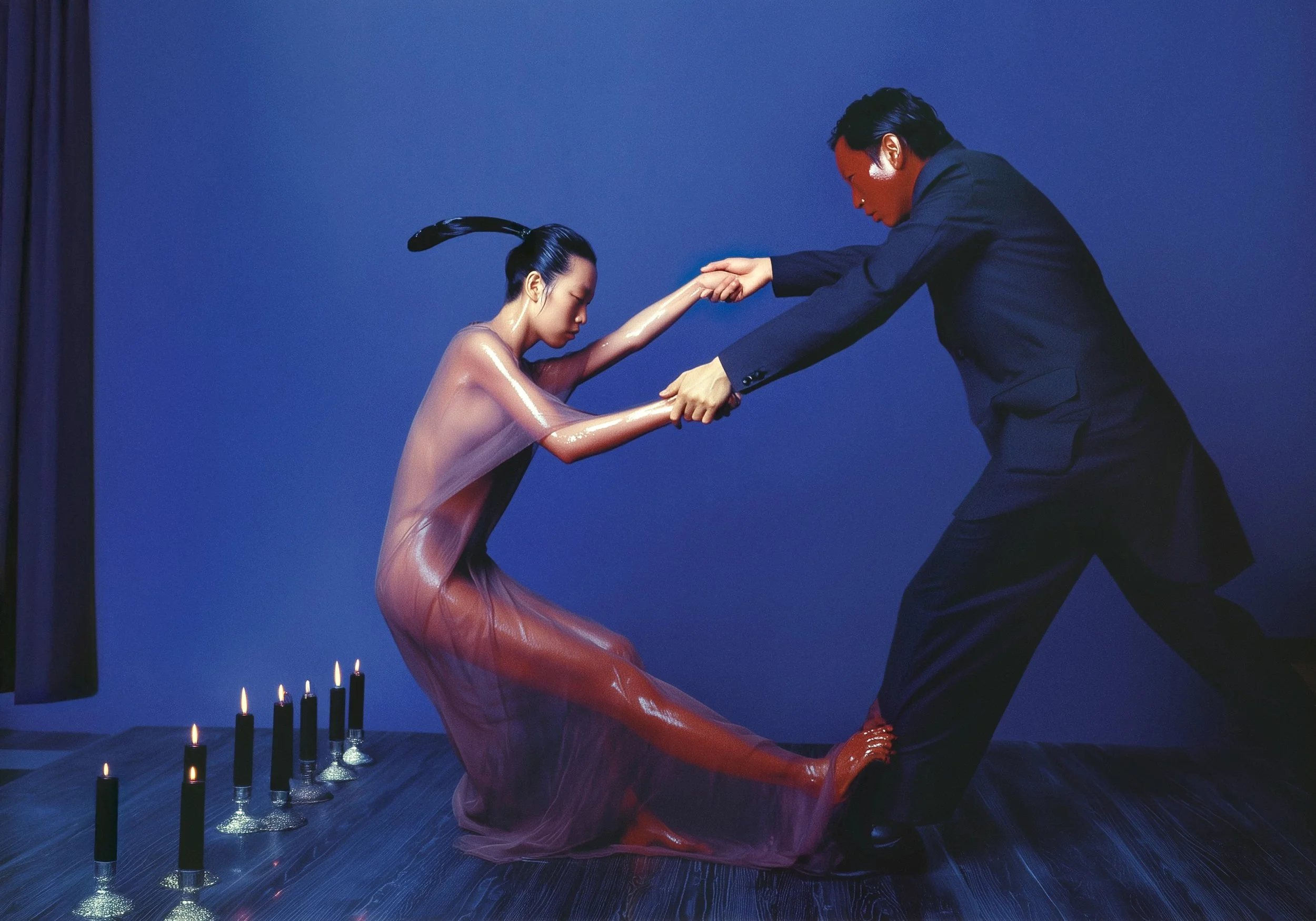
Friday, 6 March, 4:30pm
Would You Dare? A talk on AI as Artistic Tool
Crystin Moritz
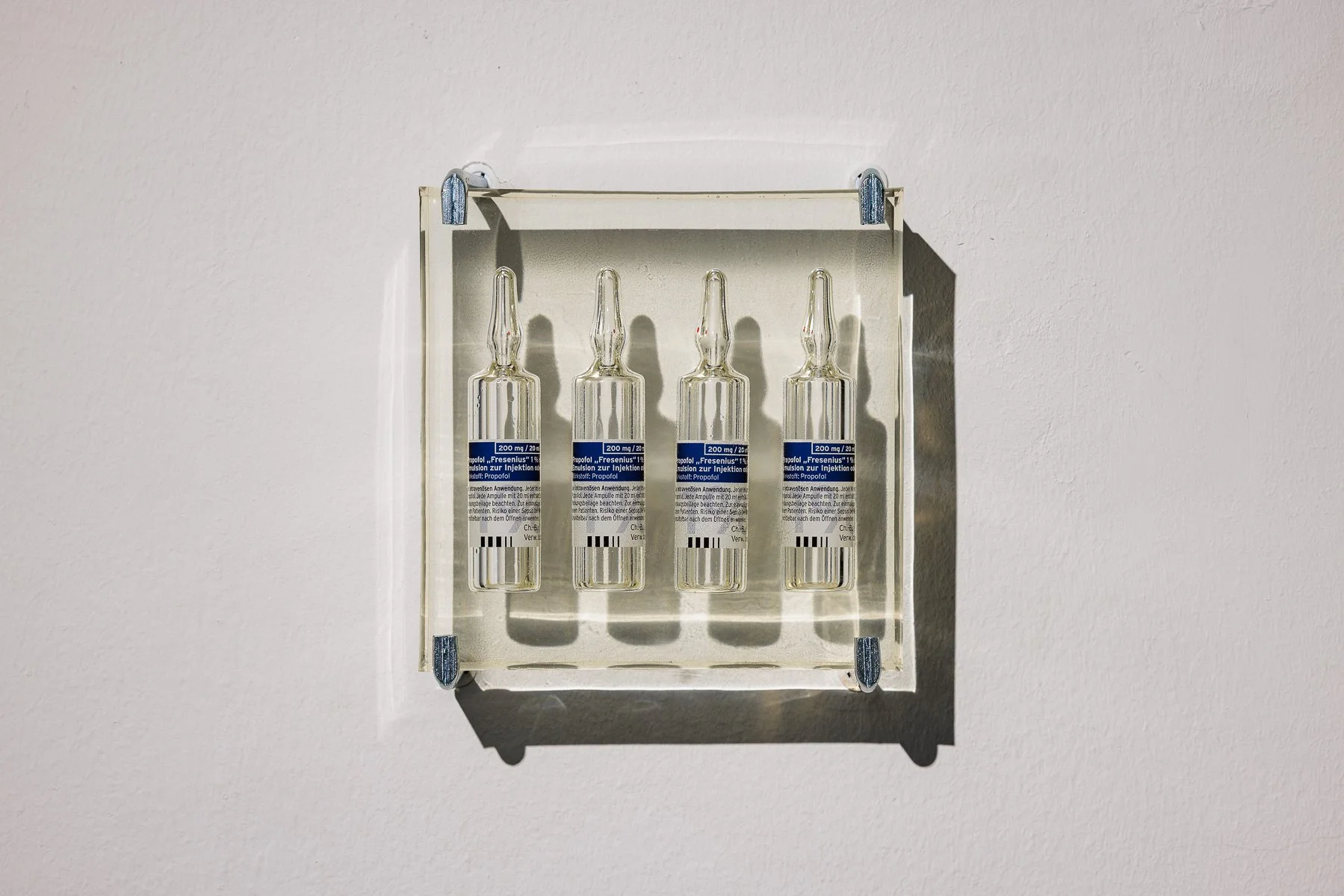
Friday, 13 March, 4:30pm
A Contemplation on Consciousness
Laura Stoll
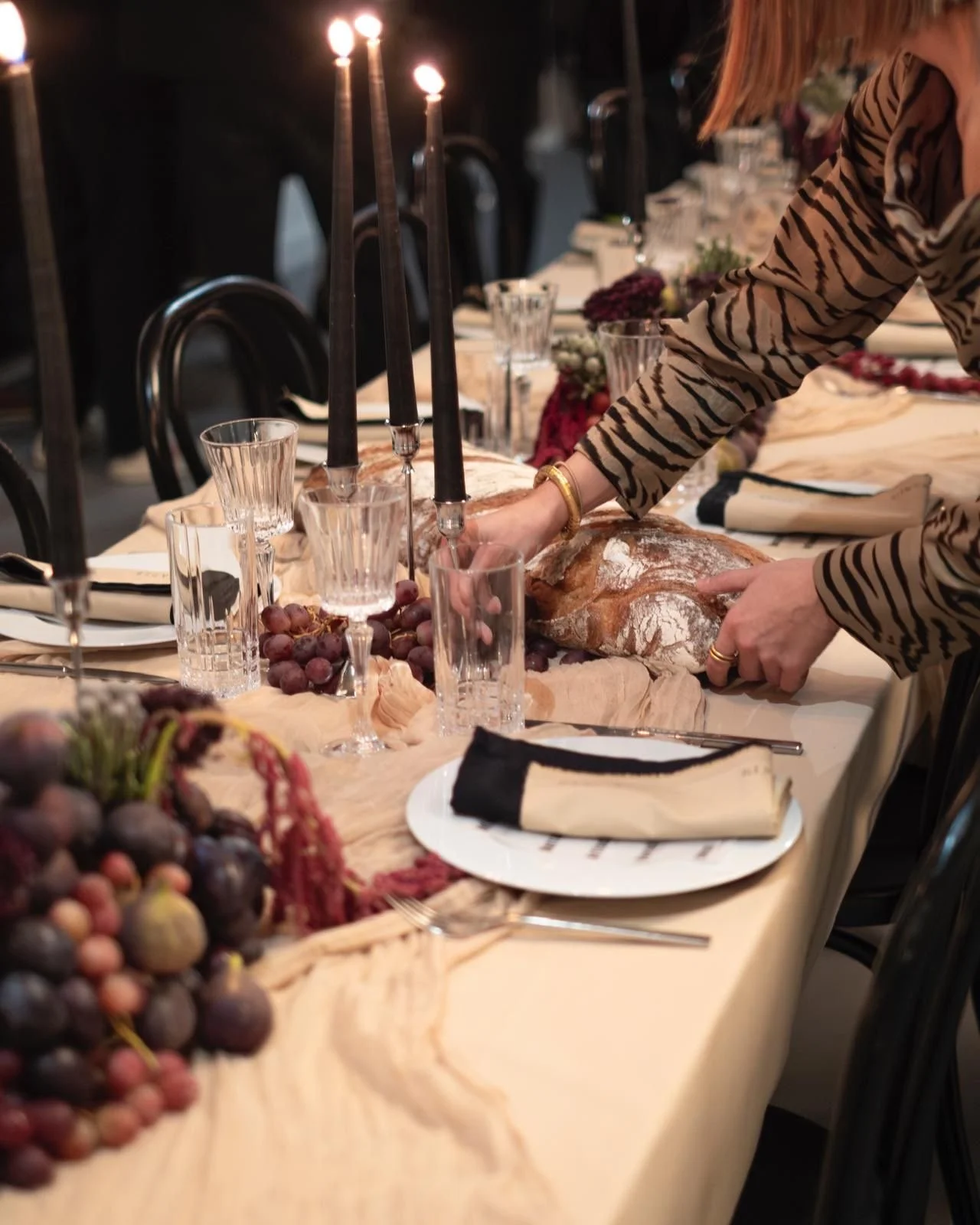
Friday, 20 March, 6:30pm
Artistic Dinner
EveningEditions & Wien zu Tisch
Friday, 27 March, 4:30pm
Between Sonic Structure and Olfactory Composition
Alexander Kasses (Néomirage)
Curated by Sara Alavi Kia.
Sara Alavi Kia is an art professional and independent curator with over 20 years of experience in the international art world, including more than nine years at Sotheby’s (Vienna, London, and Munich), where she worked with significant Asian and European collections. Based in Vienna, she has been active in the local art scene in various roles, curating exhibitions and interdisciplinary projects in collaboration with institutions such as MAK – Museum of Applied Arts Vienna, Künstlerhaus, and Porgy & Bess. Her curatorial practice focuses on contemporary art and performance, with a particular interest in participation, and the ways artistic formats can support dialogue, collective experience, and shared presence.
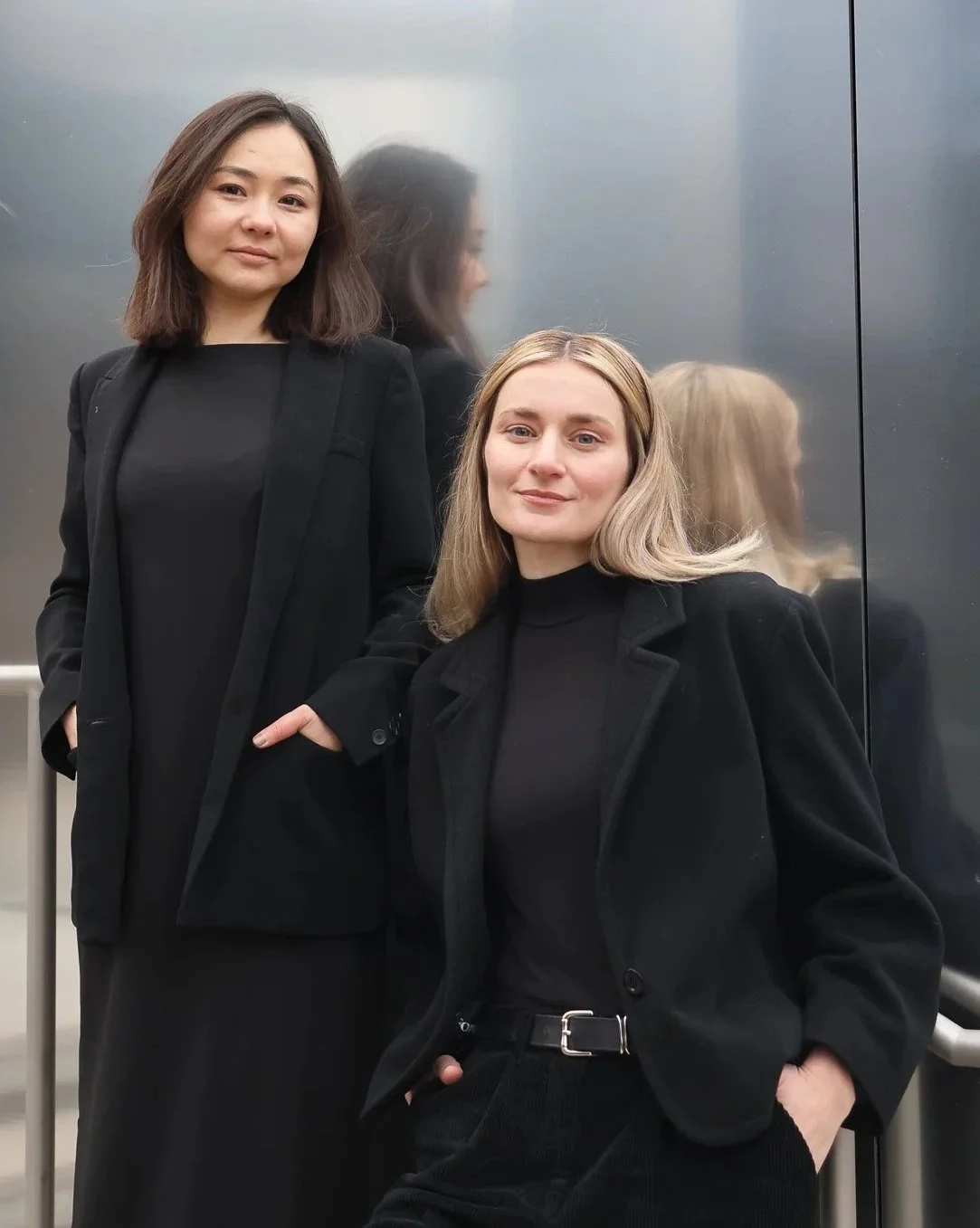
Zarina Belousova is an architect working at the intersection of space, material, and atmosphere. Educated at the University of Applied Arts Vienna under Kazuyo Sejima, she develops a sensitive and intuitive approach where form follows feeling and beauty becomes an argument. Her international experience with studios and institutions including Ricardo Bofill Taller de Arquitectura, Studio Olafur Eliasson, and IAAC Barcelona shaped a practice grounded in conceptual clarity, material research, and spatial experimentation, with a strong focus on how space influences perception, emotion, and the bodily experience.
Aknur Zhussip, originally from Kazakhstan, is a Vienna-based architect and founder of design studio nōur. Her work is informed by a nomadic cultural background rooted in a close relationship with nature and shaped through architectural studies at the University of Technology Vienna. She approaches spatial practice as inherently interdisciplinary, drawing from art, film, psychology, and neuroscience to explore how environments influence perception and emotional experience. Her projects investigate poetic and contemplative spatial conditions, often seeking to introduce qualities of calm, reflection, and natural presence into constructed environments. Her work has been presented internationally, including at the Seoul Biennale of Architecture and Urbanism.
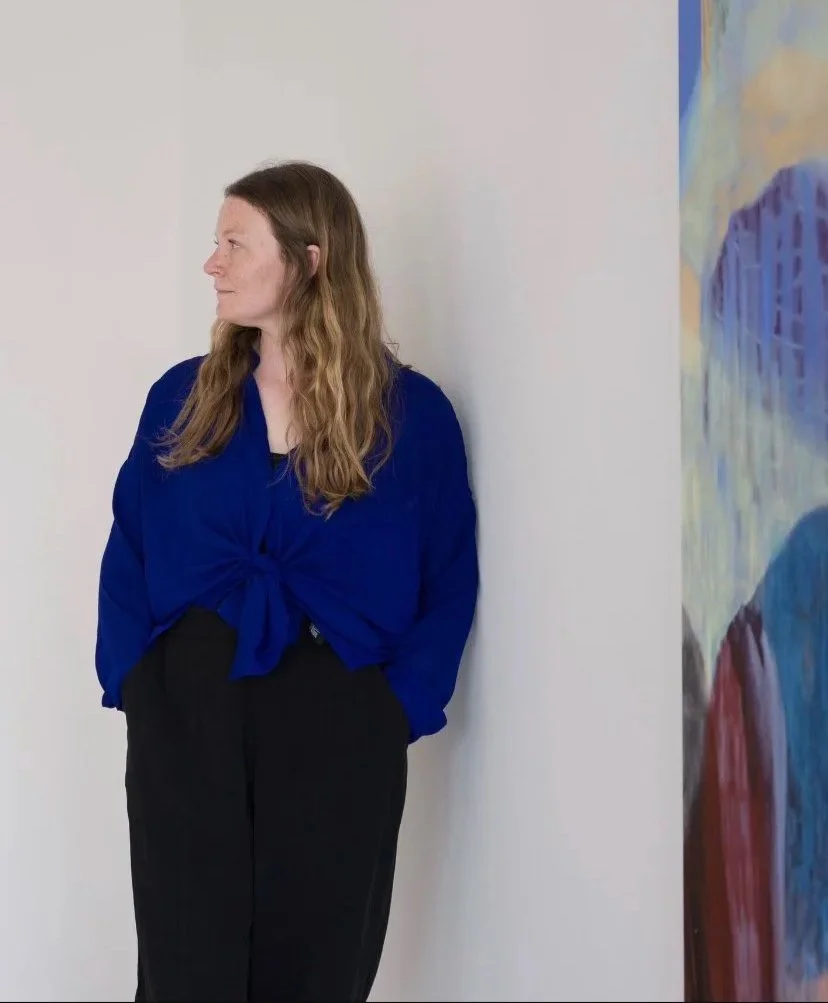
Rhiannon Inman-Simpson is a UK-based painter whose abstract work is deeply connected to the experience of nature rather than its representation. She studied at the Glasgow School of Art and the Bergen Academy of Art and Design, and completed the Turps Correspondence Course. Inman-Simpson’s work explores intuition, dream-like states, and the activation of inner worlds, where the mind rests while other forms of knowing emerge. She has exhibited widely across Europe, including solo shows at Pulpo Gallery, Murnau am Staffelsee, and Taymour Grahne, London.
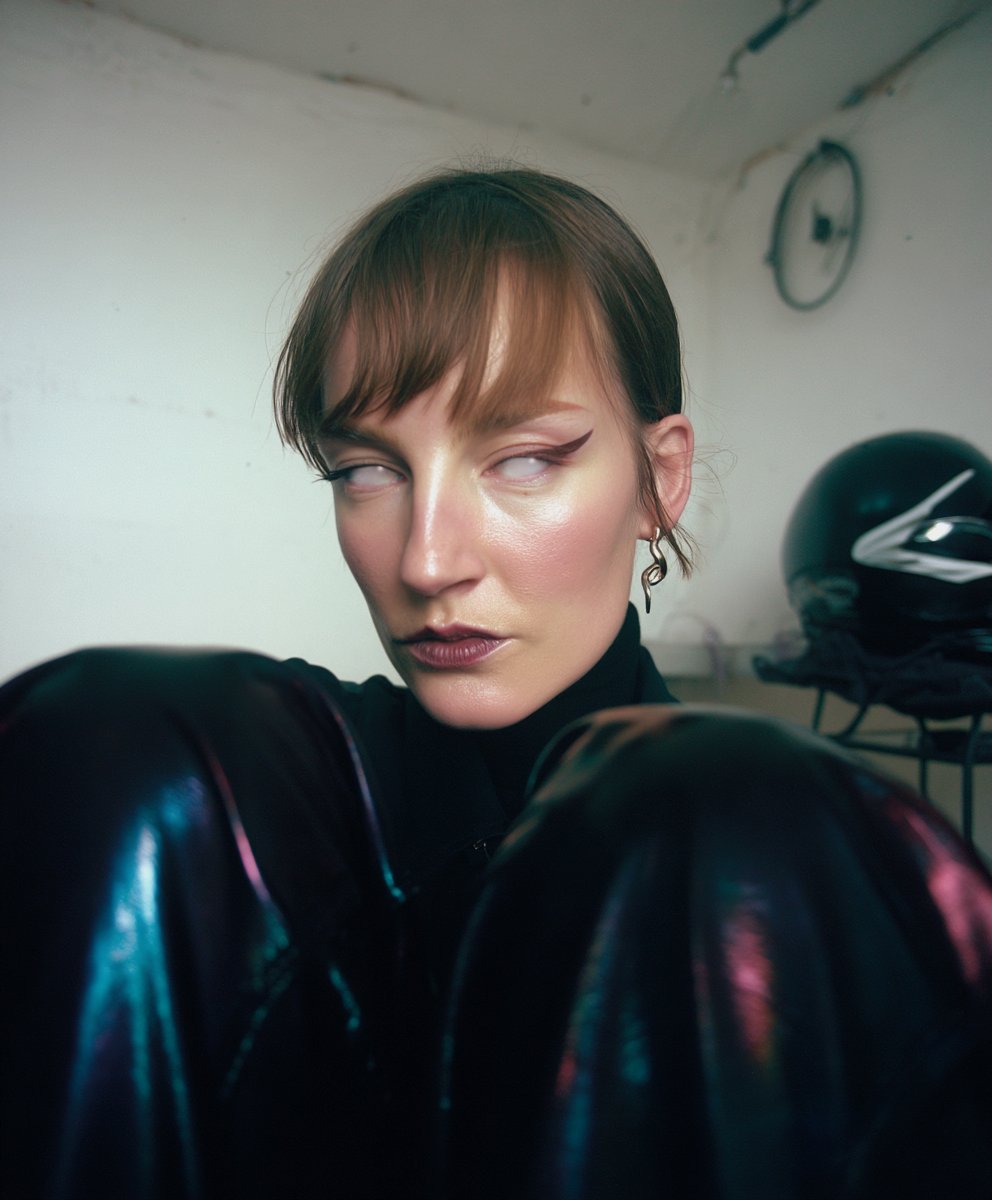
Crystin Moritz is a Vienna-based visual artist working with photography, video, and artificial intelligence. After studying photography in Berlin, she assisted Axel Hoedt and Laetitia Negre in London and developed a practice initially rooted in fashion photography. Her work has since expanded into AI-generated and hybrid image-making, where analogue aesthetics meet digital processes. Through exhibitions and collaborations in Austria and internationally, Moritz explores questions of identity, perception, and visual authorship, creating unsettling and speculative image worlds that challenge established photographic conventions.
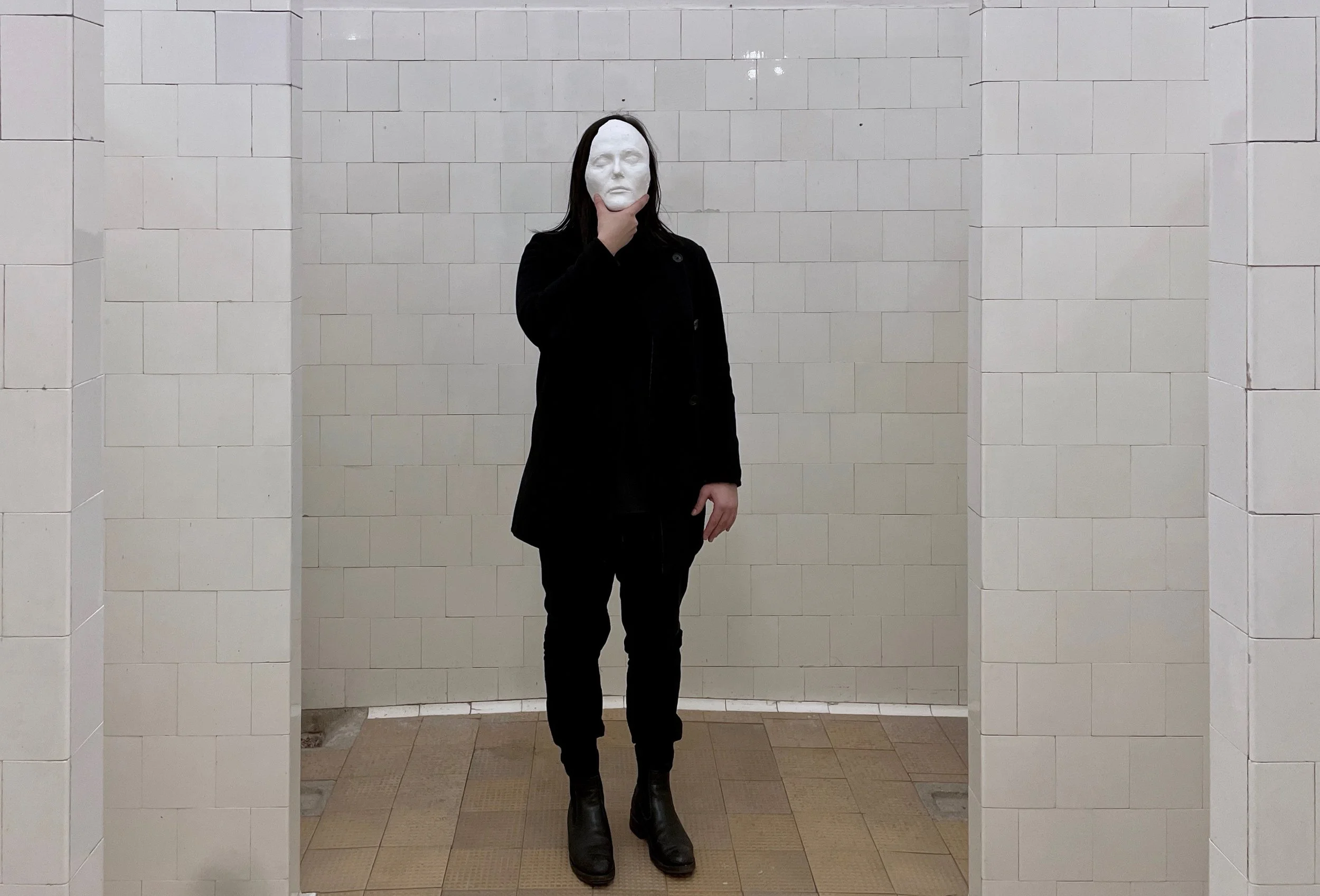
Laura Stoll is an artist and anesthesiologist whose work spans sculpture, installation, and performance. She holds a medical degree from Charité Berlin and a Master’s in Art & Science from the University of Applied Arts Vienna. Stoll’s practice operates at the intersection of medicine, psychology, and philosophy, exploring epistemological and metaphysical questions through a variety of media. Her work investigates consciousness, perception, and the embodied experience of time, often using material and conceptual strategies drawn from both scientific and artistic methodologies.
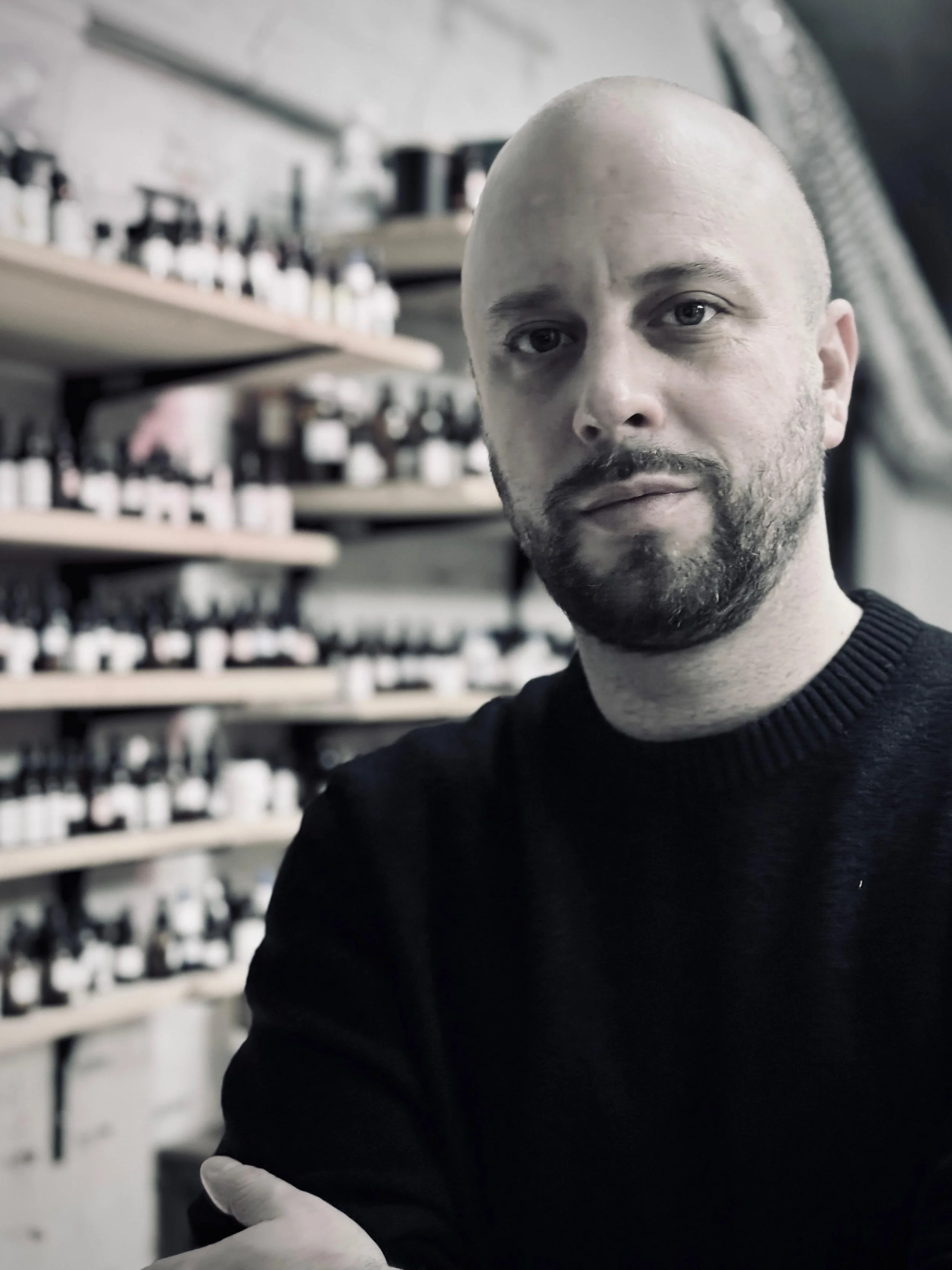
Alexander Kasses is a multimedia artist based in Vienna working across film, music, and perfumery. He studied electroacoustic composition at the University of Music and Performing Arts Vienna and transmedia art at the University of Applied Arts Vienna. Since 2024, his artistic practice has expanded to include olfactory work, treating fragrance as a time-based and embodied medium. He is the founder of the Vienna-based fragrance house NÉOMIRAGE, dedicated to niche artisanal fragrance composition and the fusion of music and perfumery.
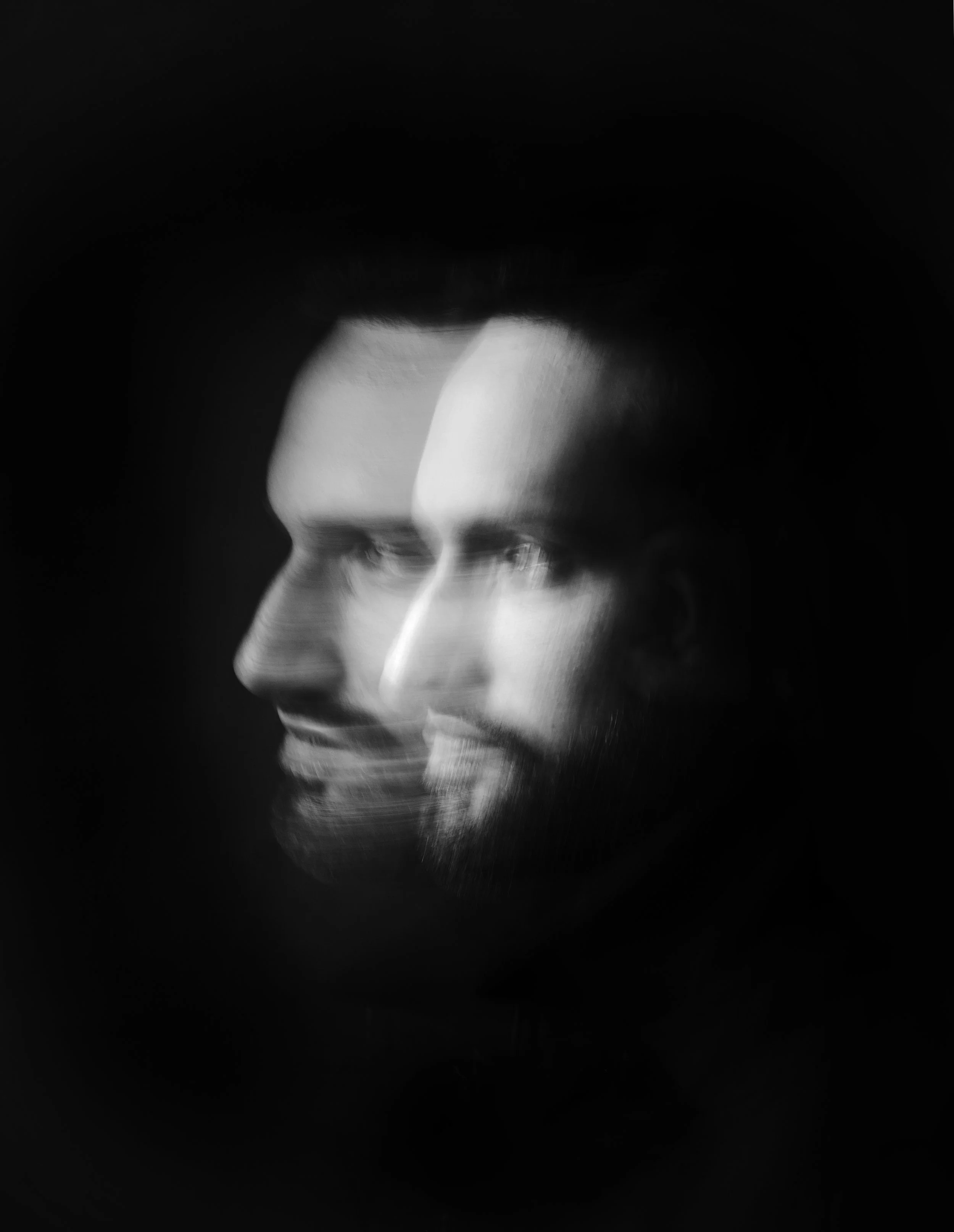
MOTSA (Valerio Dittrich) is a producer and sound artist whose work is rooted in electronic music, sound design, and narrative composition. Influenced early on by jungle and drum & bass culture, as well as classical piano training, he developed a distinctive sound combining breakbeat structures with organic and soulful elements. His debut releases received international attention, including collaborations with Southern Fried Records and widespread radio support. MOTSA’s practice extends beyond music into audiovisual storytelling, incorporating environmental recordings and moving image to create immersive sonic environments.
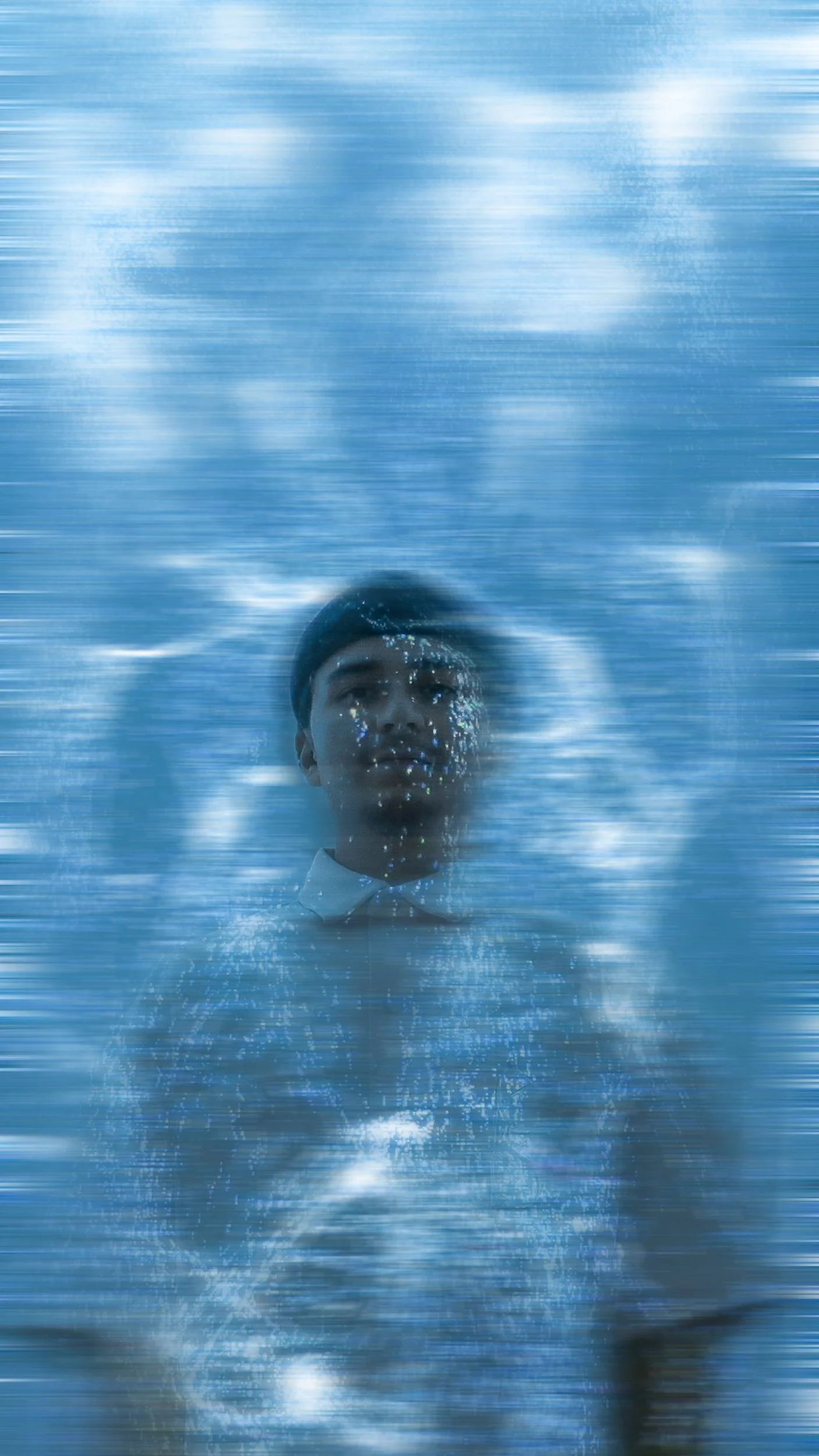
Steven Mark Kübler is a German new media artist and interaction designer with a background in architecture, which informs his strong spatial awareness. His practice focuses primarily on light as a material, exploring how digital and generative lighting systems can transform the perception and atmosphere of physical environments. Working across interactive installations and real-time visuals, Kübler draws inspiration from natural phenomena such as fluid dynamics, gravity, and landscapes, translating these forces into time-based compositions that blur the boundaries between digital and physical space.
Photography: Mag. Manuel Carreon Lopez, Kunst-Dokumentation.com.
Warm thanks to Yumeko for providing the Velours bathrobes.