A Winter Journey to Kizil
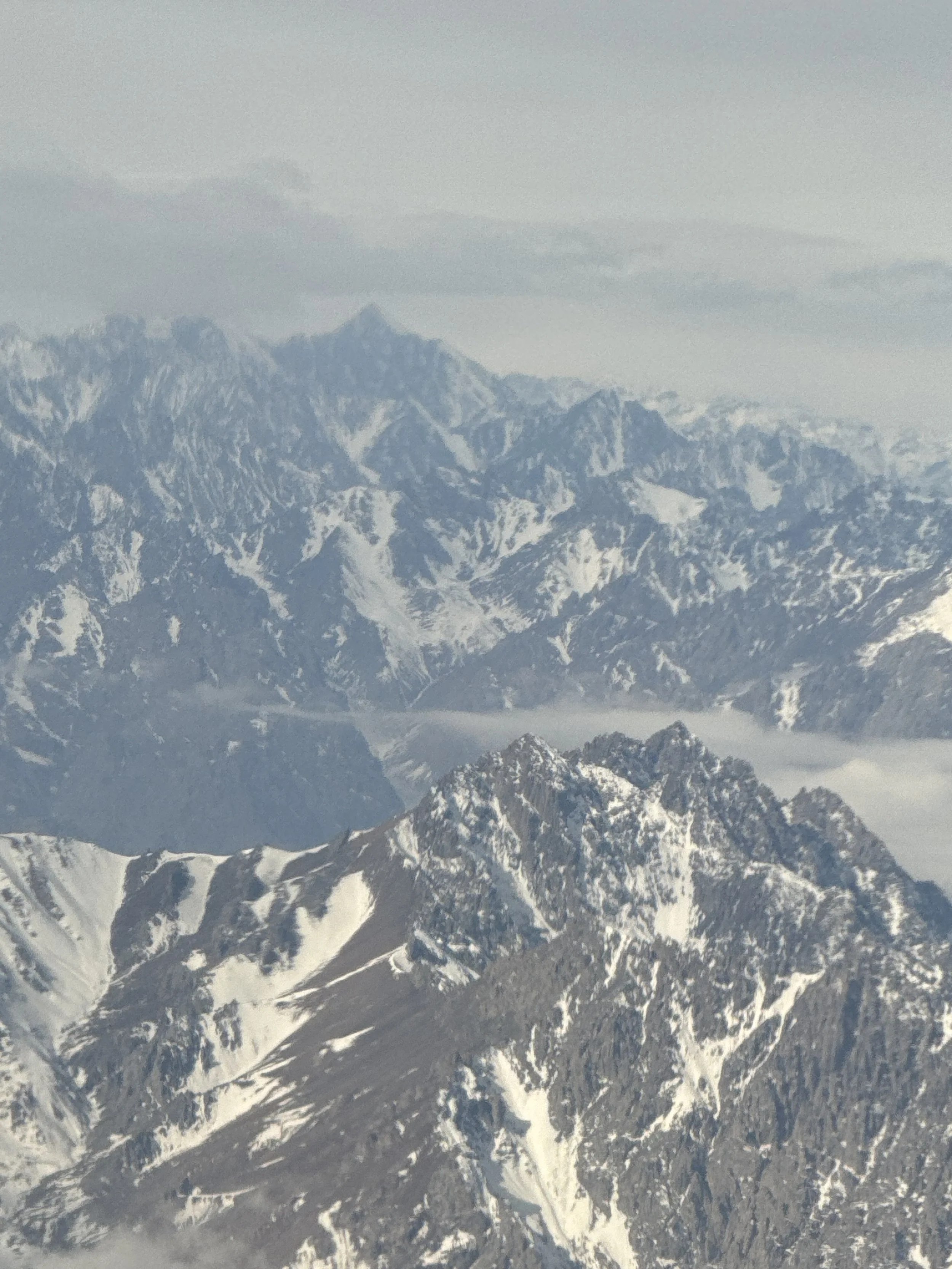
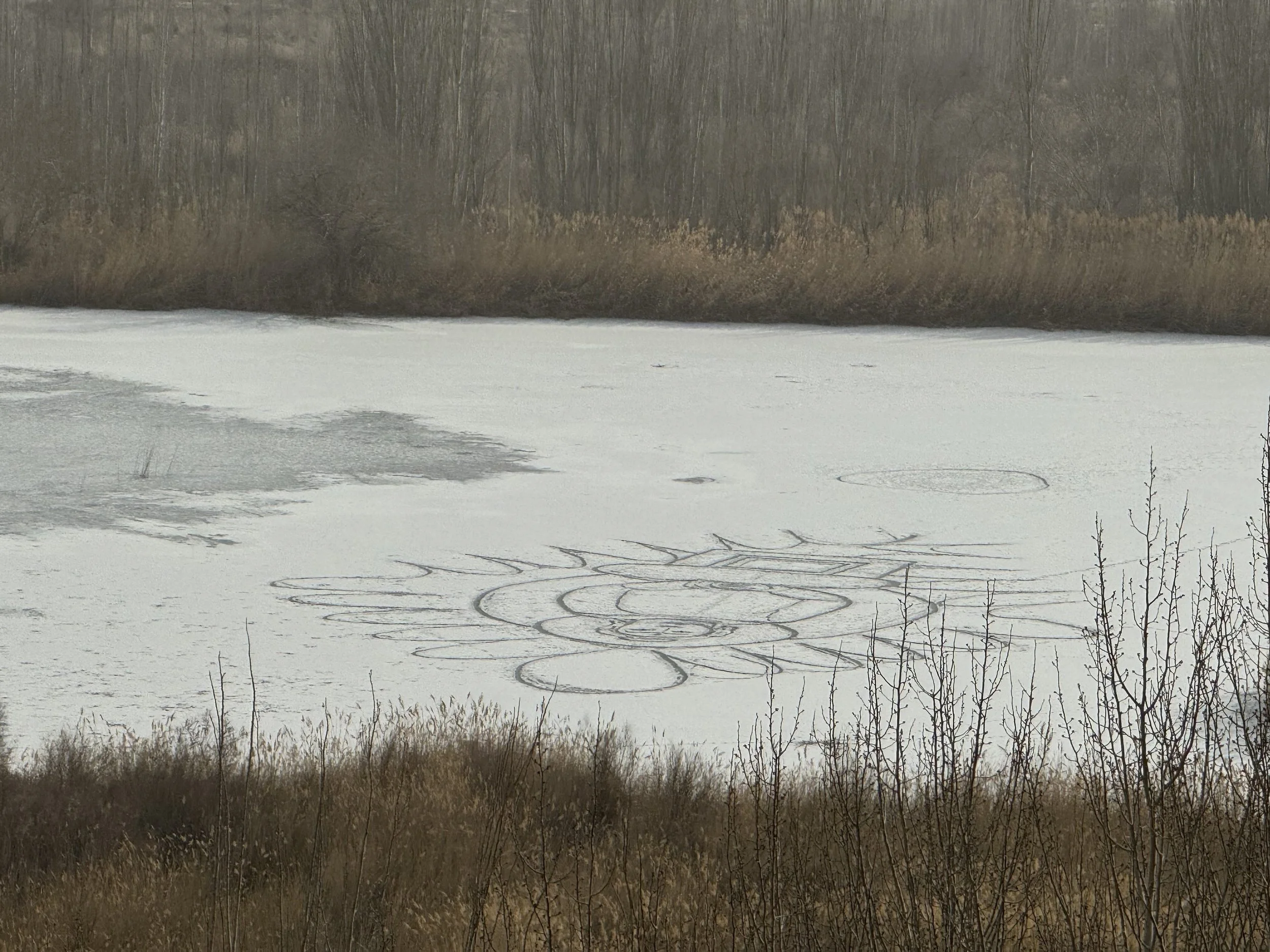
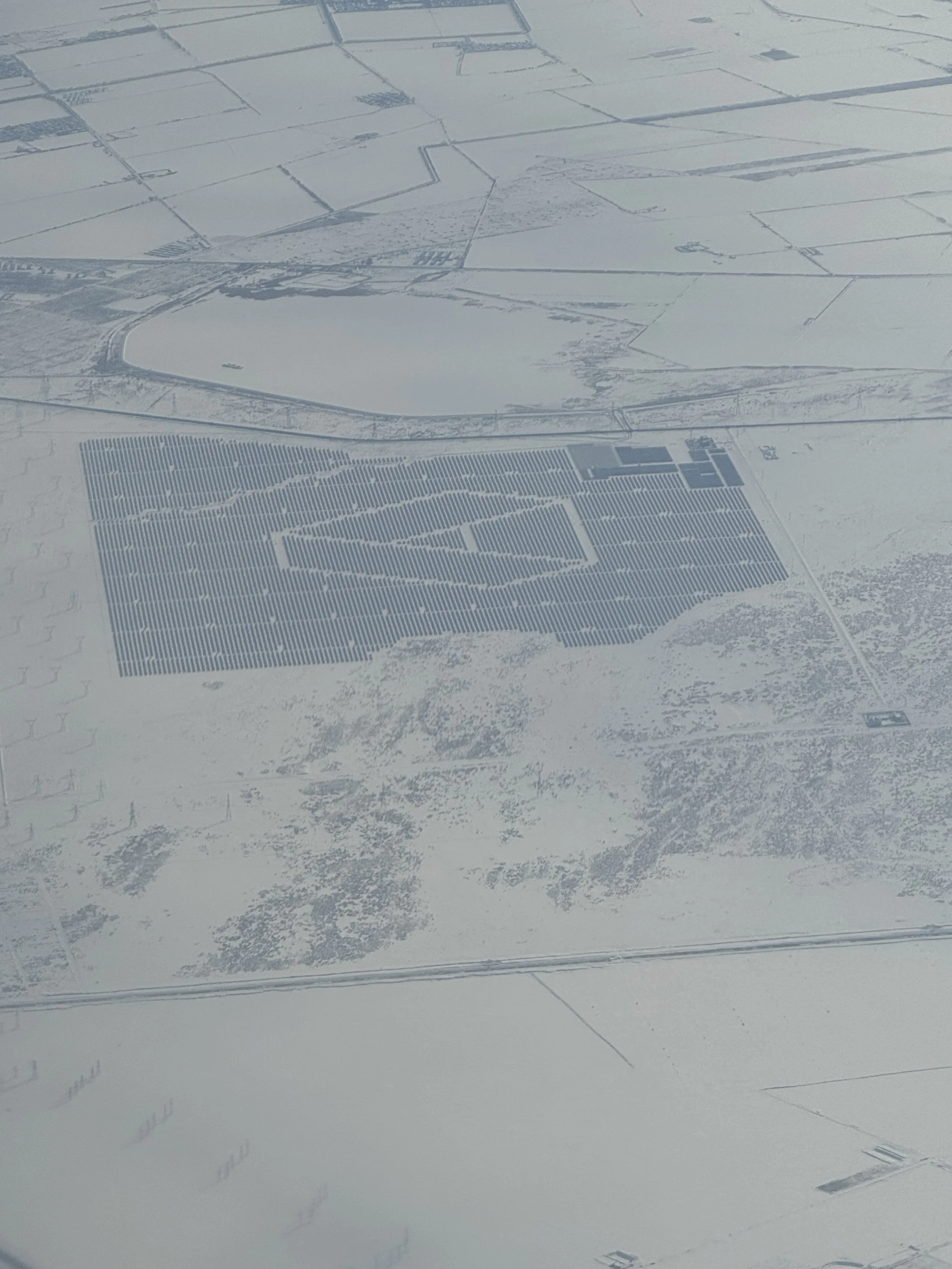
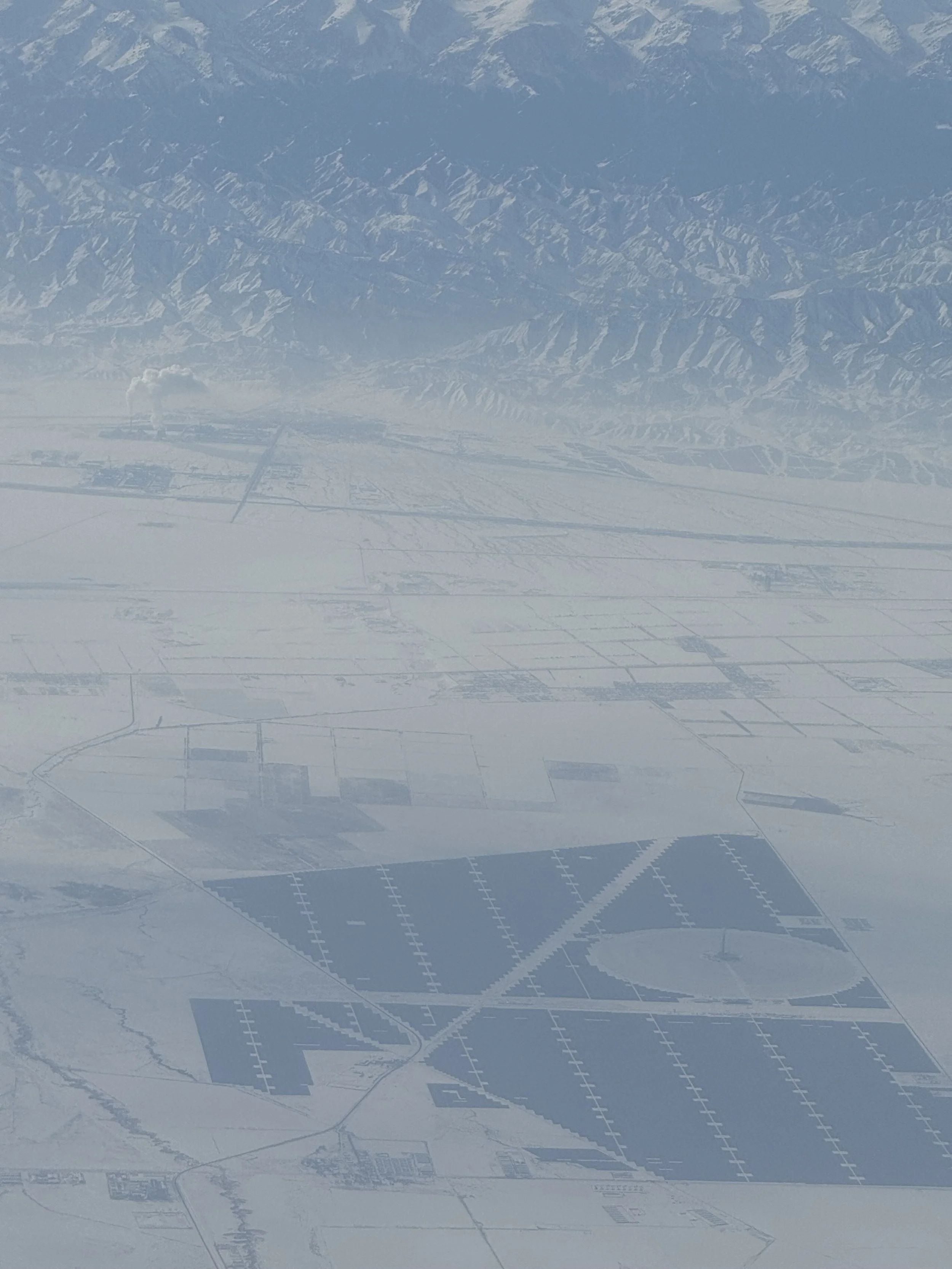
Bai Mengfan is starting her residency in Kucha, home to some of the oldest Buddhist murals in China, in preparation for her 2027 exhibition at BEK. Below are some photos of the winter landscape and the artist’s note from the field.
克孜尔冬日行(2.7-2.13.2026)
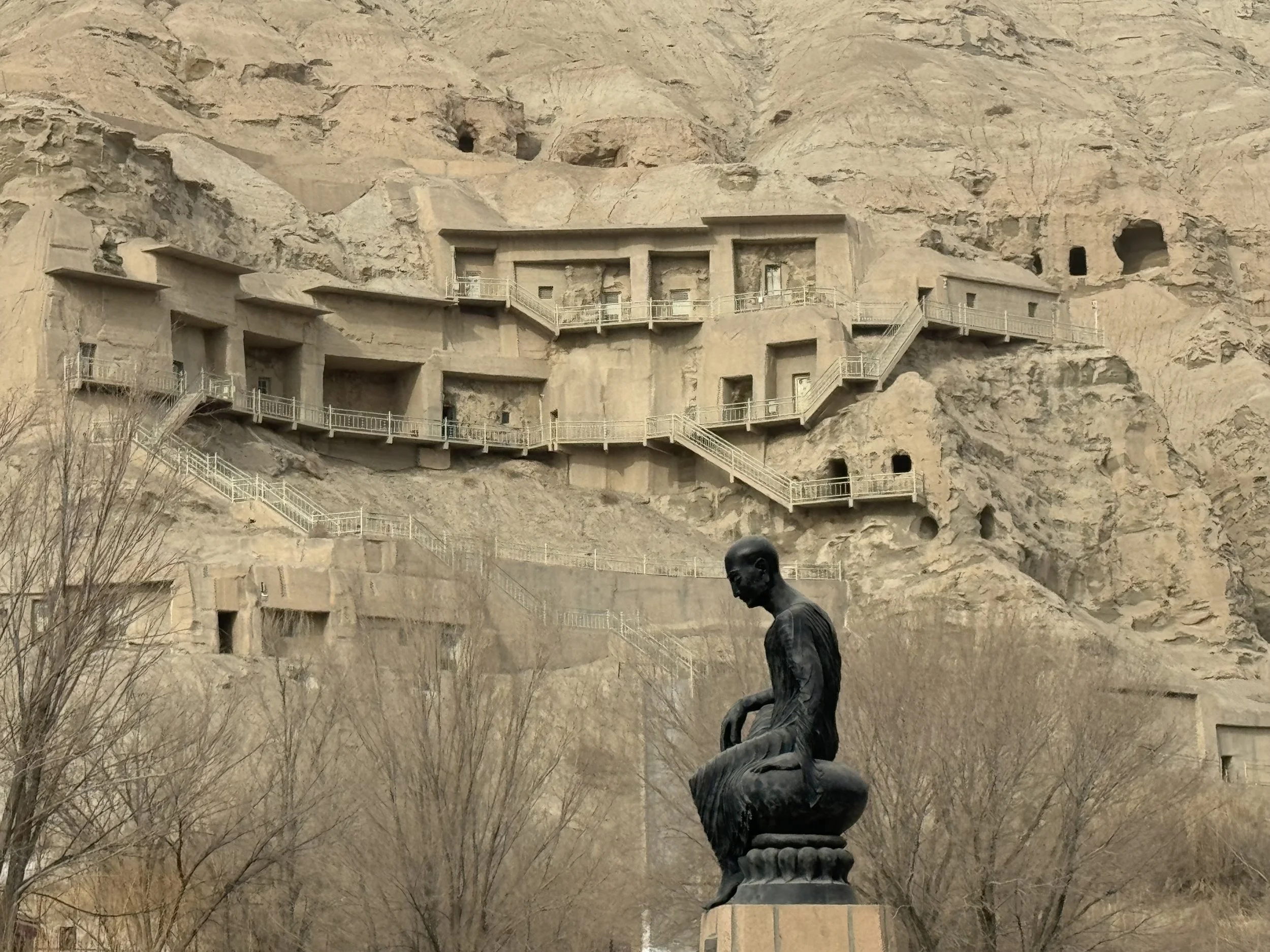
2026年伊始,我由西安飞往库车,三个半小时落地。《汉书•西域传》中记载:“龟兹,王治延城,去长安七千四百八十里”。一千八百年后,从长安出发抵达龟兹不过半日。
真正的抵达是行走于峡谷之中。
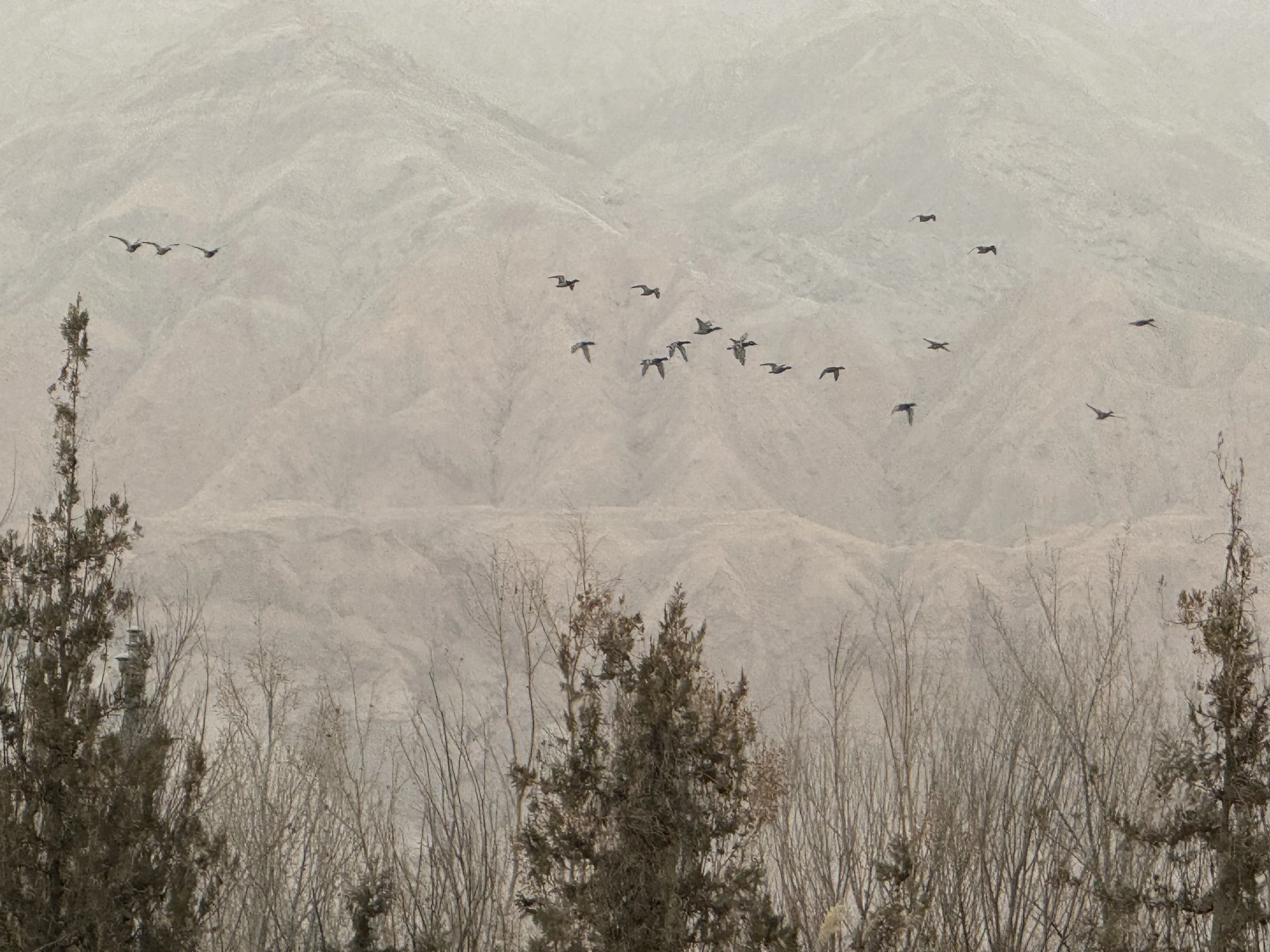
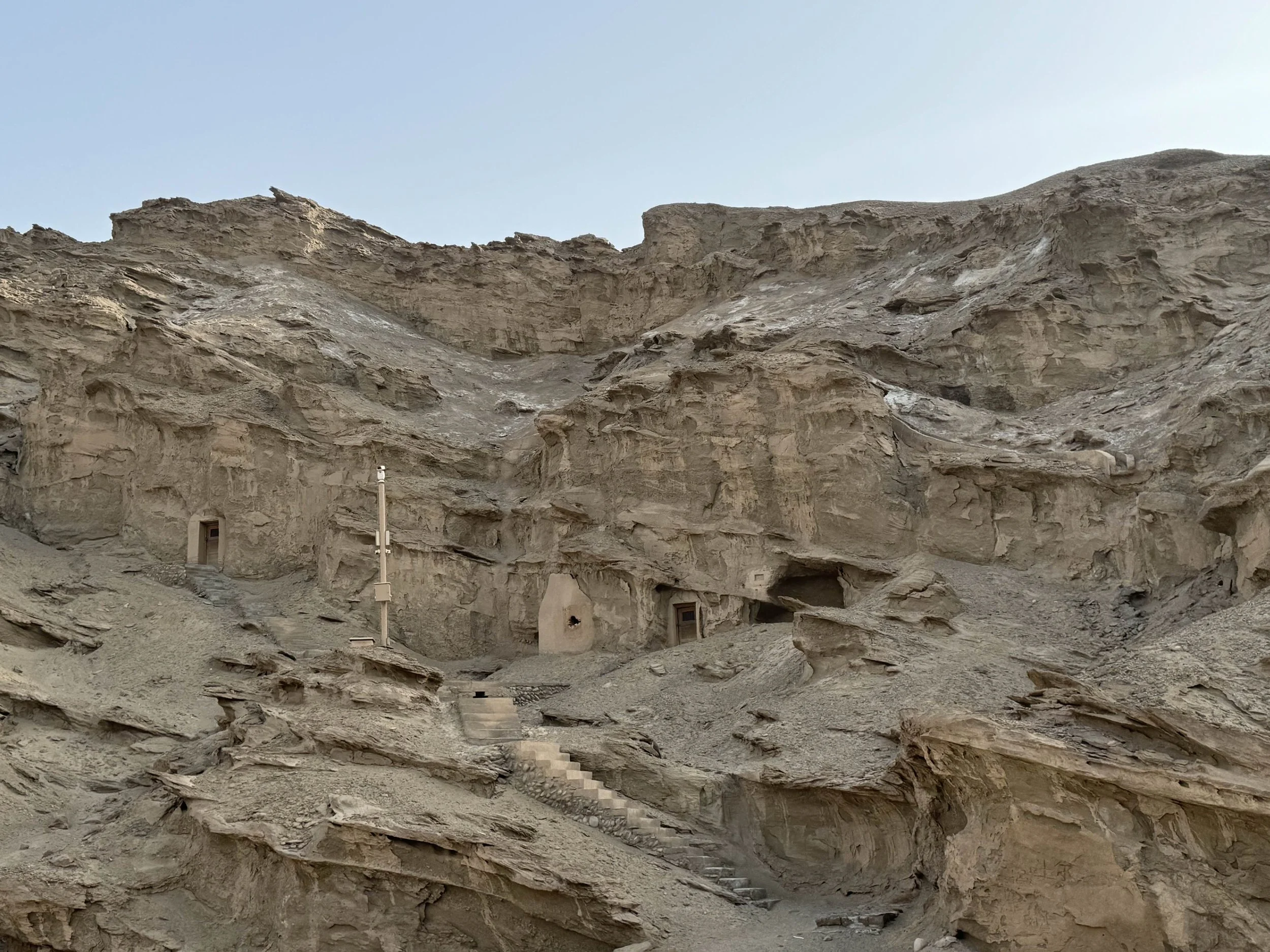
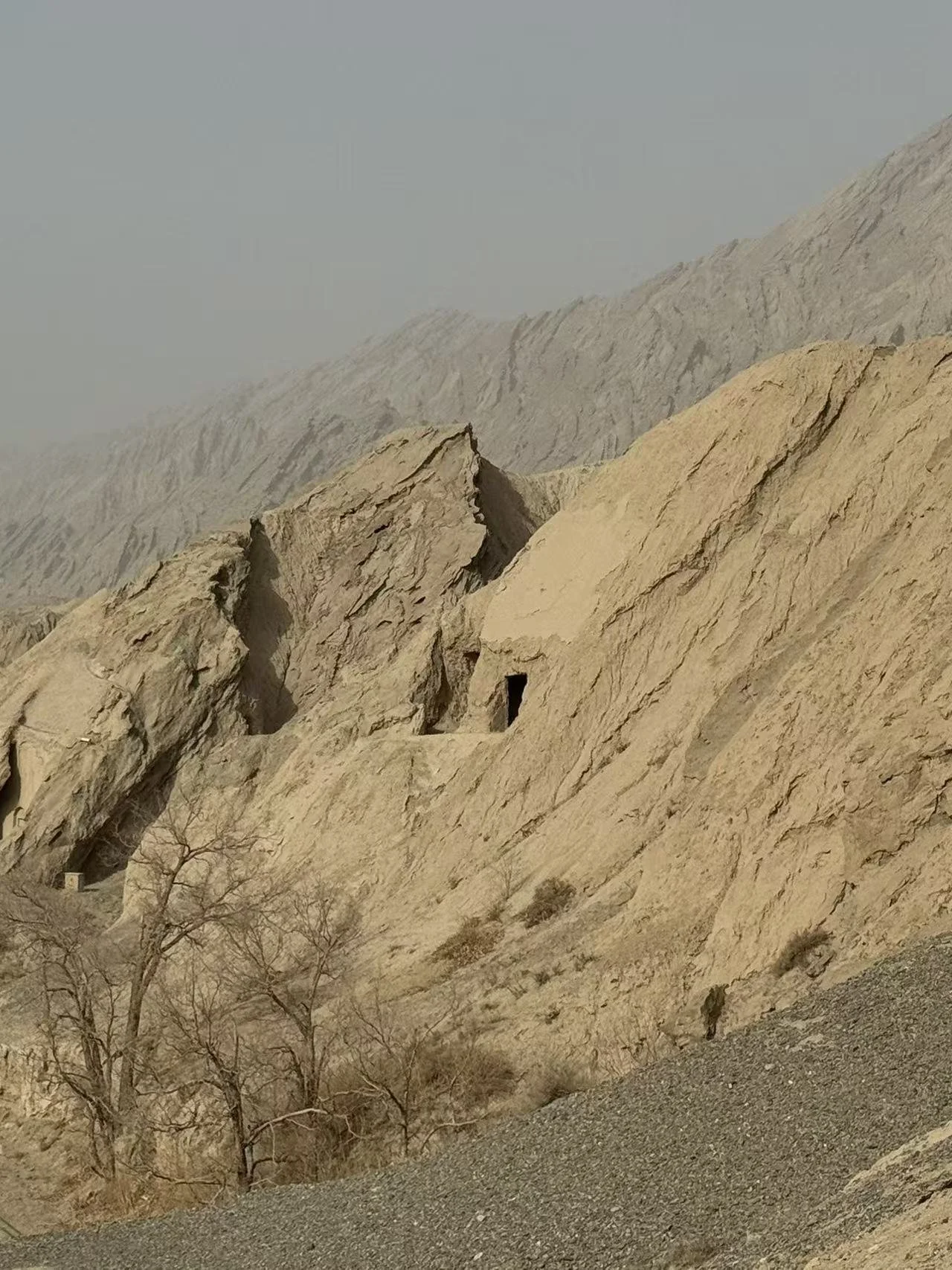
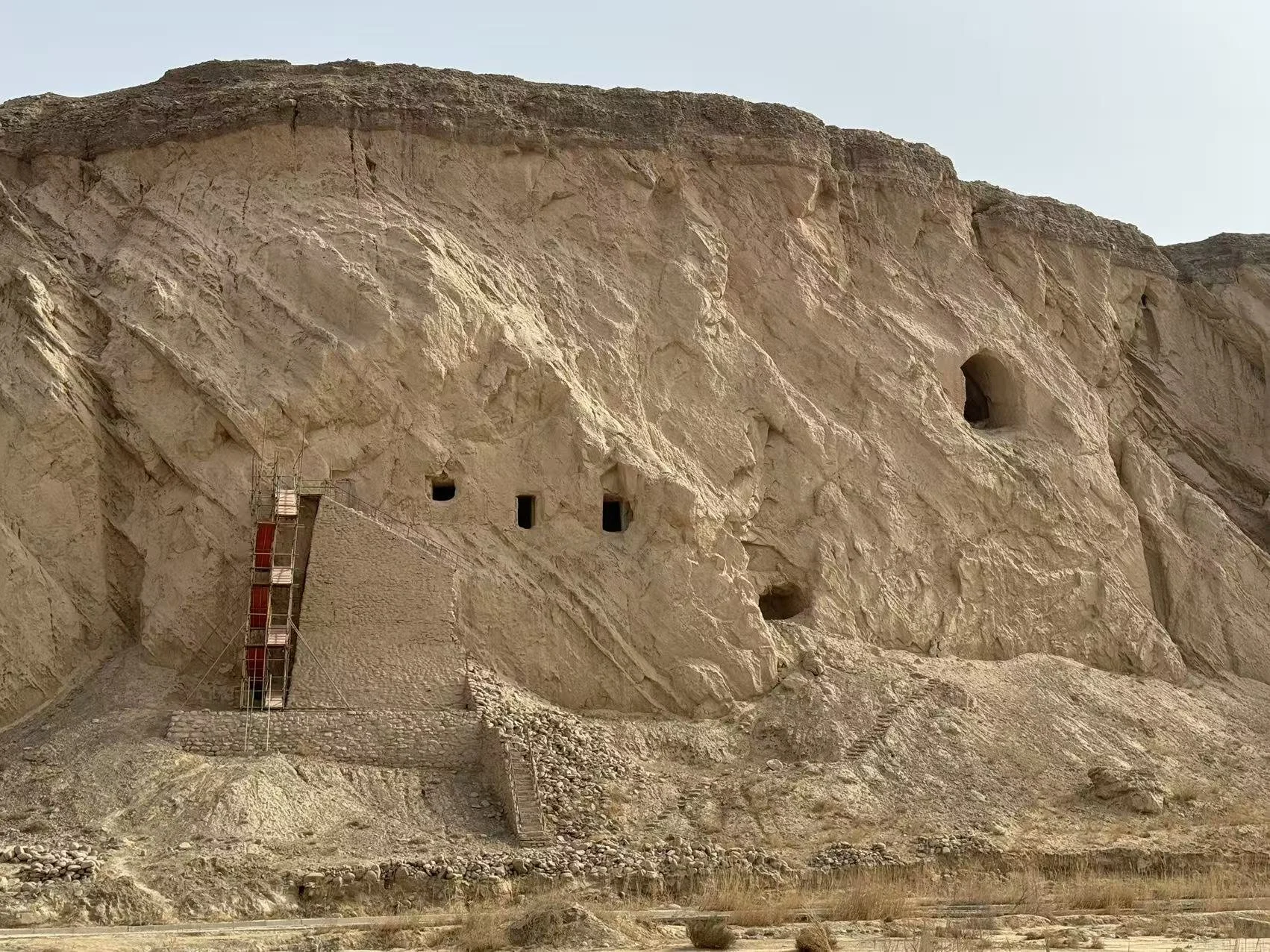
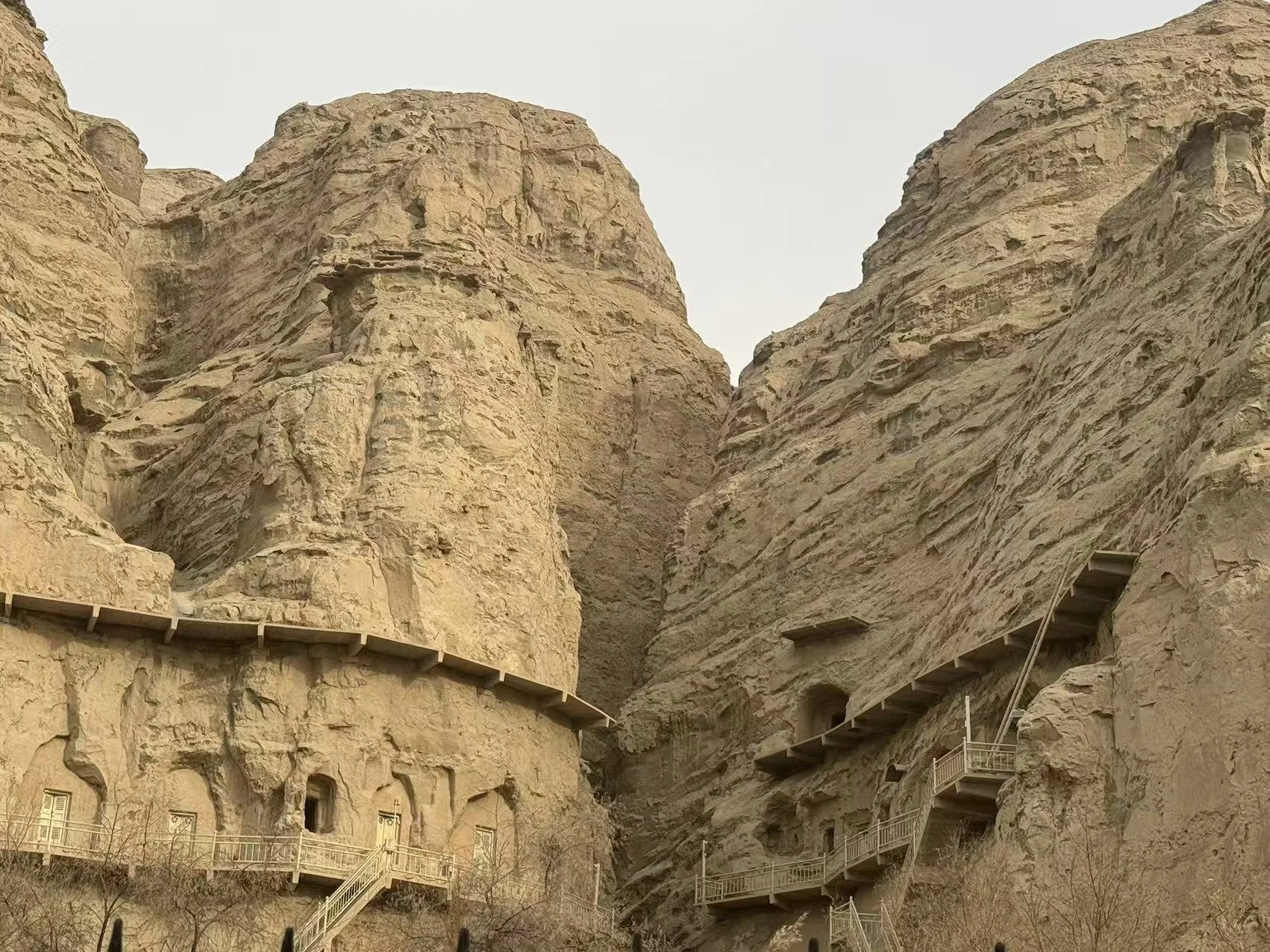
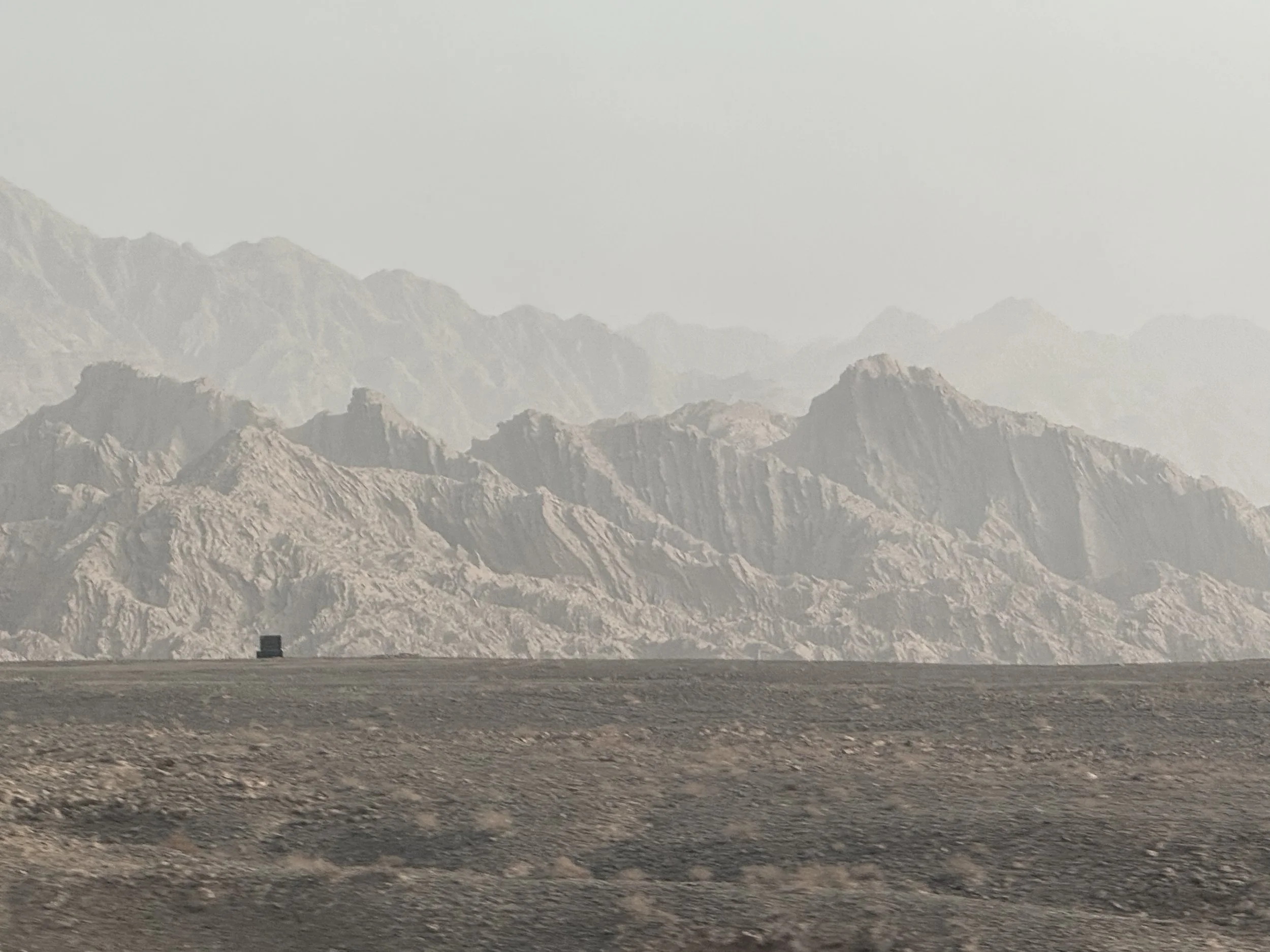
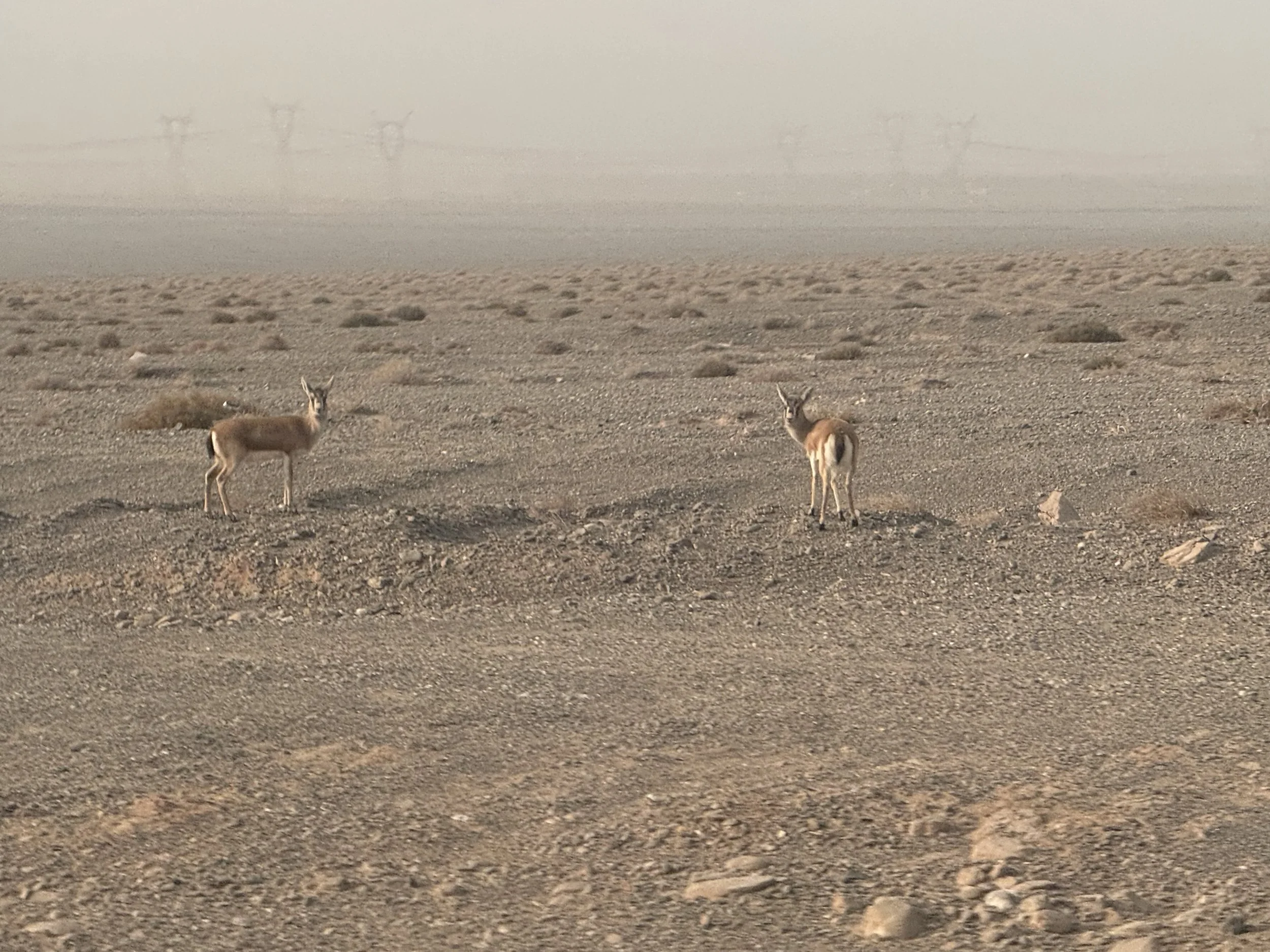
明屋塔格、却勒塔格、渭干河…站在干涸的河床中,看到高低错落的群山和石窟依次在眼前排开时,才明白读多少资料都是徒劳——纸上的龟兹总归不够立体。
钻入洞窟,屏幕前单薄的图像终化作错落有致的墙面和本生环绕的券顶。
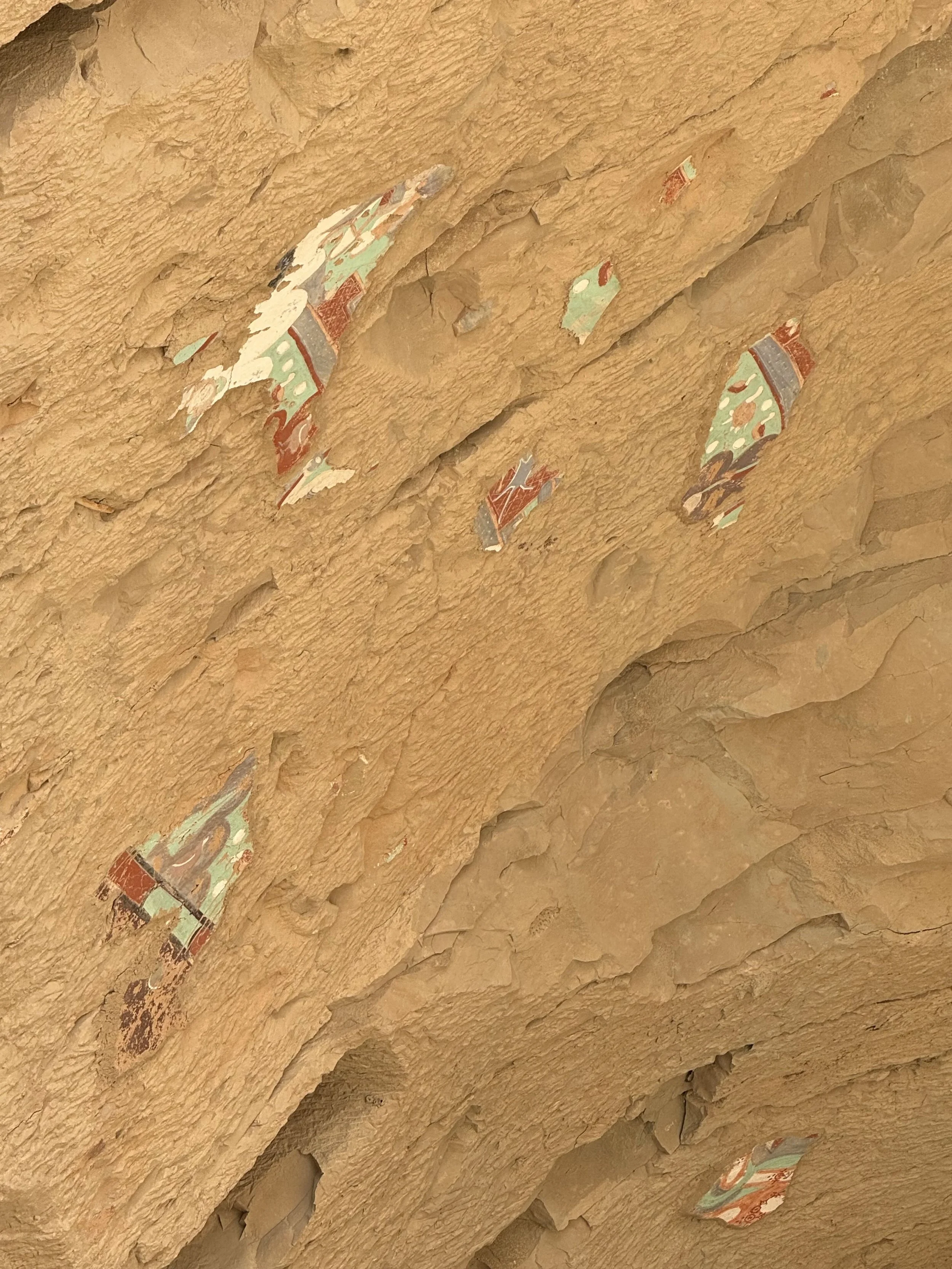
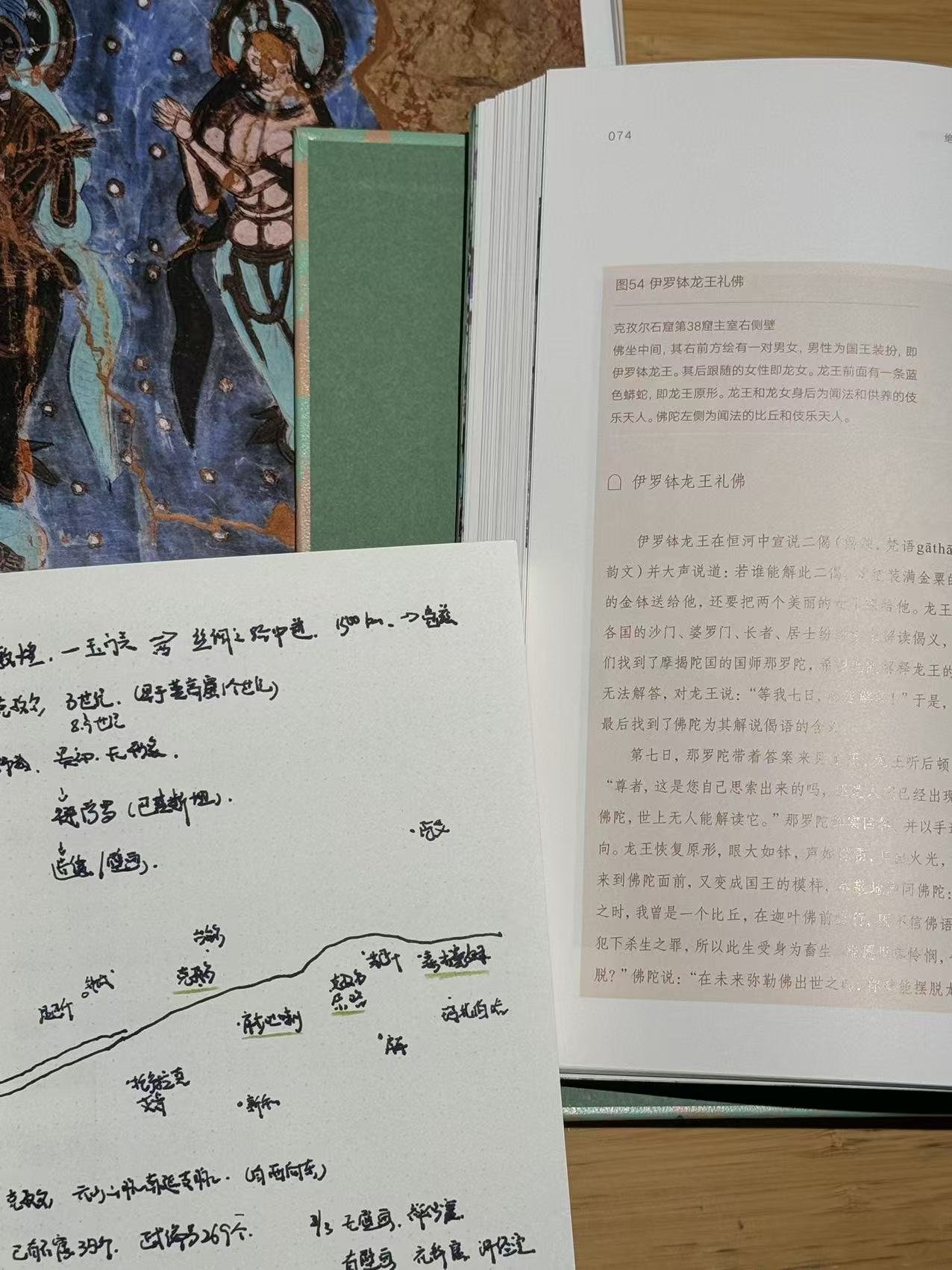
手电扫过甬道,“八王分舍利”的战马迎面奔来,铠甲分明;鹦鹉濡翅救火,猴子骑鹿回望。《天象图》中,日天、风神、金翅鸟依次成列,月中兔独栖光轮流转。而侧壁上地狱镬汤里众生焦灼。
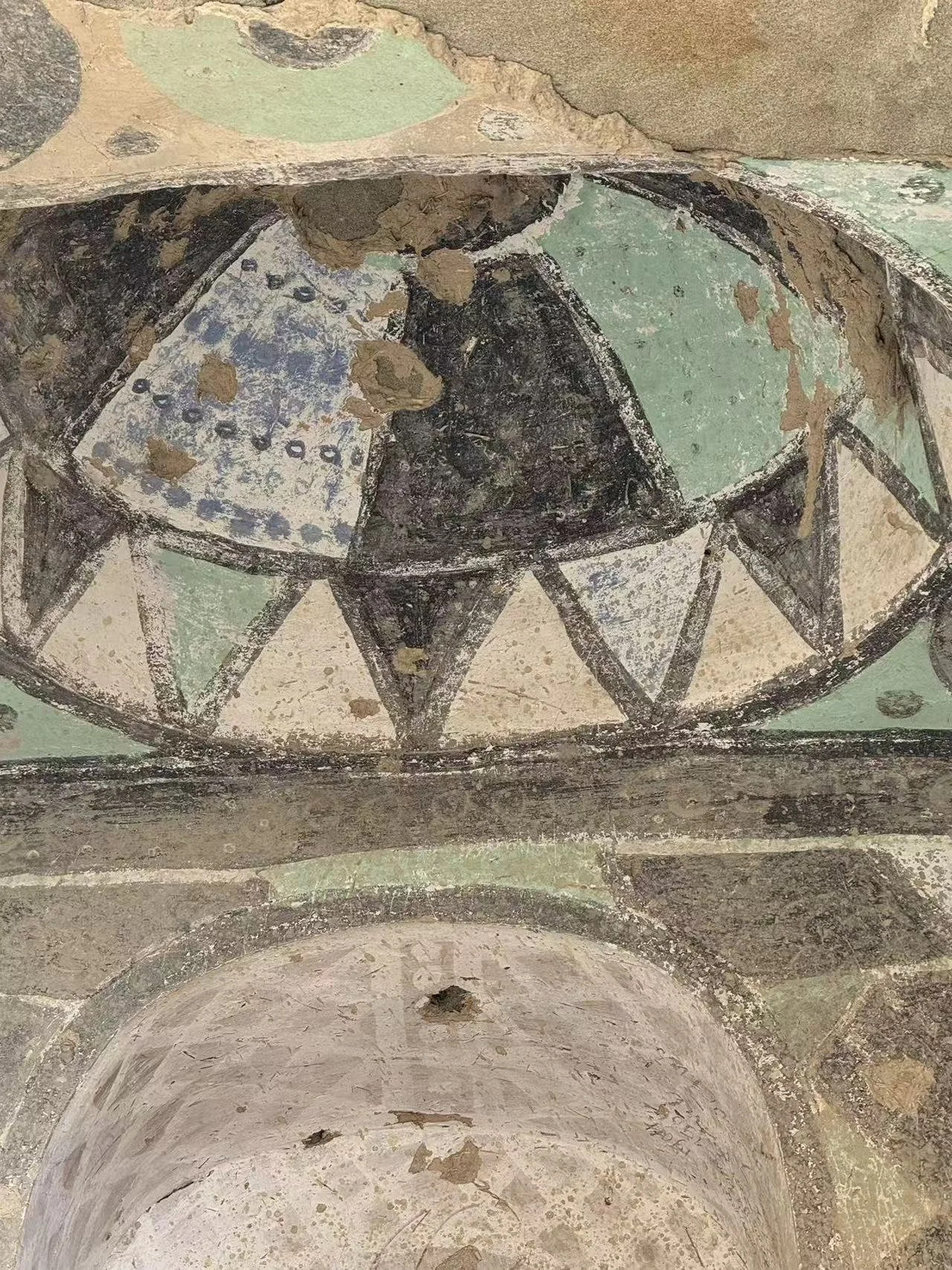
赭红依旧浓烈,青金蓝幽亮,石绿色沉静,蓝绿交叠,画师的每一笔都在供养远山。
漫天菱格纹中,须弥山外依旧是须弥山——这几日攀过的每座窟都是一重山。山和山之间隔着几世纪的风,而我有幸在这个冬日与克孜尔一同呼吸过。
At the beginning of 2026, I flew from Xi’an to Kucha. Three and a half hours later, I landed. The Book of Han, in its “Account of the Western Regions,” records: “Qiuci: the king’s seat was at Yancheng; it lay 7,480 li from Chang’an.” Nearly two thousand years later, the journey from Chang’an to Qiuci/Kucha takes no more than half a day.
Yet true arrival begins only when one walks into the canyons.
Ming’utagh, Qoltagh, the Weigan River… Standing in a dried riverbed, watching the mountains and grottoes rise and recede before me in staggered succession, I understood that no amount of reading could suffice. Qiuci on the page is, after all, never fully three-dimensional.
Entering the caves, the thin images I had once seen on screens finally became articulated walls and barrel-vaulted ceilings encircled by scenes from the Buddha’s previous lives — the jātakas.
As my flashlight swept across the corridor, the warhorses from the scene of the Distribution of the Buddha’s Relics among the Eight Kings seemed to charge forward, their armor sharply delineated. A parrot dampened its wings to fight a fire; a monkey, mounted on a deer, turned back to look. In the celestial diagram, the Sun God, the Wind Deity, and Garuḍa appeared in ordered sequence, while the lunar hare sat alone within the turning wheel of light. On the side wall, beings suffered in the boiling cauldrons of hell.
The ochre red remains intense; the lapis-lazuli blue glows darkly; the mineral green is quiet and composed. Blue and green overlap, and every stroke of the painter’s brush becomes an act of devotion to the distant mountains.
Amid the boundless diamond-grid patterns, beyond Mount Sumeru there is still another Mount Sumeru. Each cave I climbed to over these days was another mountain in itself. Between one mountain and the next lay centuries of wind, and I was fortunate, on this winter day, to have shared breath with Kizil.
images: Bai Mengfan.