
The Morning Desk
Essays, conversations and field notes from the bureau — on the artists, exhibitions and ideas we keep returning to.
Opening the desk…
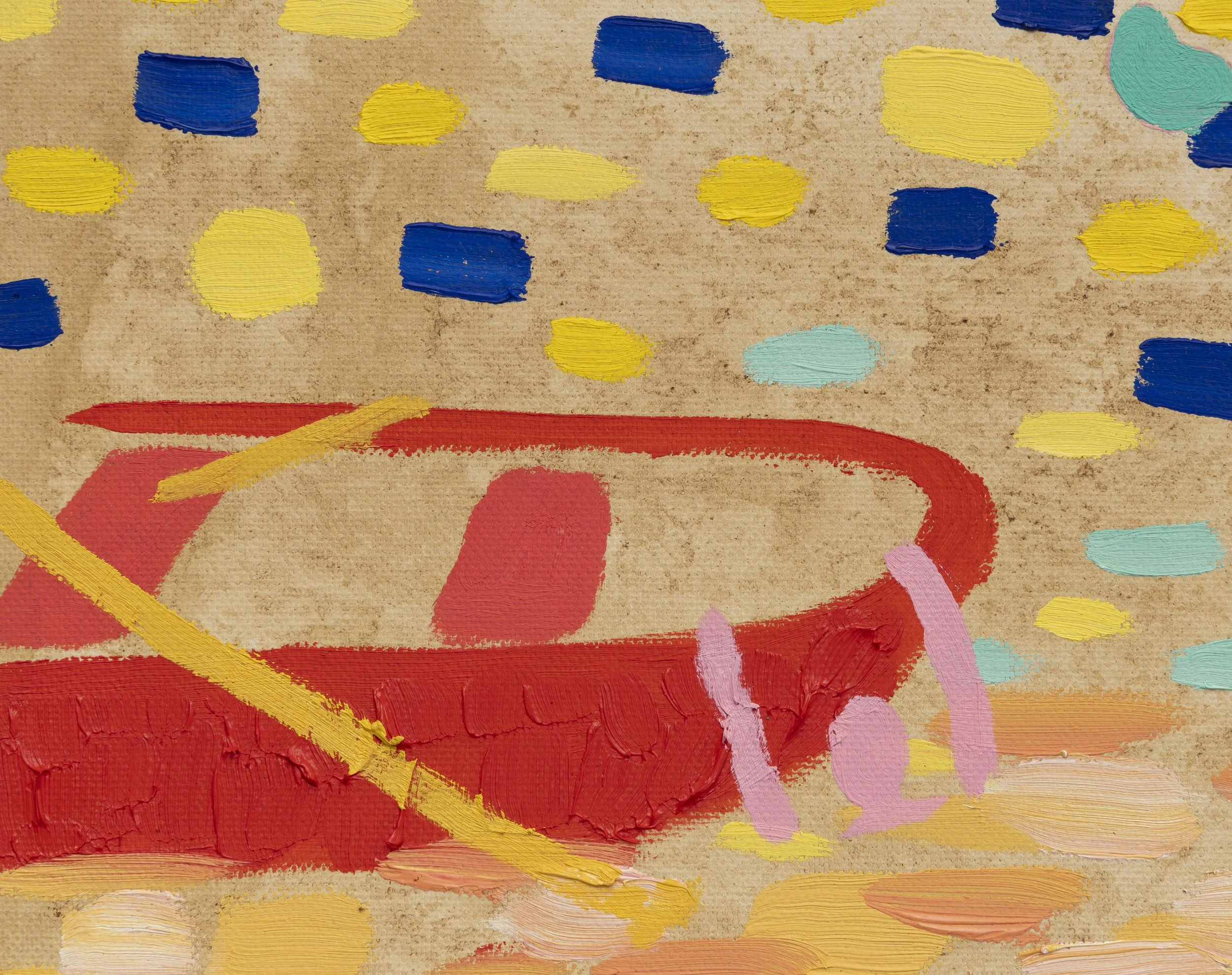
Niente, or painting from memory
This essay takes shape the way this exhibition is built. In his painting and video installation, Channatip Chanvipava retrieves images from his archive, mental and digital, and repositions them to mean something new. I extend that approach to writing. Between the main sections of this essay stand fragments of a paper on mental imagery I wrote in 2018, reading Rachel Kushner’s novel The Flamethrowers, and never published. The thoughts, once fixed in words, float loose again in the service of a new reading.
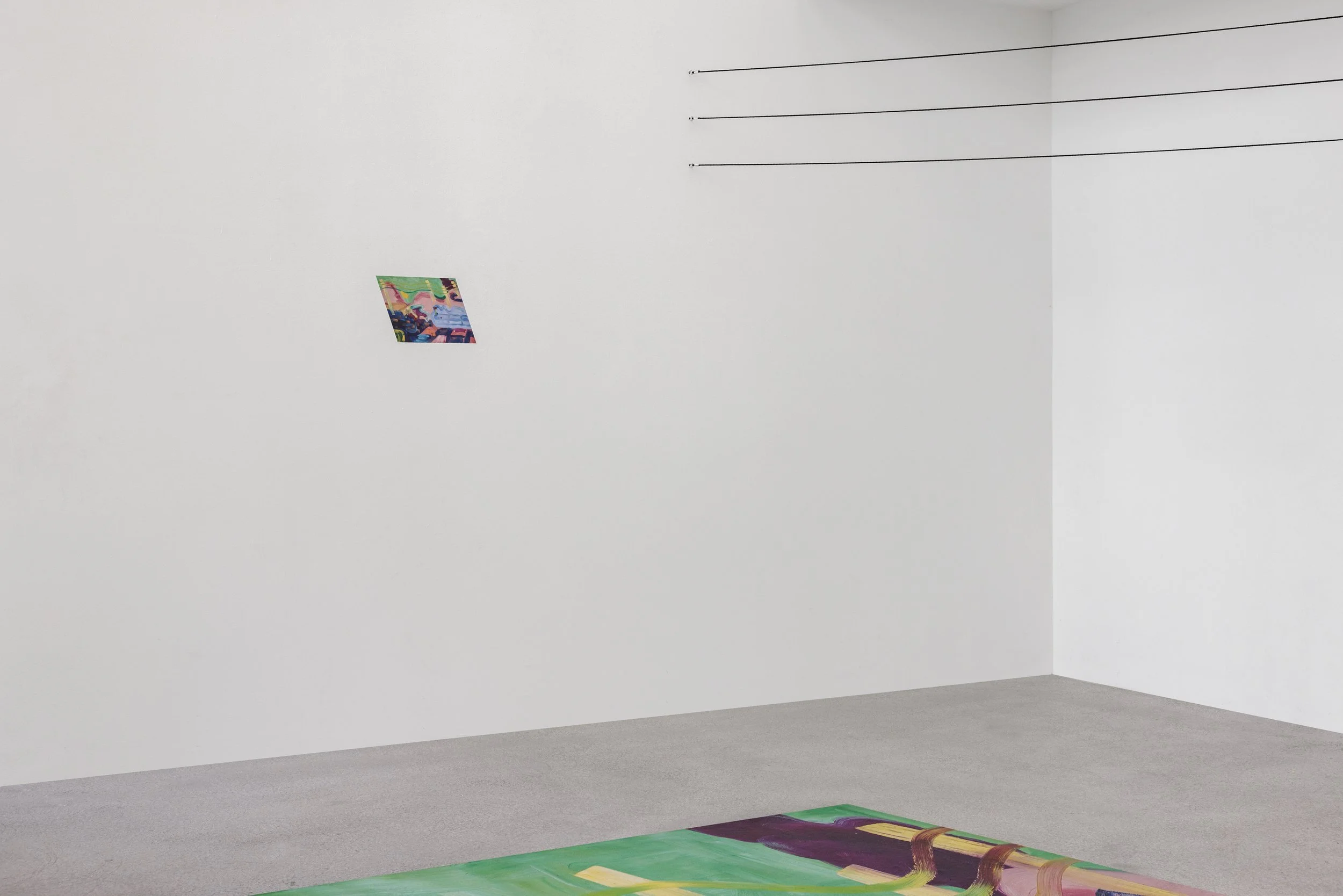
Parallel Worlds
We all come from somewhere.
In the late 20th and early 21st centuries, we used the term “post” to describe a world that felt like an aftermath: postmodern, postcolonial, post-truth. The term points to a break, but only gently, keeping the past as the relational context through which the present is understood. By attaching modernity, colonialism, or truth to a “post” condition, these frameworks are not fully left behind. They remain the primary reference points for our current condition. This deictic language, defining the present by pointing back to what came before, no longer suits our time. We are inhabiting a moment where the structures that once defined the world no longer carry the same authority.
In preparing for this exhibition, I found myself tripping over my own assumptions. I approach the work from the perspective of an American curator at a time when the world order I inherited no longer feels secure. I tell myself that this shift may lead to a better, more equitable, and multipolar world. Still, I catch myself circling around fear, surely emerging from my bias… What does it mean to live in a world where “the West” no longer occupies the position of authority?
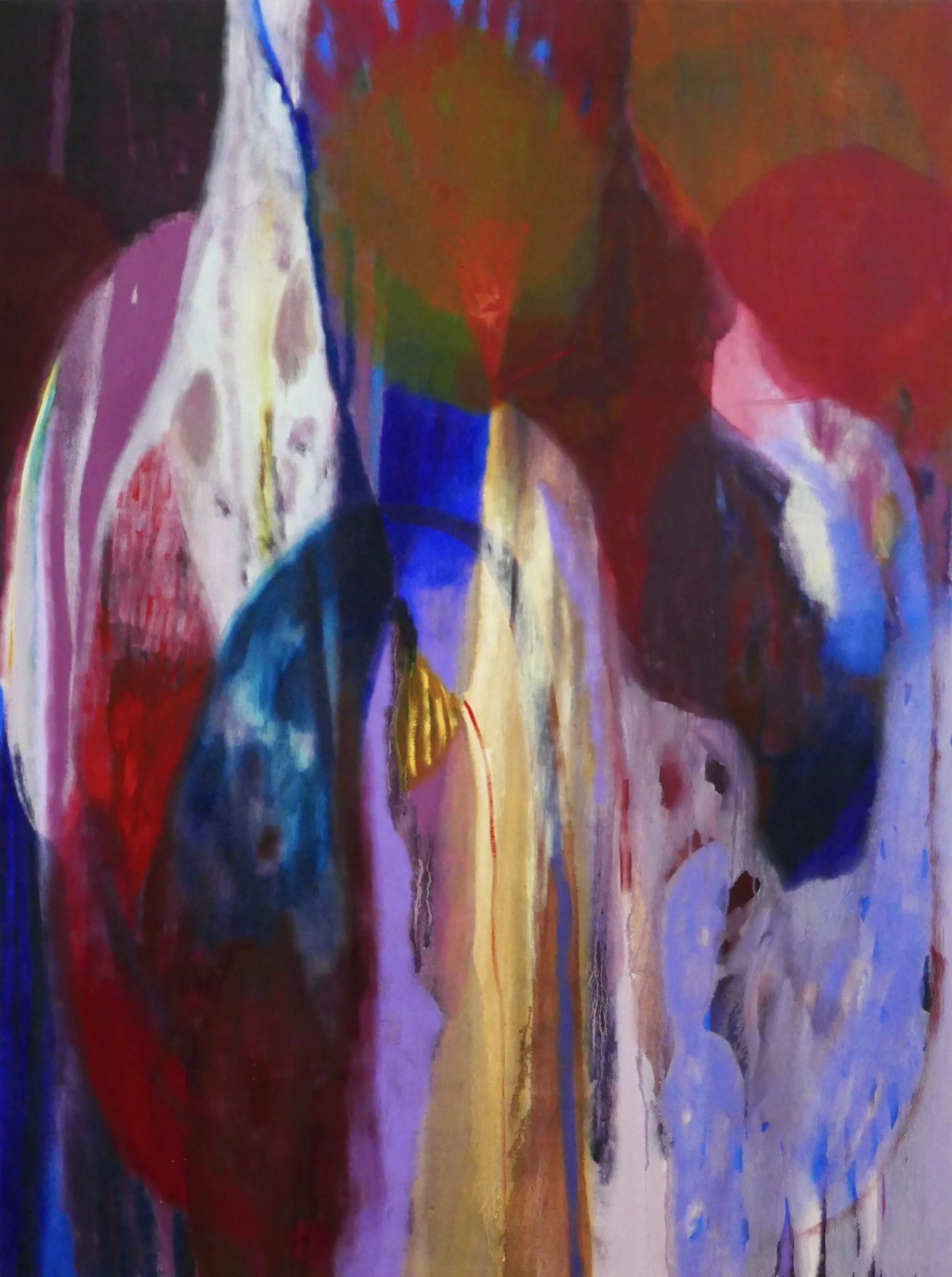
The Timekeeper
In the black air night I sit amongst the trees all in a line. The watchful one is with me, the one I can’t focus on but who stays close by. She is the timekeeper. We sit together, quiet and expectant, until out of the black green grows up and out and falls in ripples of light, surrounding us on all sides. In front of us the ground opens up into black void paralysis panic and there is a staircase leading down. Between the green I watch a man in the distance slowly walk towards us. He is all shadow, made of night and I know that the only way out is down.
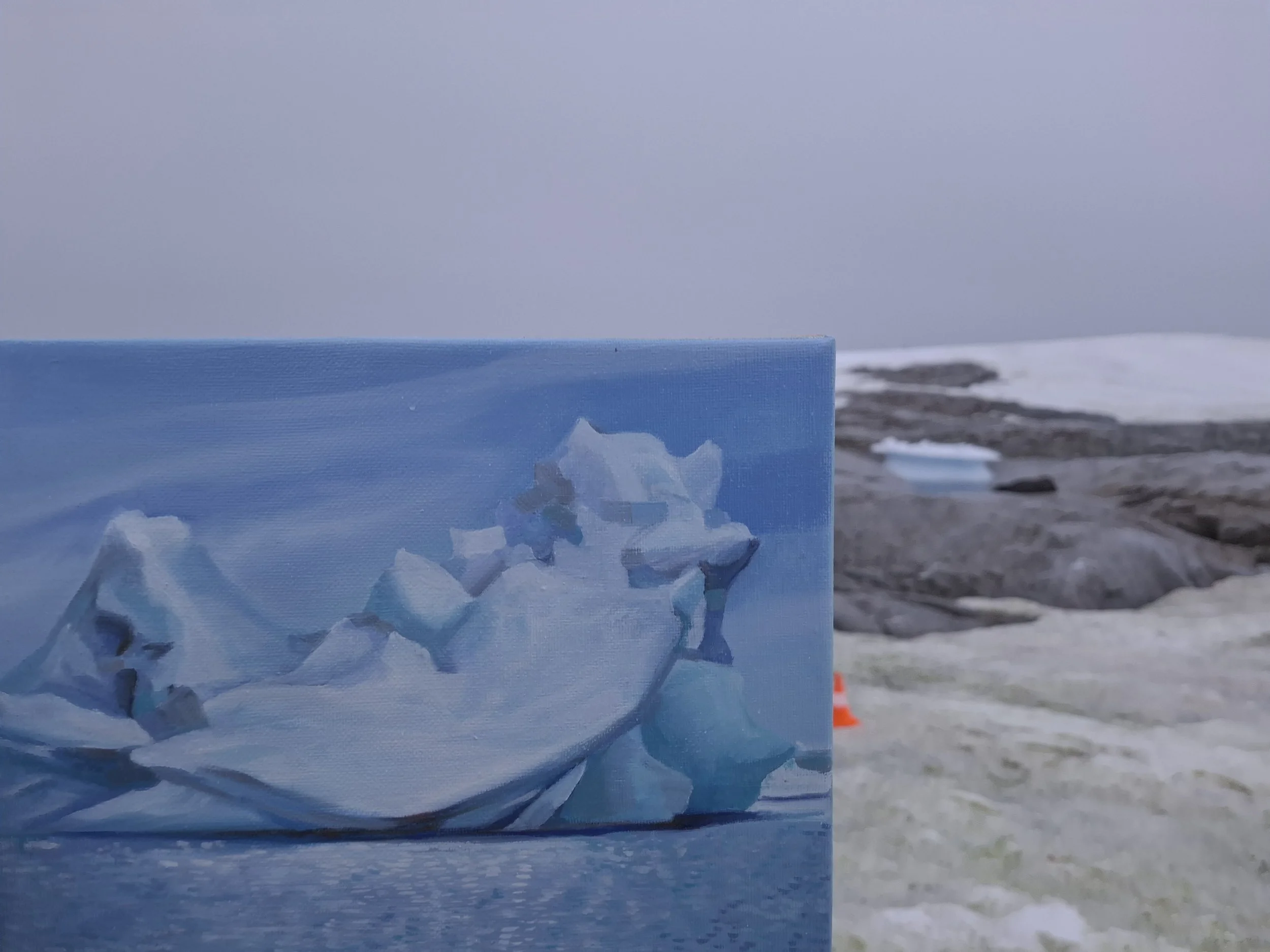
How It Began: Glacier 01
缘起
在旅行中带着音乐,对我来说往往是最纯粹的自由。而行囊中如果还有一幅画,那探索时还多一份责任。歌声可以随风而去,但画作必要物归原主,下雨时要护着,人家好奇画作的故事时,要毫无保留地分享和画作路上的见闻。差点儿失去它时,担心同时也会潸然泪下。
令人欣喜的不只是简单的南极之旅,而是我和这幅画一同曾真实地活着,恰如我爱同艺术和心爱美的人们一同真实活着。
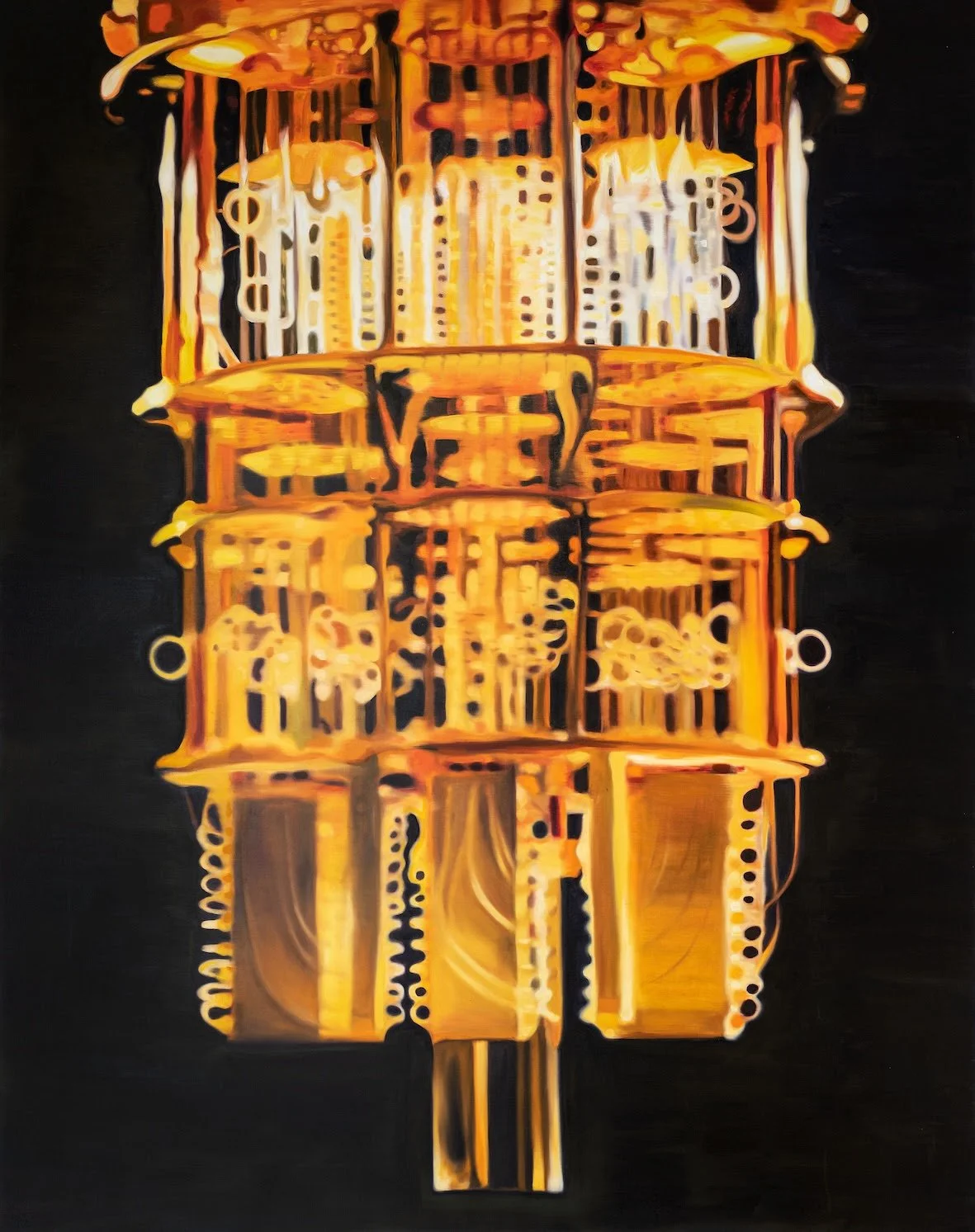
Tan Mu’s Quantum Gaze (2023)
Tan’s Quantum Gaze is on view until this September as part of Seeing the Unseen at the ERES Stiftung, alongside an enviable scientific program on quantum foundations, quantum computing, and quantum cryptography. Below you’ll find excerpts from two wonderful reviews of the show by Kunstforum and Münchner Feuilleton.
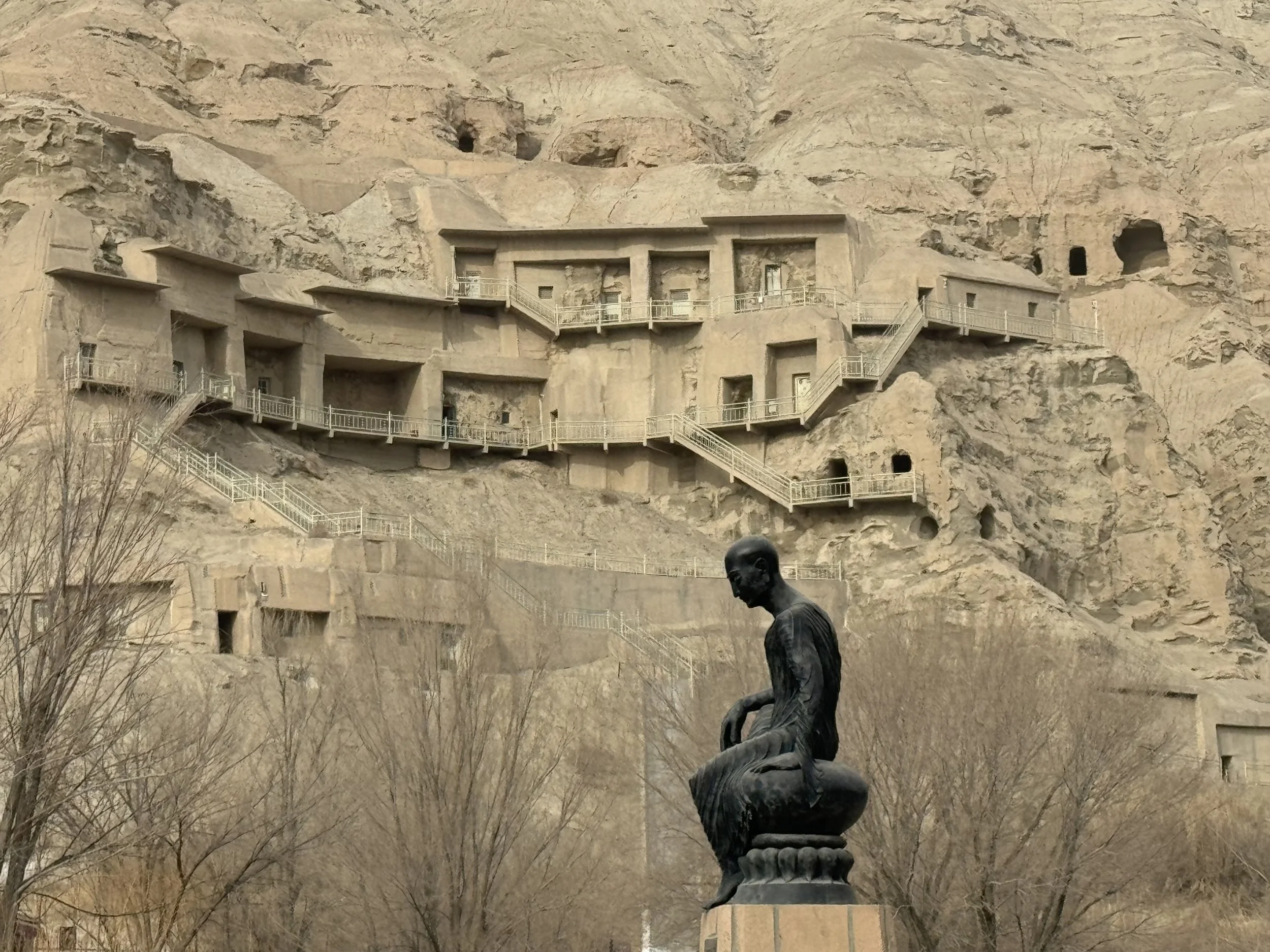
A Winter Journey to Kizil
Bai Mengfan is starting her residency in Kucha, home to some of the oldest Buddhist murals in China, in preparation for her 2027 exhibition at BEK. Some photos of the winter landscape as a small teaser. Or get in touch if you’d like to join the trip to Kucha this spring.
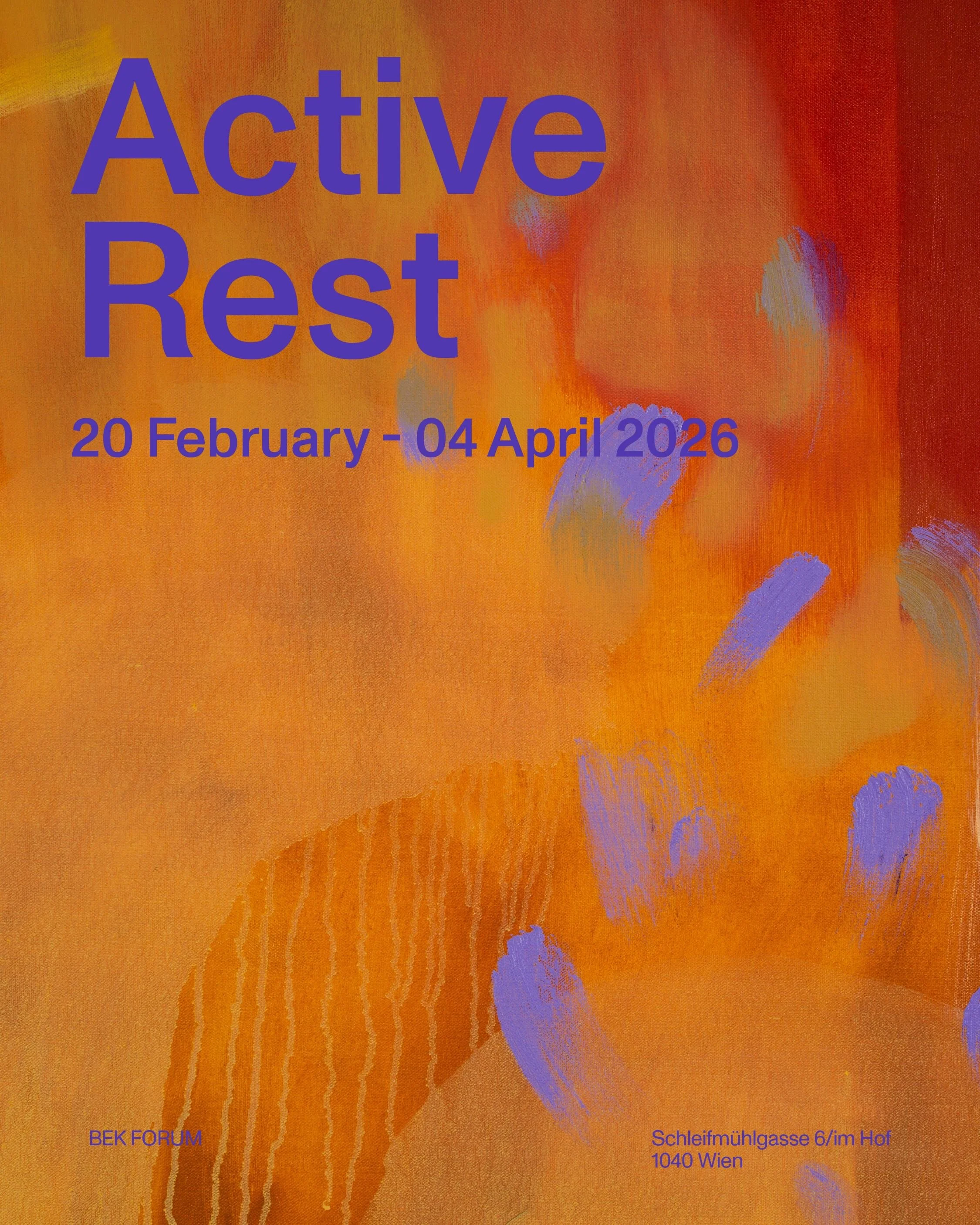
Active Rest
We’ve had a quieter start to 2026. With the year of the Fire Horse ahead, it’s time to catch up and come together.
Next Thursday in Vienna we begin with an especially inviting exhibition, Active Rest: An Exploration of Time, curated by Sara Alavi Kia. The exhibition brings together a vibrant group of artists working with painting, wall objects (and anesthesia), photography (and AI), textile, sound, light, and scent. Sara puts it beautifully:
In a culture shaped by acceleration and constant productivity, rest is often framed as absence, as a pause between moments of activity. Active Rest challenges this notion by presenting rest as a state of presence, attention, and engagement. To rest, in this context, is not to withdraw from experience, but to attune oneself differently: to allow other rhythms, senses, and modes of knowing to surface.
Constellations
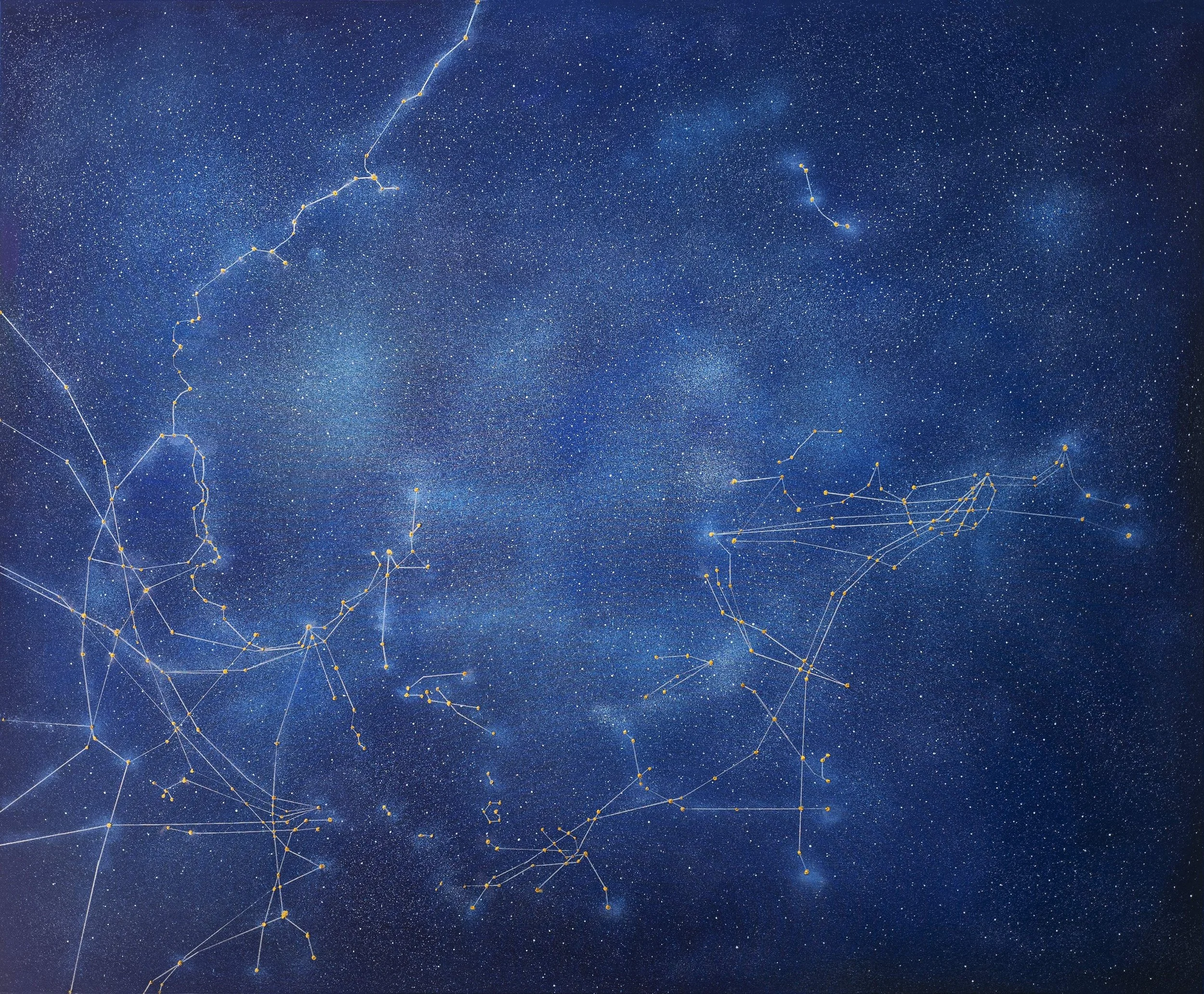
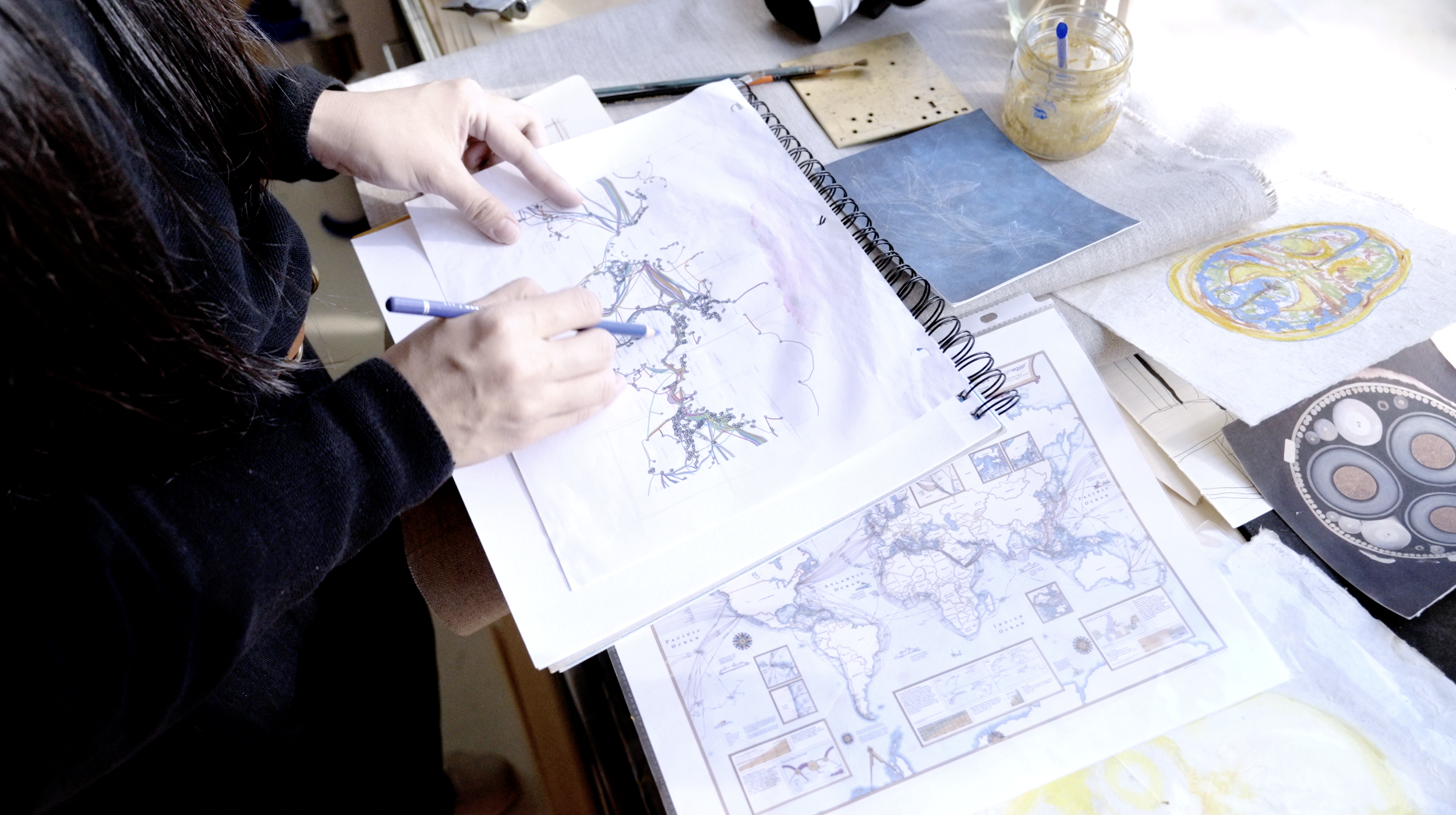
Almost every visitor’s first impression of the Signal series is of constellations of stars, probably because of the intuitive intrigue of celestial patterns, probably because of the call of ad astra per aspera that runs through histories—whether via popular culture references like Star Trek or the many institutions that uphold the spirit of striving toward the stars through hardship. In Tan Mu’s Signal paintings, the constellation points away from subject or telos toward a telecommunication system, a critical infrastructure with greater significance than is often assumed: the submarine cables. As of 2025 the network comprises 597 cable systems and 1712 landings in the latest cable map produced by TeleGeography. It is by no means an even system. One easily traces clusters and geometries that mirror geographical surfaces and socioeconomic activities. The cables and landings in Signal 04 (Norway, 2025), for example, exude a commanding glow with a dash of airiness in the upper right, conveying the orderliness and austerity of magnificent coastlines. Signal 06 (Caribbean Sea, 2025), in comparison, is flamboyant and unapologetically convoluted, reflecting the dense archipelago. More than mapping the negative space of inhabited land, the paintings portray the evolving co-authorship of geography, economy, politics, and technology. In oil and acrylic, the thick yellow dots and pale lines create a luminous image that some read as collage or even electrically lit installation.
Everything on the Line
Dipping into a sea of stars
A network of connections
fragile, human
The sound of a string
Vibrating in infinity
everything on the line
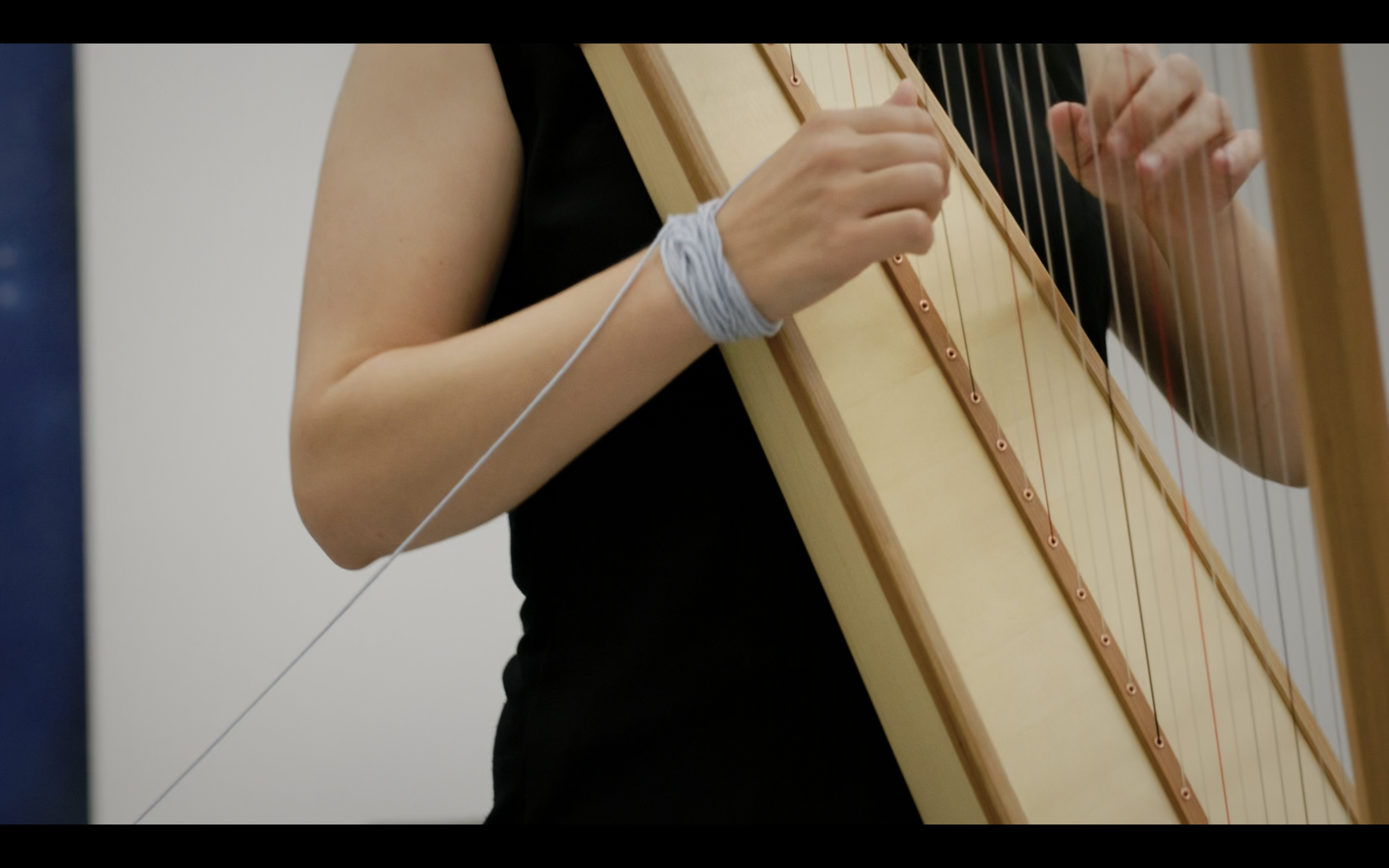
Imagine the world connected through a taut string that could rip at any moment. A fragile yet beautiful nexus creating tension between the sky, the earth, and us as human beings. The strings of technology come to life on the strings of art, an invisible line converting the artworks into music and vice versa.
The performance Everything on the Line was conceived to convey Tan Mu’s art through music. It was rooted in the belief that music can act as a catalyst—connecting artwork and audience, emotion and intellect. For me, connection was the central concept of the exhibition.
The first time I encountered the Signal series, I felt magnetically drawn to the canvas. Some elements became clear only through explanation; others resonated instantly. I began reflecting on how to translate that multi-layered depth into sound—how to make the art's inherent connections tangible to an audience. Because for me, music in an exhibition like this only makes sense when it serves as a bridge - between the artwork’s inner logic, the presence of the listener, and the countless connections they themselves carry into the space.
The question was: how?
Alone, Together / Locals, Everywhere
In 2023, the exhibition title of the Venice Biennial seemed to perfectly encompass our socio political environment: Foreigners Everywhere.
It was elegant, political, and true: a pejorative transformed into a rallying cry from a fractured global present.
Like Just Do It, it was also symptomatic in its power to compel, to cultivate likes and shares.
It could have been the tagline for a drop on Instagram, Twitter, or TikTok Shop… catching our short attention span in a world of hyper-connectivity, click-commerce and hyper-isolation. Here we are foreign in our own homes (are they even ours any more?) and are strangers on infinite scroll… flooded with images of disposable elsewheres and others, alien even to ourselves.
l’enfer, c’est les autres
Nobody wants this anymore. We have reached a critical mass of despair with the false promise of mass “reach” and hyper-connectivity.
Locals Everywhere is not a denial of this reality.
It is a response to this despair, and a proposal for both an exit and a path forward…
Away from our self-imposed terms of estrangement.
To be local is not a matter of origin.
It’s a matter of attention,
Of intention,
Of how we choose to show up.
To be local is to participate, to be in relation, to stay proximate, whether digitally or physically, through care and affinity, rather than claim.
Locals Everywhere names an interior exodus.
A movement away from the algorithmic public square, away from mass dissemination as goal, and toward something quieter, more intimate. To crave and respect limits. To see and integrate with technology as an extension of intimacy, instead of “using” “it” as a tool for hacking our attention span.
A distributed intimacy.
A post-geographic kinship.
A refusal to define ourselves by displacement, and an invitation to begin again through presence and connection.
This is not utopia. It is something more fragile, and more possible.
A politics of coherence.
A small, glowing warmth.
A shared finitude.
To live here, on this fifth shore, is to relinquish mastery in favor of mutuality. It is to recognize the instability and porousness of identity, not as crisis, but as condition.
To speak with voices that are not ours alone.
Here, authorship dissolves into relation.
Voice becomes encounter.
Intimacy is not proximity… but coherence.
We are alone, together.
We are local, everywhere.
We are not finished.
Signal ist da!
Six years ago in midtown Manhattan, Tan Mu came into her studio everyday to paint some dots. One small set after another, it became No Signal. The painting refers to the familiar image for those of us growing up with bulky CRT televisions: the snowy screen accompanied by the hiss of white noise. It also refers to the signal behind No Signal: a small fraction of that speckled image is in fact influenced by the cosmic microwave background. A whisper of the early universe. Now I’m reminded of the lecture about the first direct observation of gravitational waves I attended at Tsinghua ten years ago, on the remarkable endeavors of LIGO (Laser Interferometer Gravitational-Wave Observatory) that confirmed a key prediction in Einstein’s theory of general relativity. That detected wave came from the collision of a pair of black holes. Then there’s the recent news of an AI’s counterintuitive design that seemed like “alien things or AI things” for the physicists at Caltech but could improve the sensitivity of LIGO by an estimated 10-15%, a leap at the sub-proton scale.
Tan Mu’s Interwoven World: Between Submarine Cable and Ocean Waves
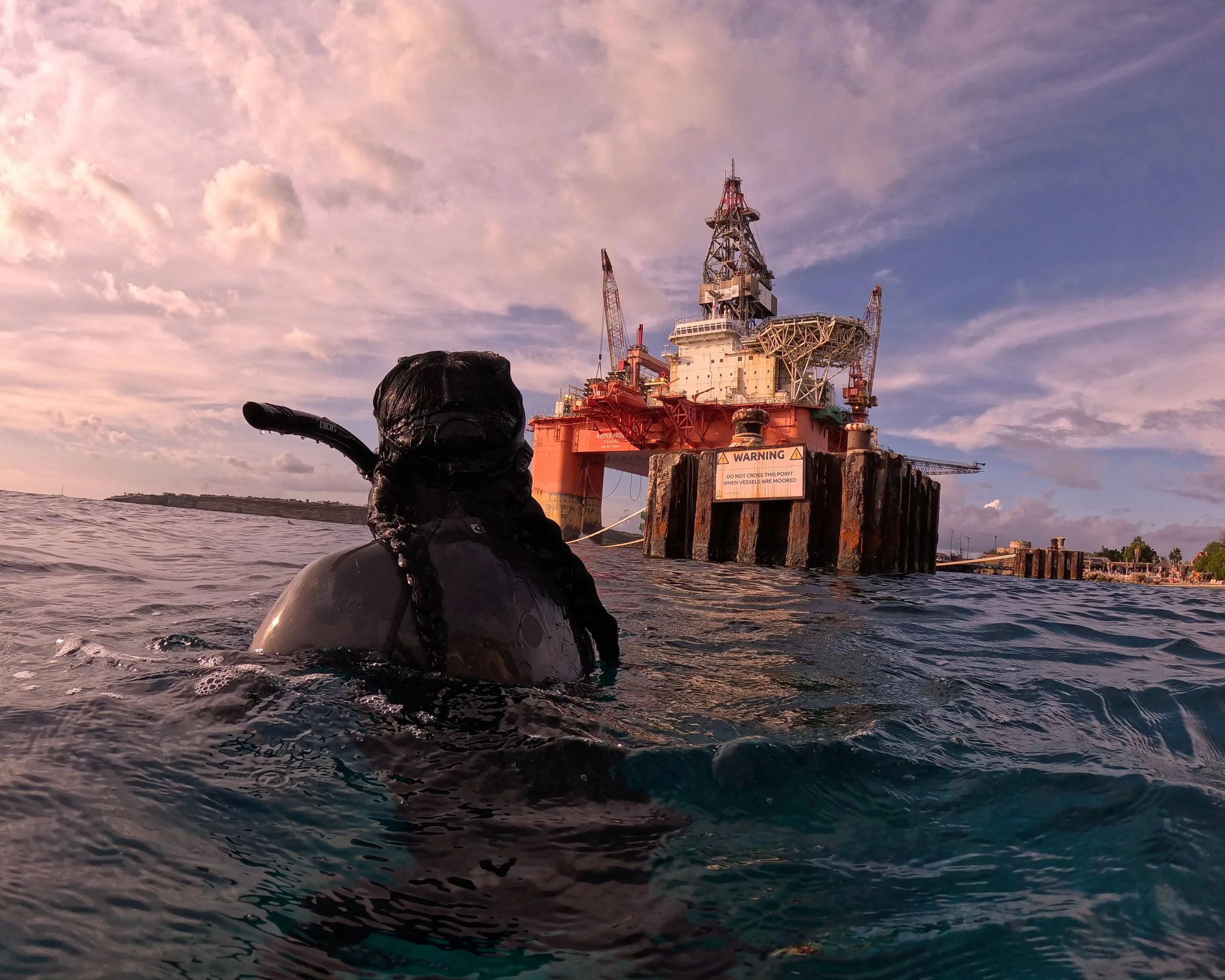
In Werner Herzog’s Lo and Behold, internet pioneer Ted Nelson recalls skimming his fingers across a lake as a child, watching ripples form, break apart, and rejoin — a fleeting vision of the universe as an ever-shifting web. Artist Tan Mu knows this sensation intimately. Raised in Yantai, Shandong, she grew up in and around the water — swimming, sailing, windsurfing – before discovering freediving in 2019. At 10 metres below, she achieves neutral buoyancy: light refracted above, infinite darkness below, silence all around. In that space, time and scale dissolve, and perception shifts.
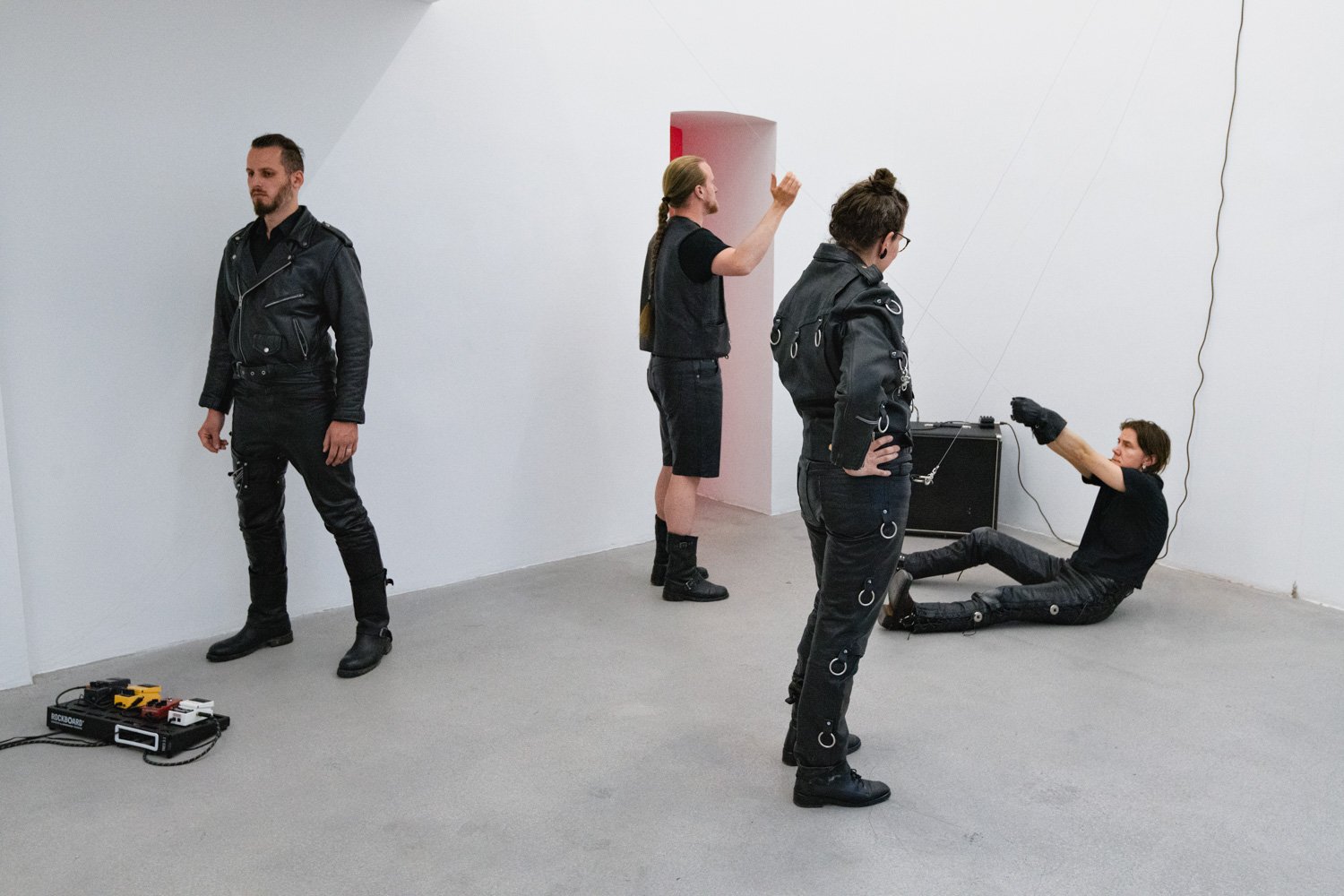
(Still) Tuning and a midsummer night’s strings
Elisabeth left us the strings from her June performance, Tuning. For several days, each time I passed the strings casually hanging beneath the balcony or next to the staircase, it felt as if the wall behind me stirred and the sound lingered. Then one day, when a gust blew the front door shut, the blonde horsehair of Carapacewhispered a complaint, and the gallery felt suddenly so quiet that the tension in this fluffy sculpture screamed for the strings to be activated again. Upstairs, the woven silver sculptures remain a soothing presence—for both humans and the architecture—as they always are.
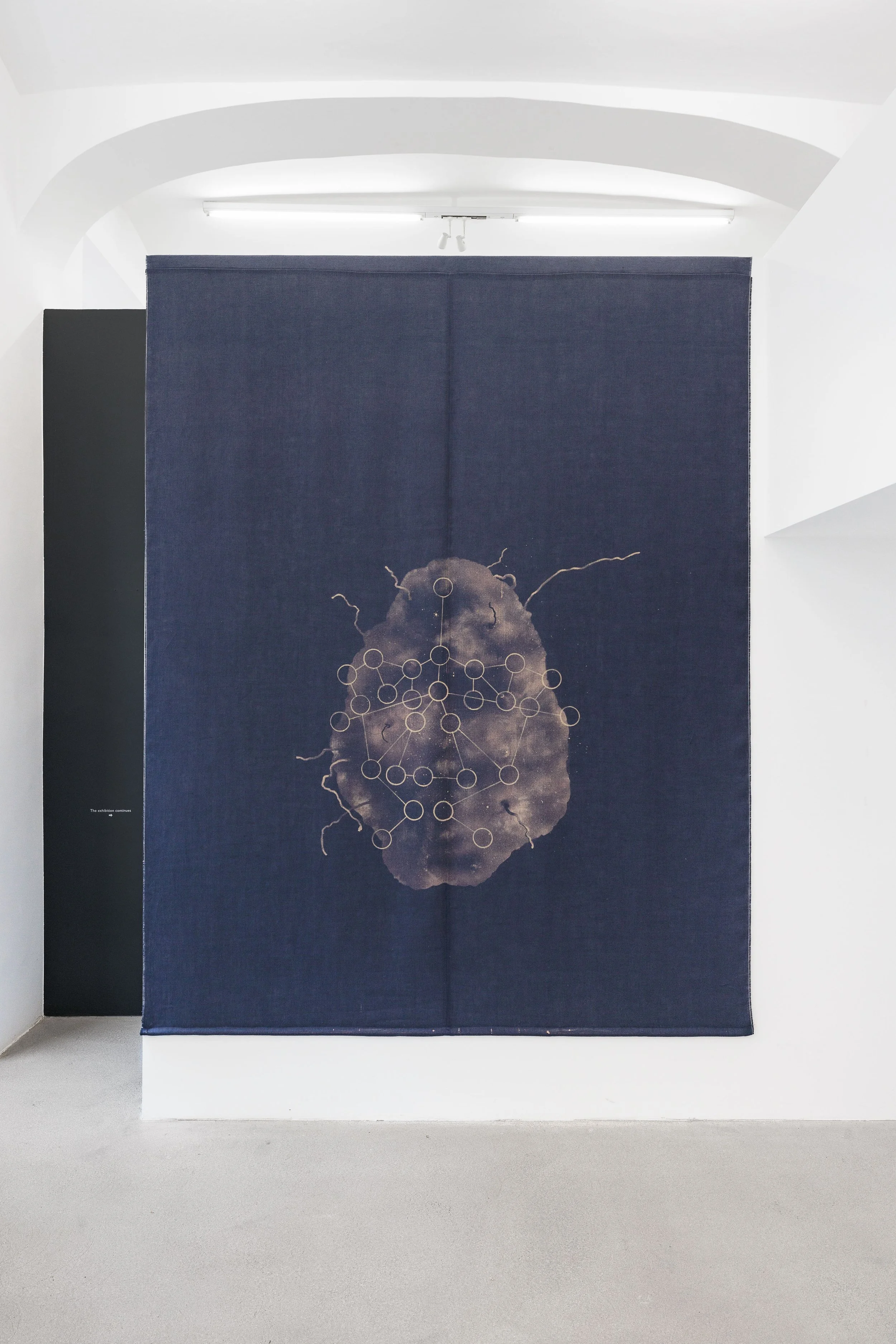
A bureau for experiments?
I had little idea what Vienna had in store for me when I moved here for a PhD from New York’s quieter-than-usual Upper West Side during the pandemic, having impressed myself with an Expedia drone video on YouTube. One of the first people to hear the news was a stranger waiting next to me for take-away near Lincoln Center—probably a musician or a writer, starry-eyed: good for you! Then, like many friends I would come to know in Vienna, I just stayed. Vienna grows on you. And I want to bring one more slice of vibrancy to this city, celebrated as the world’s most livable, now in full bloom for its majestic spring. Praise the season.
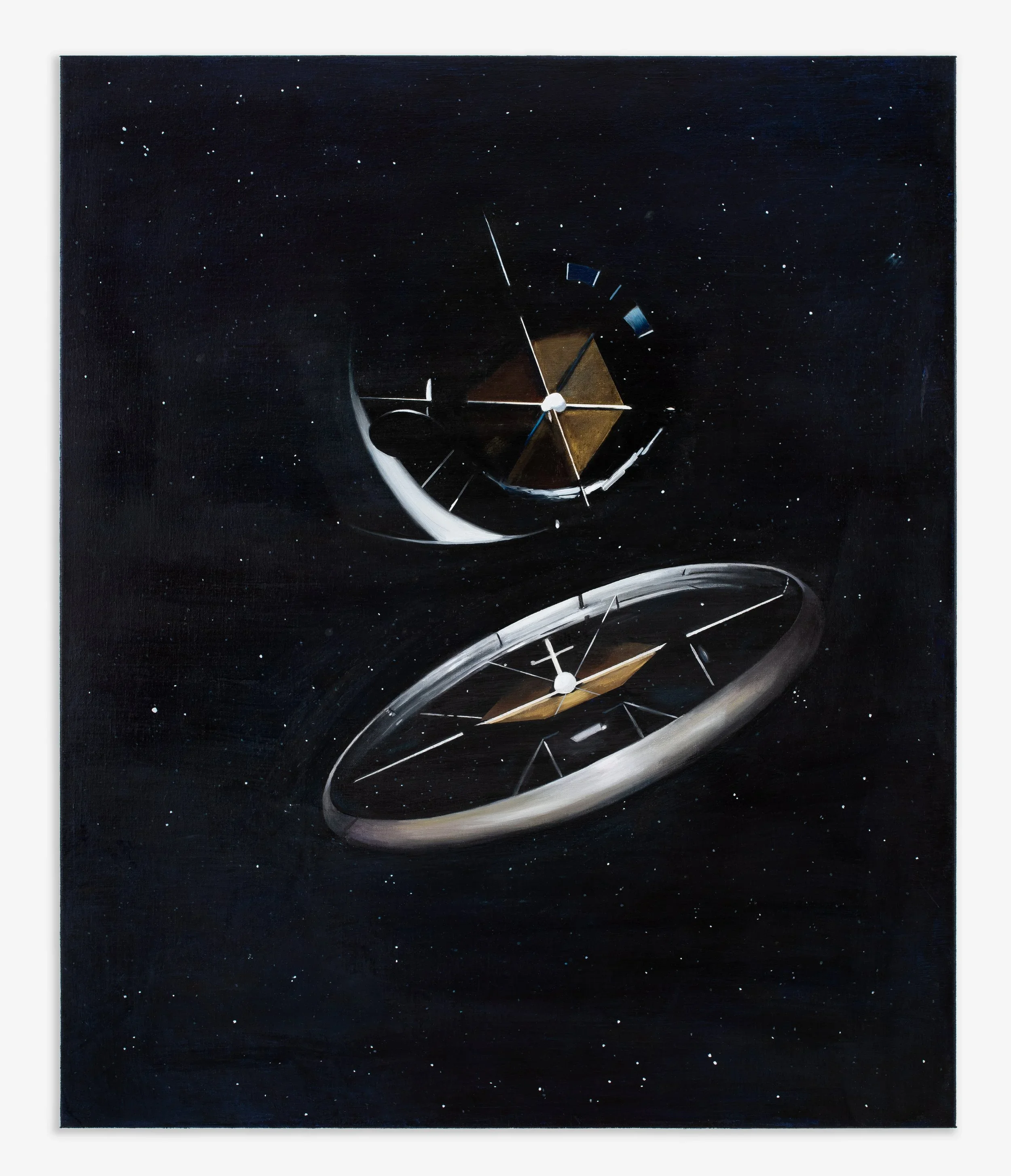
Conversation
Yizhuo in conversation with Tan, on the history of science and technology, mediatized society, and bodily and spiritual experience.
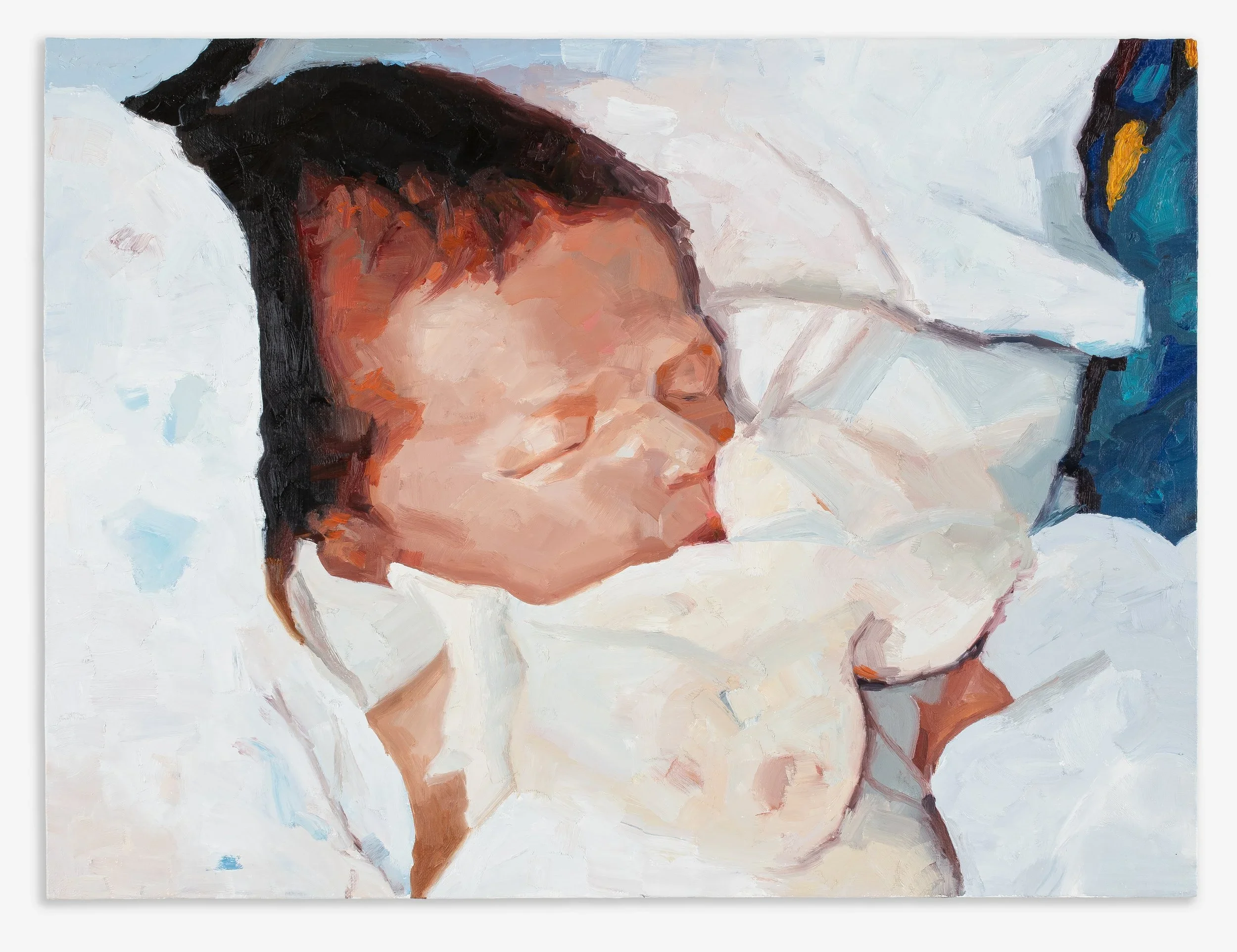
Imaginary of an Image: On Tanmu’s Recent Paintings
At one moment I couldn’t help but stare at Tanmu’s Dolly the sheep. Among her intricately executed work, neither the composition nor the technique of Dolly was particularly remarkable, except that unlike most others, it gazes back.
It was then that I started examining the affective and epistemic formations in Tanmu’s work; my insensitivity was not because I knew little about her practice—from painting and drawing to printmaking and multimedia installations—or artistic approach, but that I had always felt genuinely close to the images, despite their objective guise.