
The Morning Desk
Essays, conversations and field notes from the bureau — on the artists, exhibitions and ideas we keep returning to.
Opening the desk…
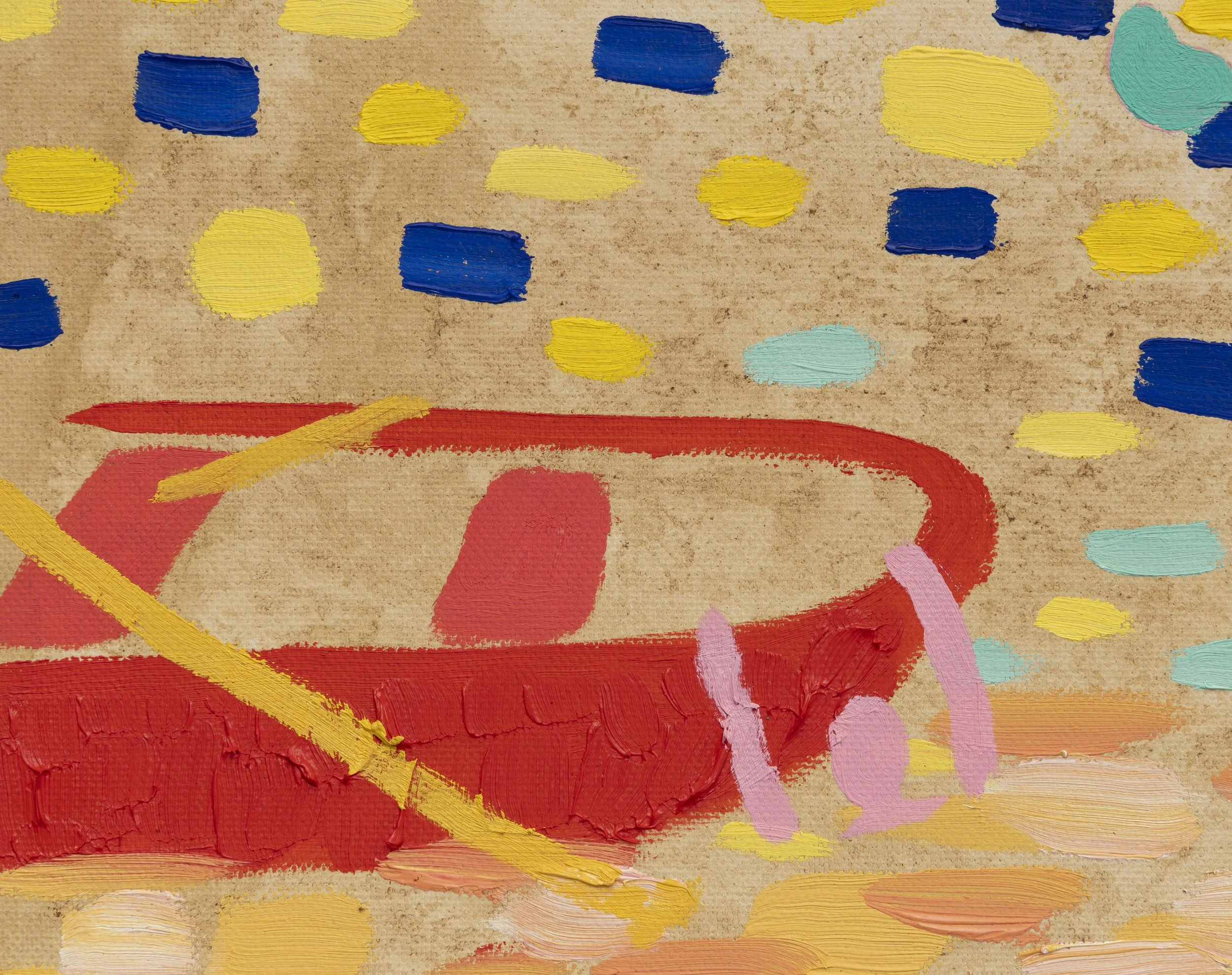
Niente, or painting from memory
This essay takes shape the way this exhibition is built. In his painting and video installation, Channatip Chanvipava retrieves images from his archive, mental and digital, and repositions them to mean something new. I extend that approach to writing. Between the main sections of this essay stand fragments of a paper on mental imagery I wrote in 2018, reading Rachel Kushner’s novel The Flamethrowers, and never published. The thoughts, once fixed in words, float loose again in the service of a new reading.
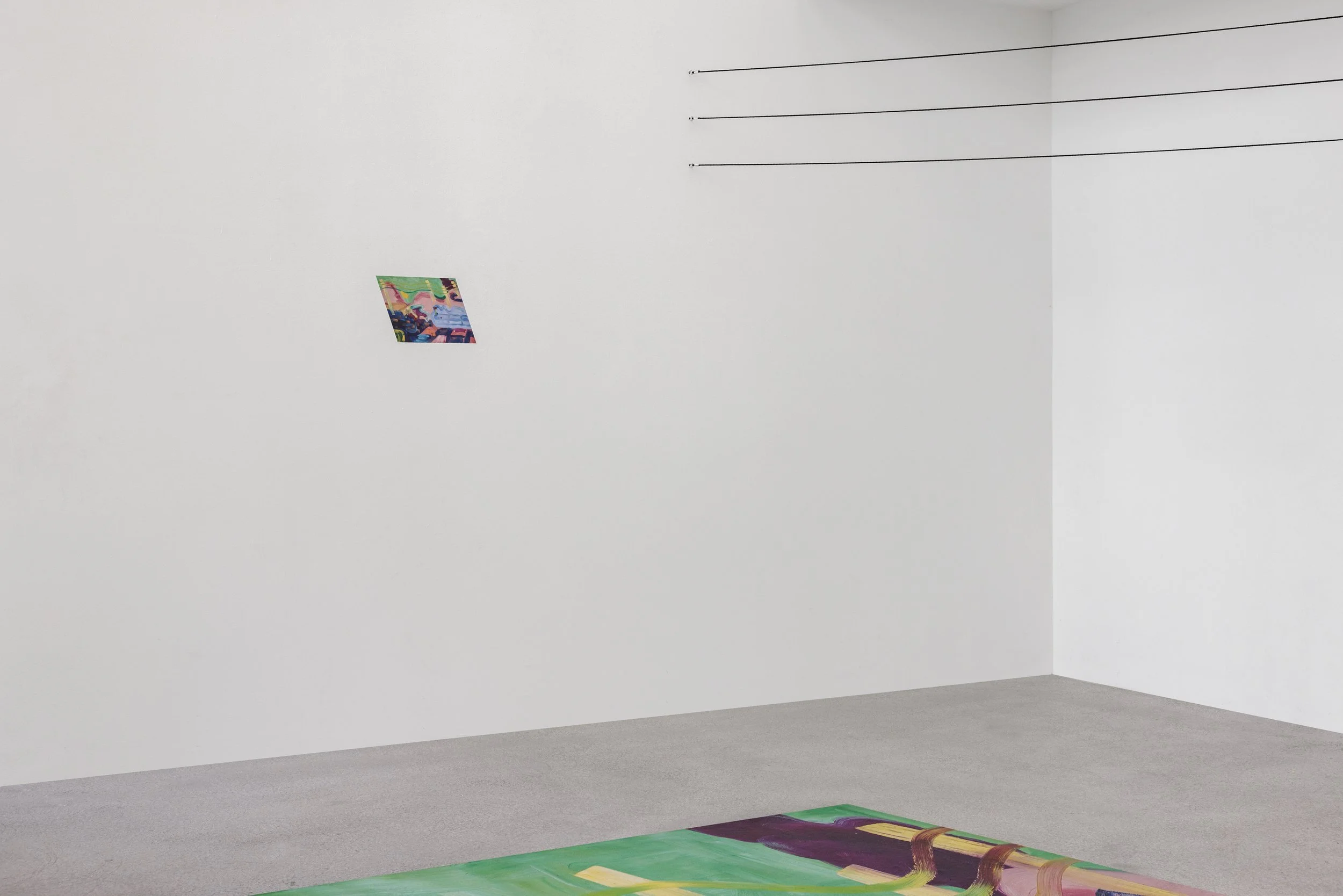
Parallel Worlds
We all come from somewhere.
In the late 20th and early 21st centuries, we used the term “post” to describe a world that felt like an aftermath: postmodern, postcolonial, post-truth. The term points to a break, but only gently, keeping the past as the relational context through which the present is understood. By attaching modernity, colonialism, or truth to a “post” condition, these frameworks are not fully left behind. They remain the primary reference points for our current condition. This deictic language, defining the present by pointing back to what came before, no longer suits our time. We are inhabiting a moment where the structures that once defined the world no longer carry the same authority.
In preparing for this exhibition, I found myself tripping over my own assumptions. I approach the work from the perspective of an American curator at a time when the world order I inherited no longer feels secure. I tell myself that this shift may lead to a better, more equitable, and multipolar world. Still, I catch myself circling around fear, surely emerging from my bias… What does it mean to live in a world where “the West” no longer occupies the position of authority?
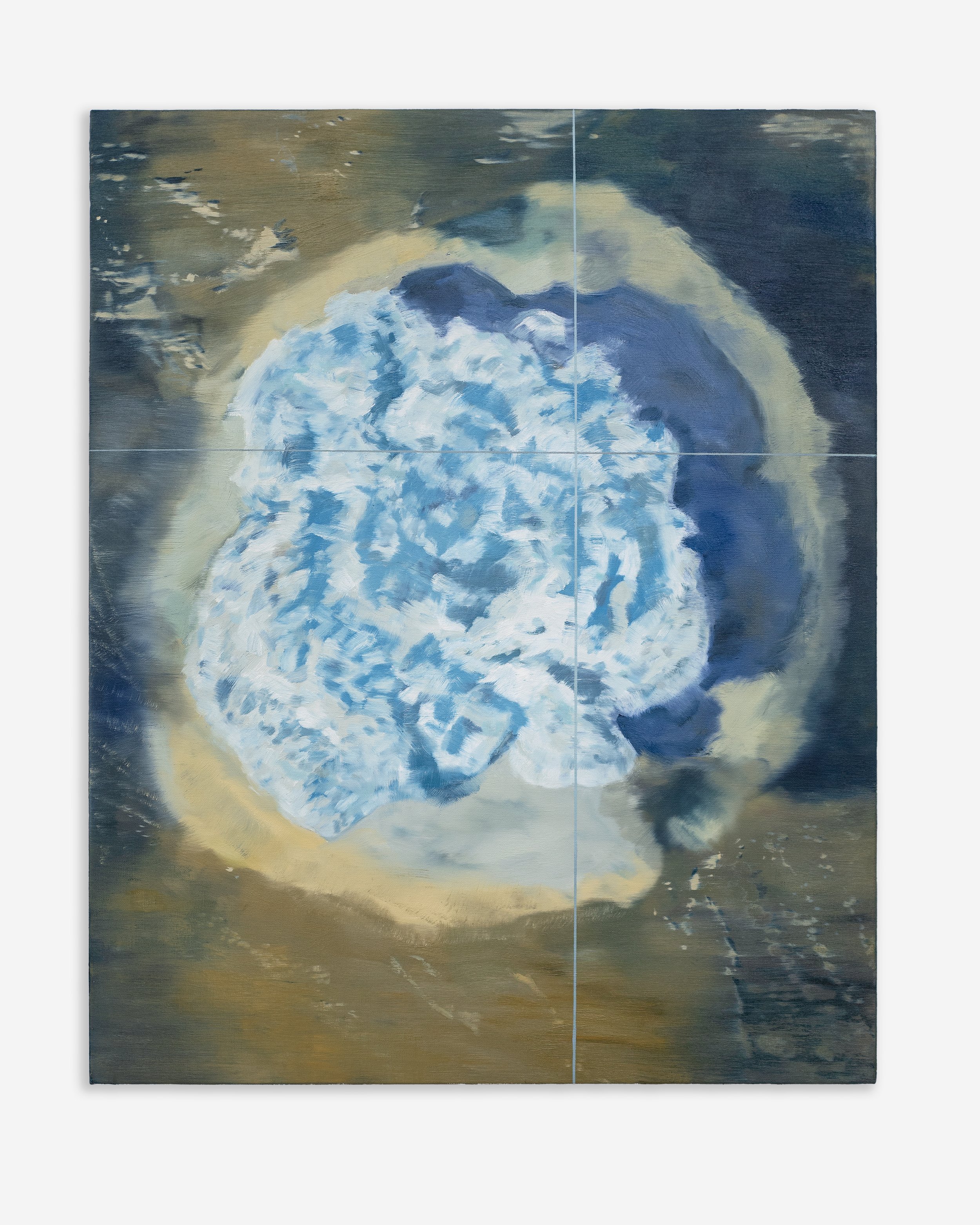
Constellations
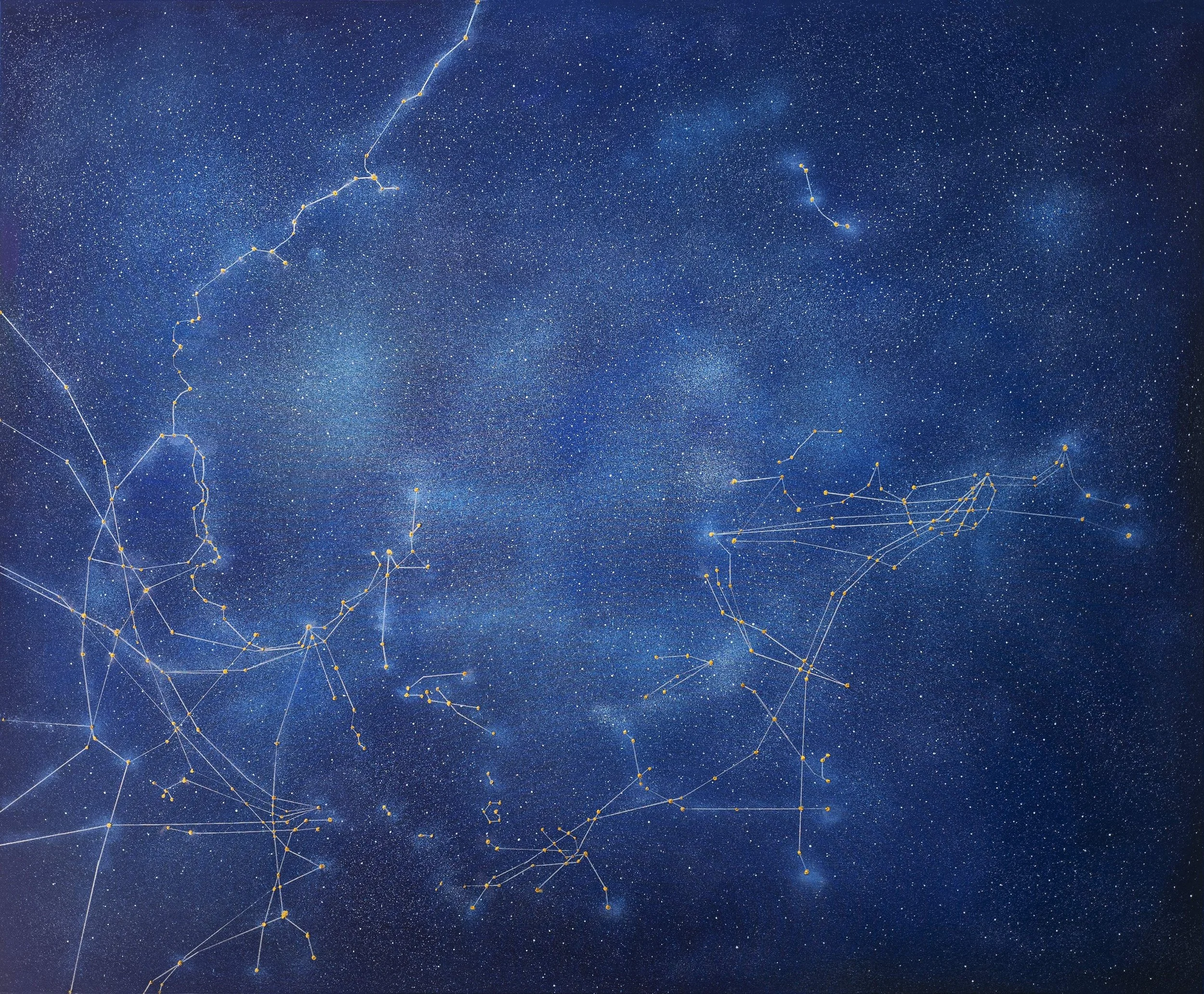
Almost every visitor’s first impression of the Signal series is of constellations of stars, probably because of the intuitive intrigue of celestial patterns, probably because of the call of ad astra per aspera that runs through histories—whether via popular culture references like Star Trek or the many institutions that uphold the spirit of striving toward the stars through hardship. In Tan Mu’s Signal paintings, the constellation points away from subject or telos toward a telecommunication system, a critical infrastructure with greater significance than is often assumed: the submarine cables. As of 2025 the network comprises 597 cable systems and 1712 landings in the latest cable map produced by TeleGeography. It is by no means an even system. One easily traces clusters and geometries that mirror geographical surfaces and socioeconomic activities. The cables and landings in Signal 04 (Norway, 2025), for example, exude a commanding glow with a dash of airiness in the upper right, conveying the orderliness and austerity of magnificent coastlines. Signal 06 (Caribbean Sea, 2025), in comparison, is flamboyant and unapologetically convoluted, reflecting the dense archipelago. More than mapping the negative space of inhabited land, the paintings portray the evolving co-authorship of geography, economy, politics, and technology. In oil and acrylic, the thick yellow dots and pale lines create a luminous image that some read as collage or even electrically lit installation.
Signal ist da!
Six years ago in midtown Manhattan, Tan Mu came into her studio everyday to paint some dots. One small set after another, it became No Signal. The painting refers to the familiar image for those of us growing up with bulky CRT televisions: the snowy screen accompanied by the hiss of white noise. It also refers to the signal behind No Signal: a small fraction of that speckled image is in fact influenced by the cosmic microwave background. A whisper of the early universe. Now I’m reminded of the lecture about the first direct observation of gravitational waves I attended at Tsinghua ten years ago, on the remarkable endeavors of LIGO (Laser Interferometer Gravitational-Wave Observatory) that confirmed a key prediction in Einstein’s theory of general relativity. That detected wave came from the collision of a pair of black holes. Then there’s the recent news of an AI’s counterintuitive design that seemed like “alien things or AI things” for the physicists at Caltech but could improve the sensitivity of LIGO by an estimated 10-15%, a leap at the sub-proton scale.
Conversation
Yizhuo in conversation with Tan, on the history of science and technology, mediatized society, and bodily and spiritual experience.