
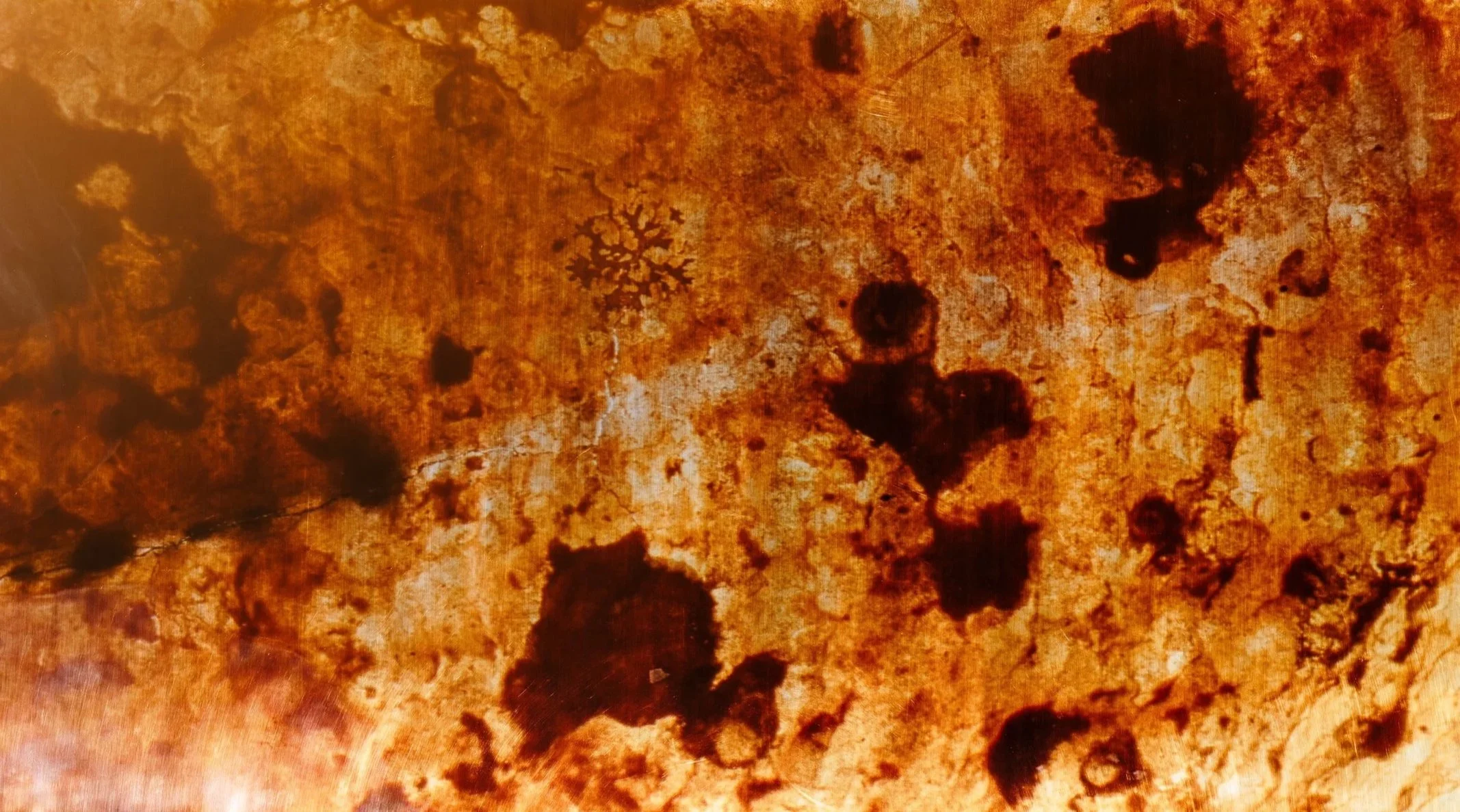
Elisabeth Kihlström
L'oro del mare (Rame)
11 September – 7 November 2026
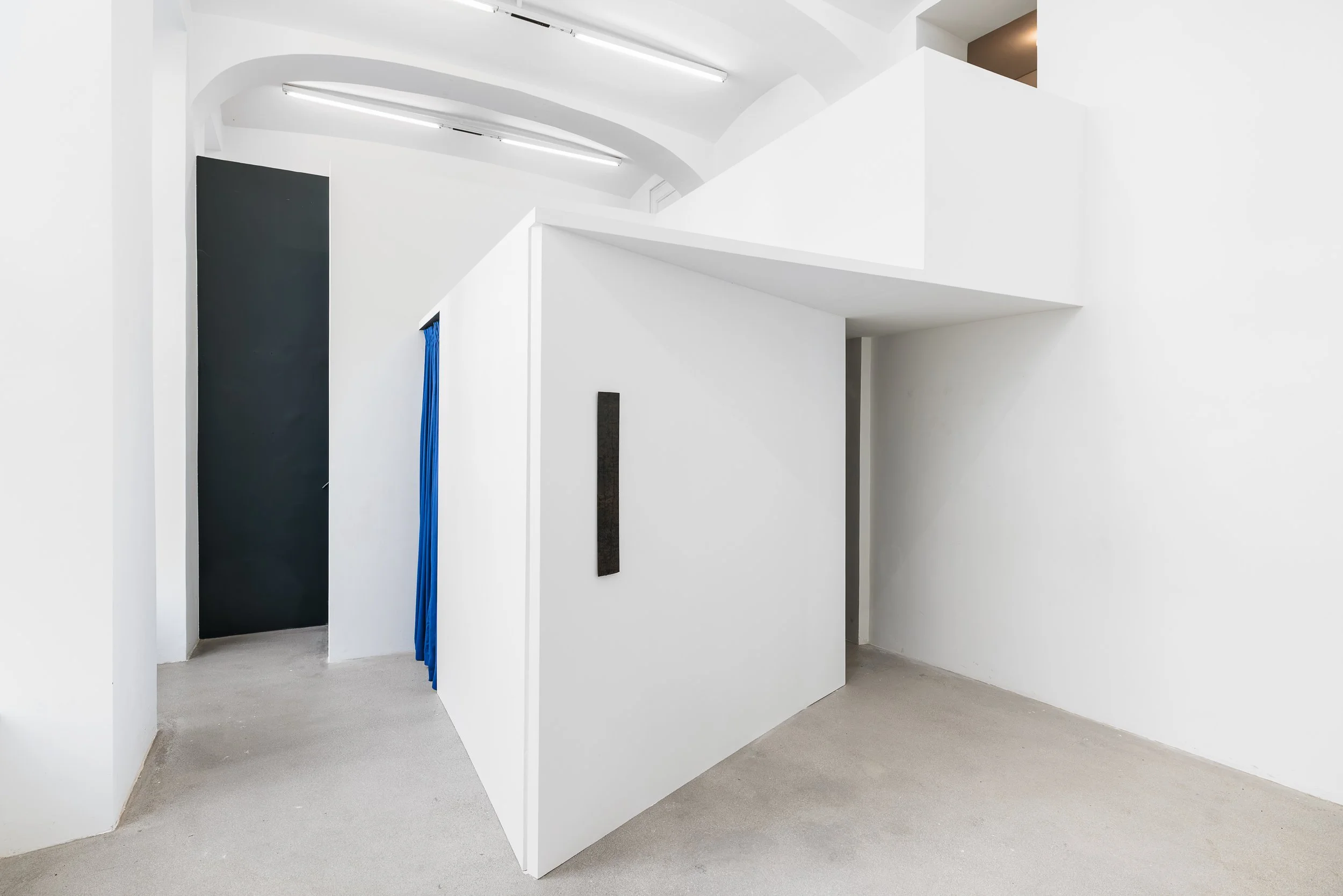
Water is the active material of L’oro del mare (Rame). Water makes, dissolves, transports, and preserves. Through water, the organic leaves an imprint on the durable; through water, the durable eventually begins to break down. In Kihlström’s work, destruction and preservation are the same process, viewed across sufficient time. The first chapter of an ongoing project, L’oro del mare moves between two sites: the tomb and the seabed. What connects them is not metaphor but mechanism.
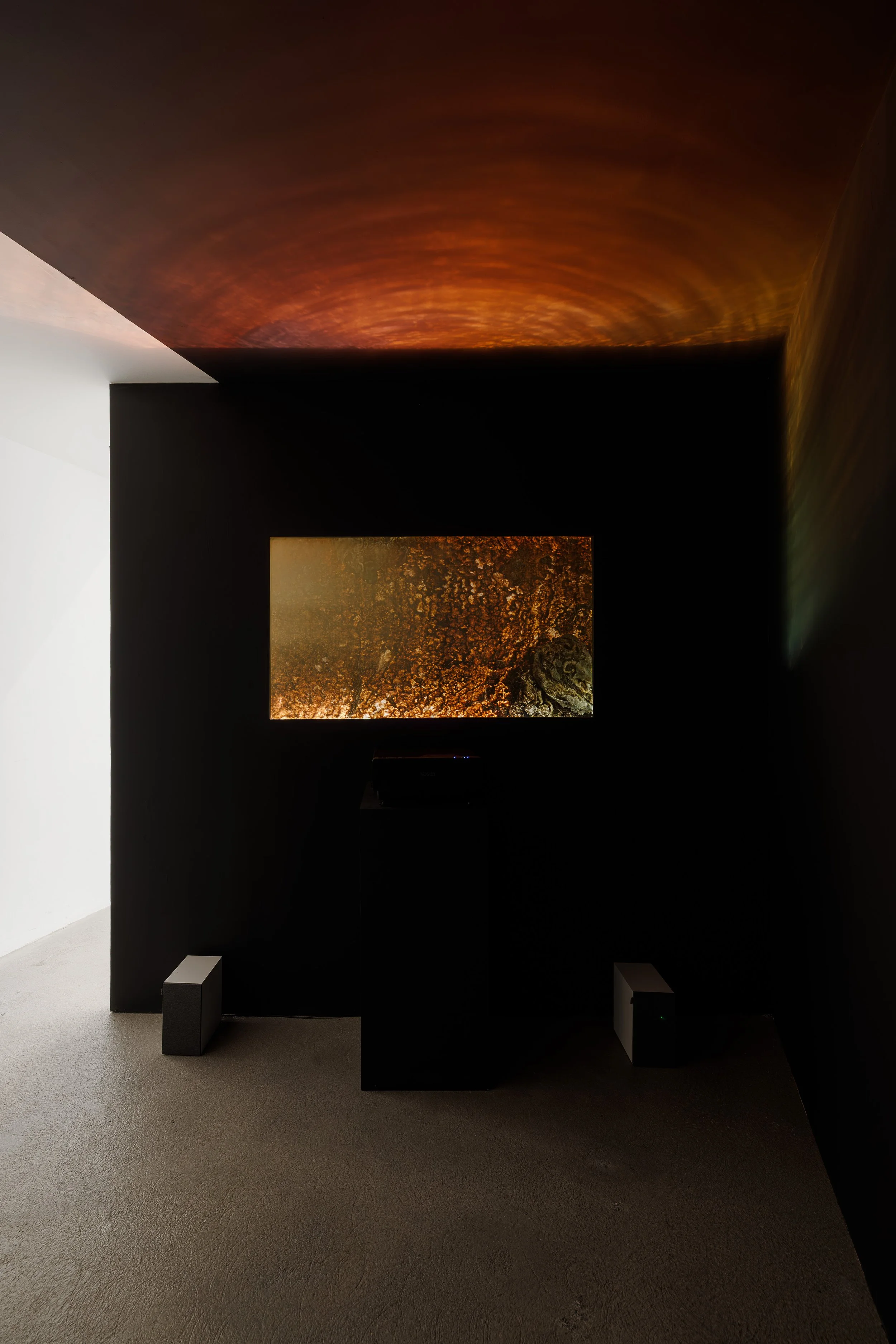
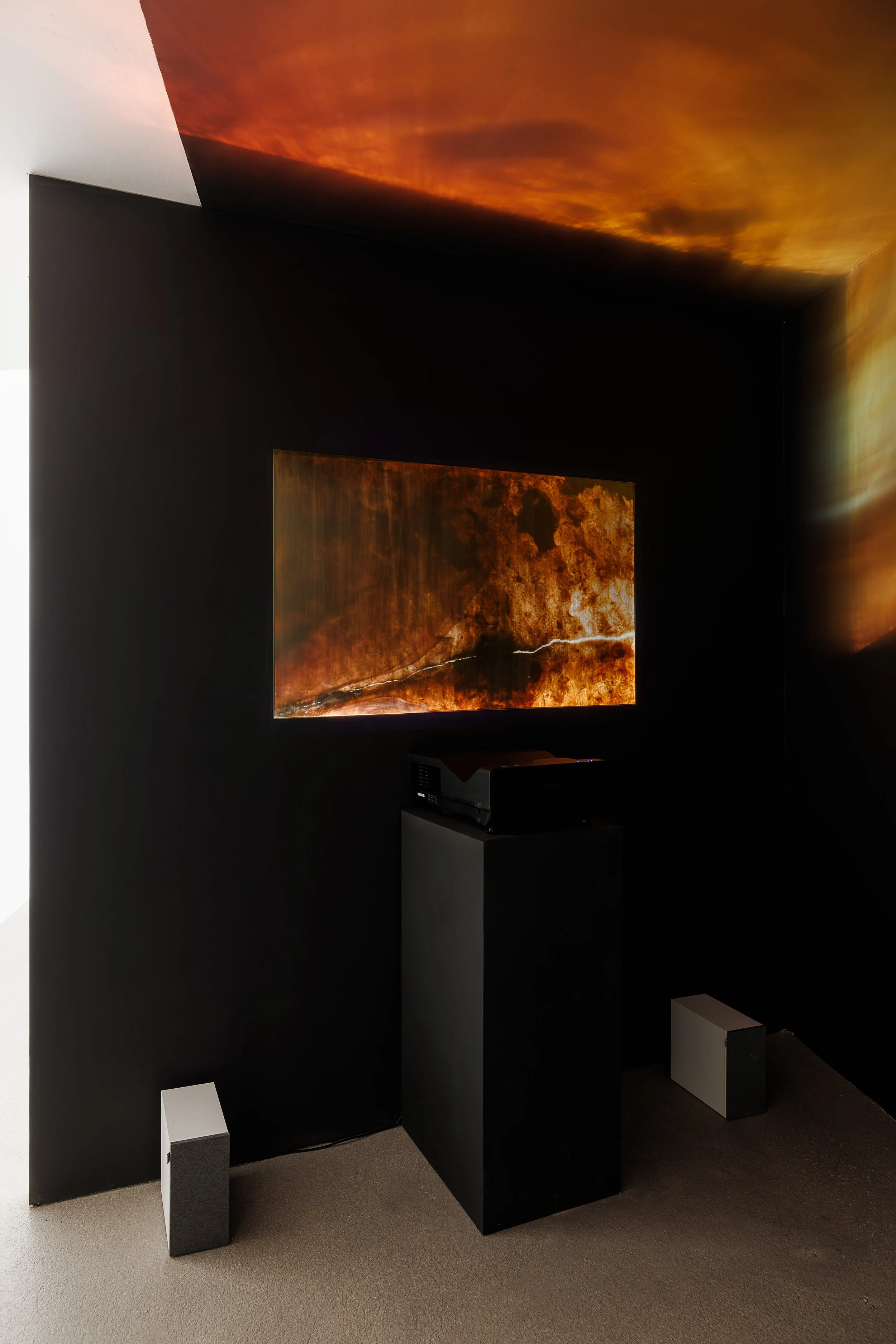
Elisabeth Kihlström
L’oro del mare (Rame)
2026
Video installation
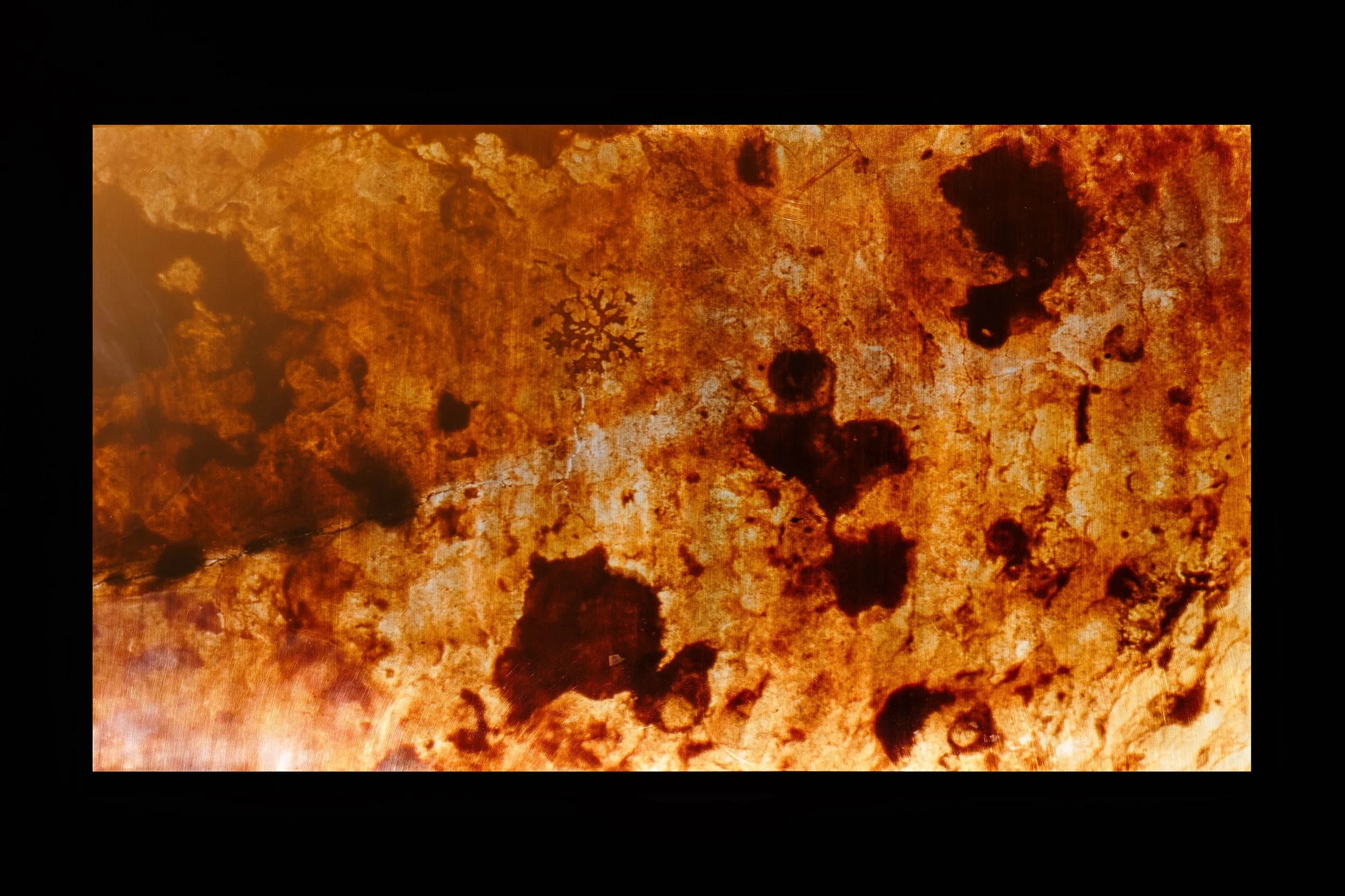
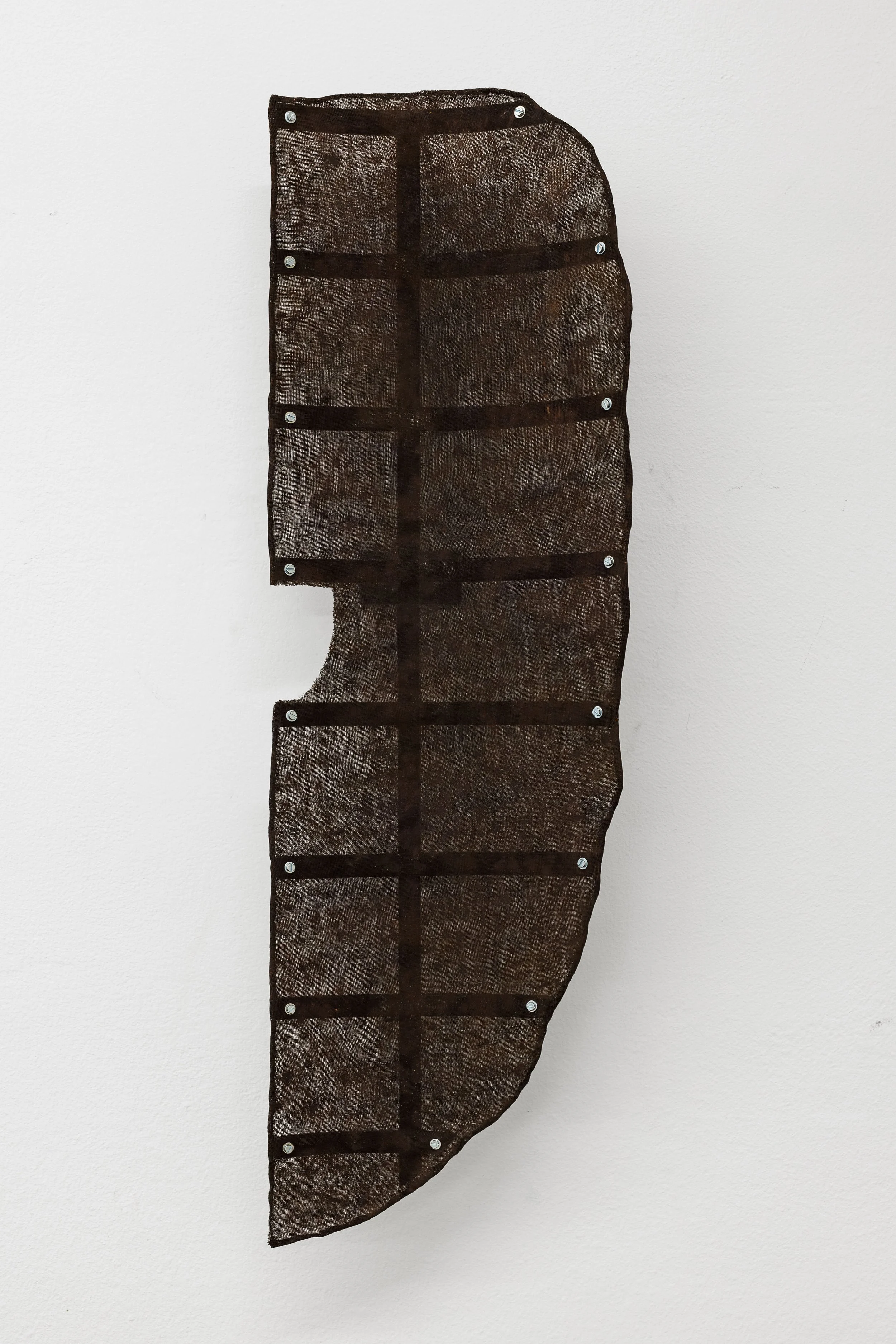
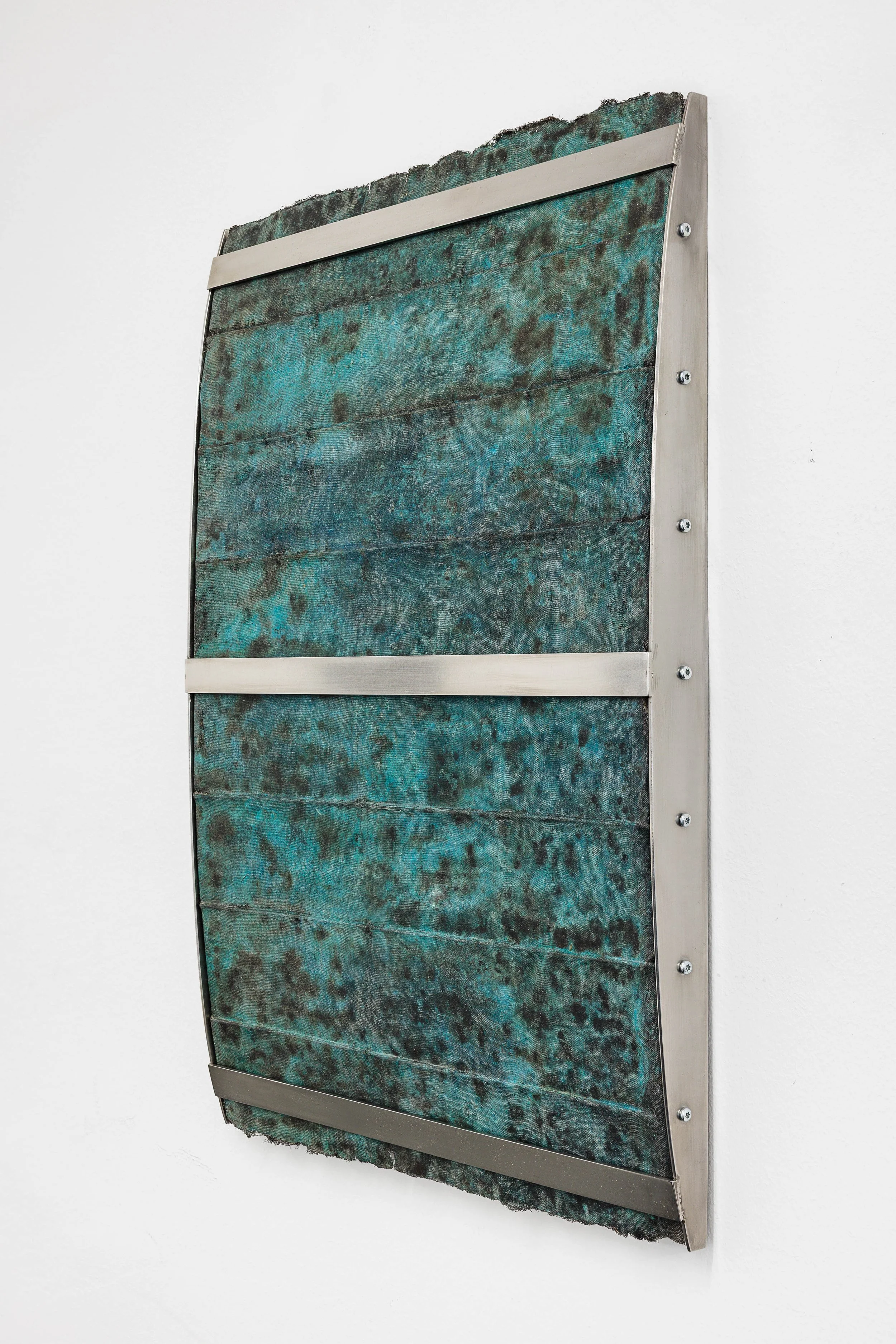
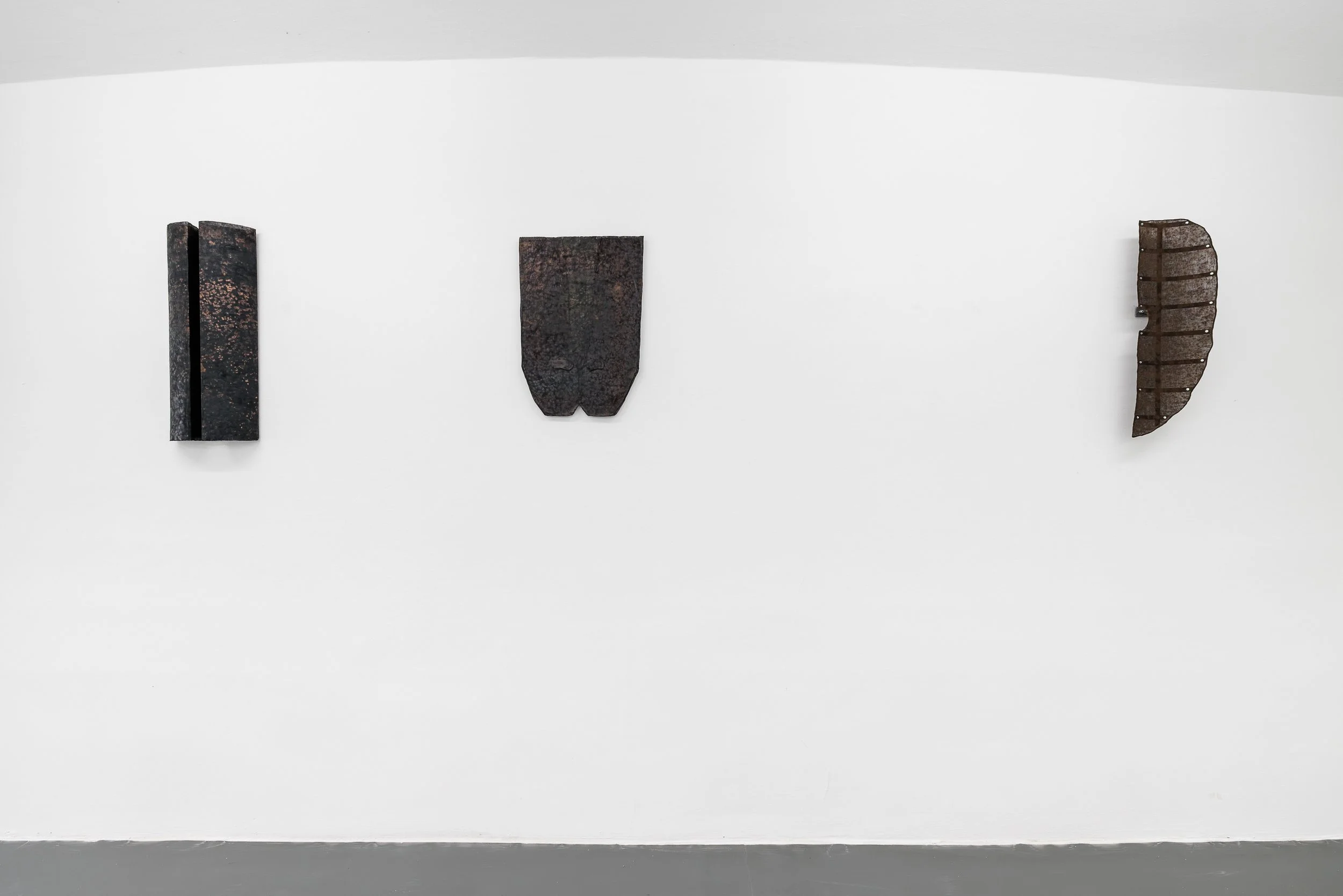
The exhibition’s central material is copper mesh, hand-hammered into surfaces that become hybrids of fabric and metal, in which the properties of one have been inscribed into the other. The hybrid material is pressed against forms, leaving an imprint, and then left in contact with water to initiate oxidation.
The technique has an archaeological precedent. In ancient burials, textiles placed against swords, jewelry, and other metal objects could leave behind a mineralized imprint. Moisture activates the corrosion of the metal, and over centuries the structure of the textile is reproduced in the growing layer of corrosion, thread by thread. The fabric itself disappears, but its weave remains fixed in the metal. Conservators call these textile pseudomorphs. They are among the most precise records we have of ancient textiles: because organic fibers rarely survive for thousands of years, the corroded surface can preserve information that the original material could not. Kihlström is interested in this paradoxical form of preservation, in which decay becomes a means of transmitting information.
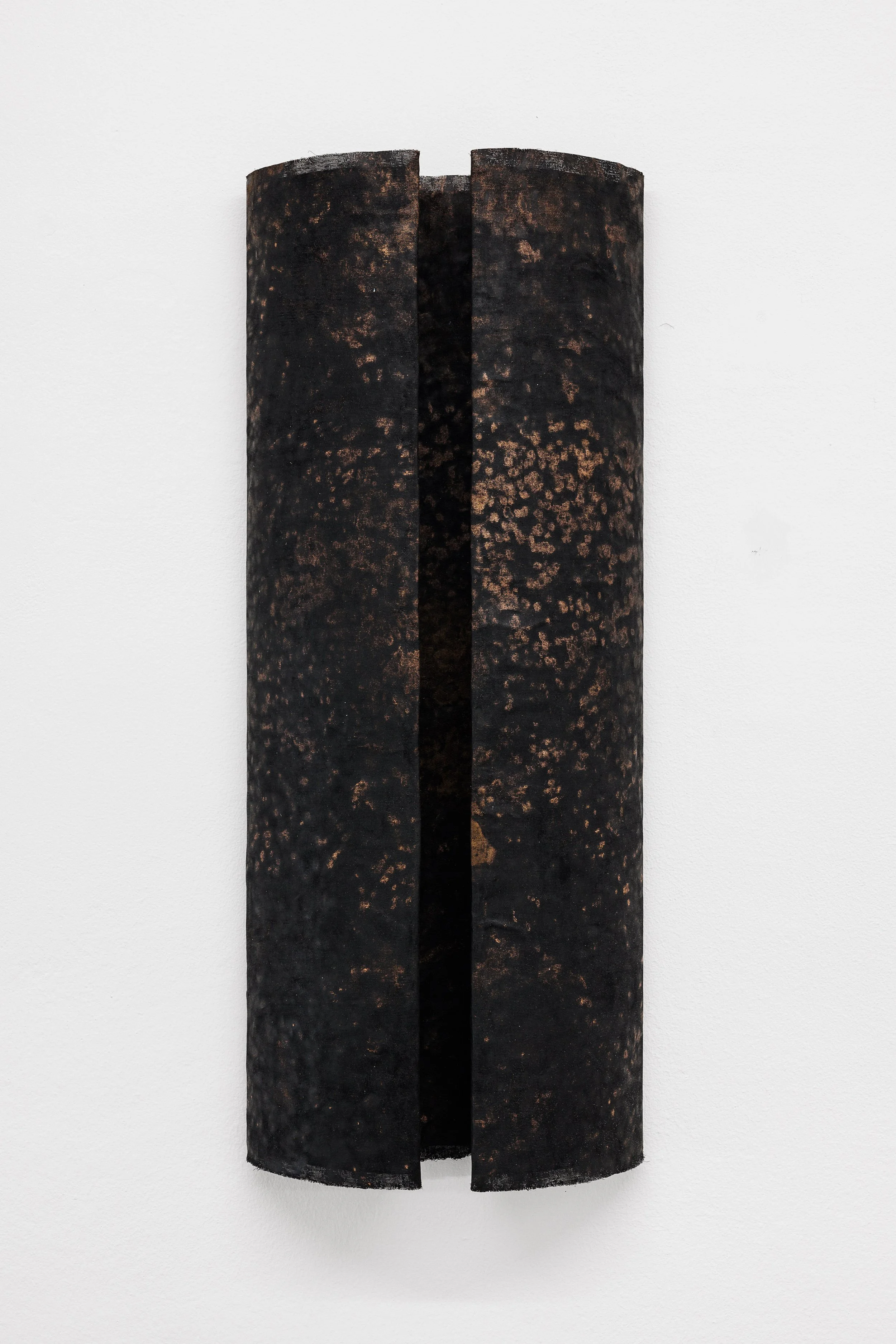
Elisabeth Kihlström
Vigil
2026
56 × 23 cm
Bird
2026
74 × 12 cm
Woven copper, hammered, oxidized
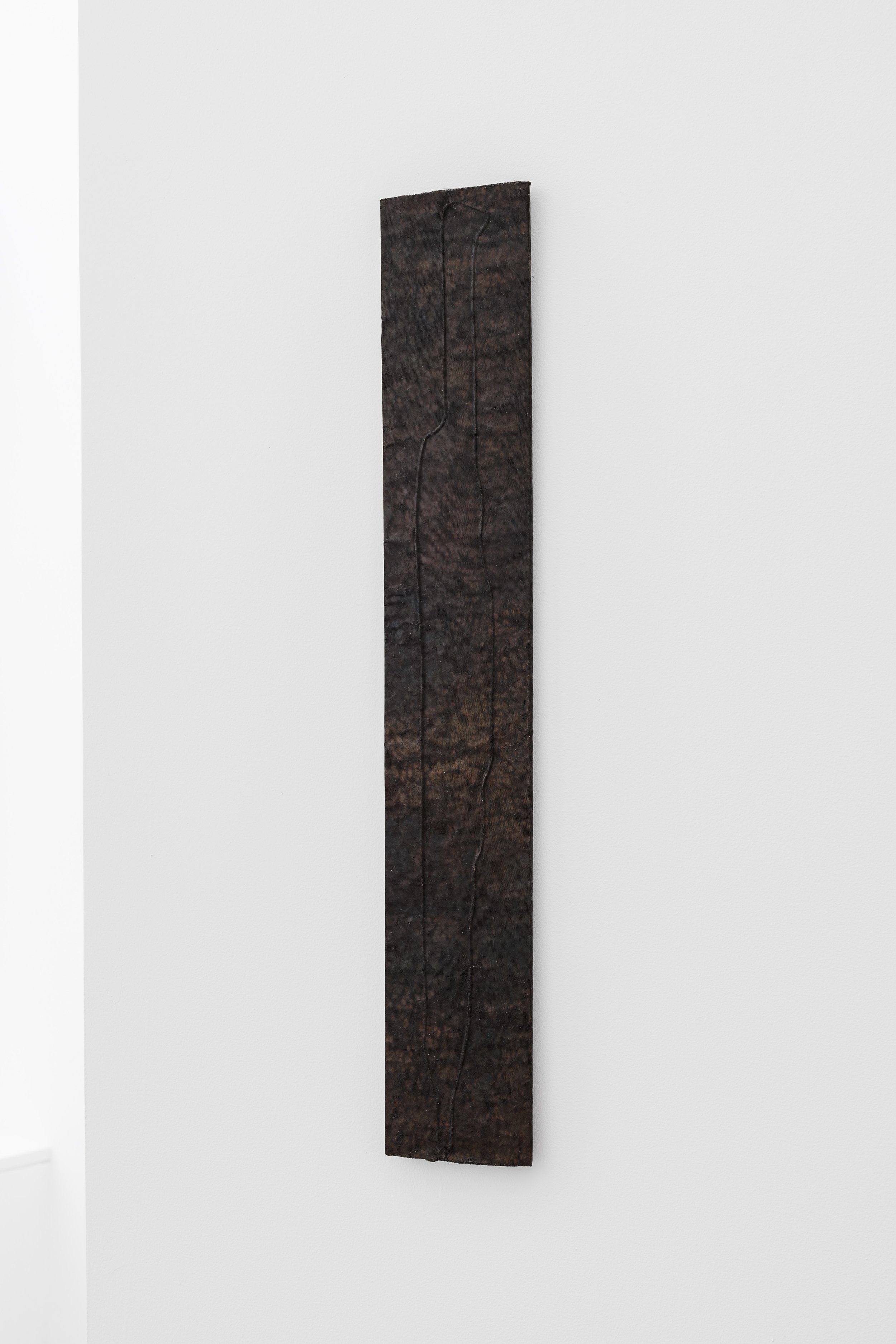
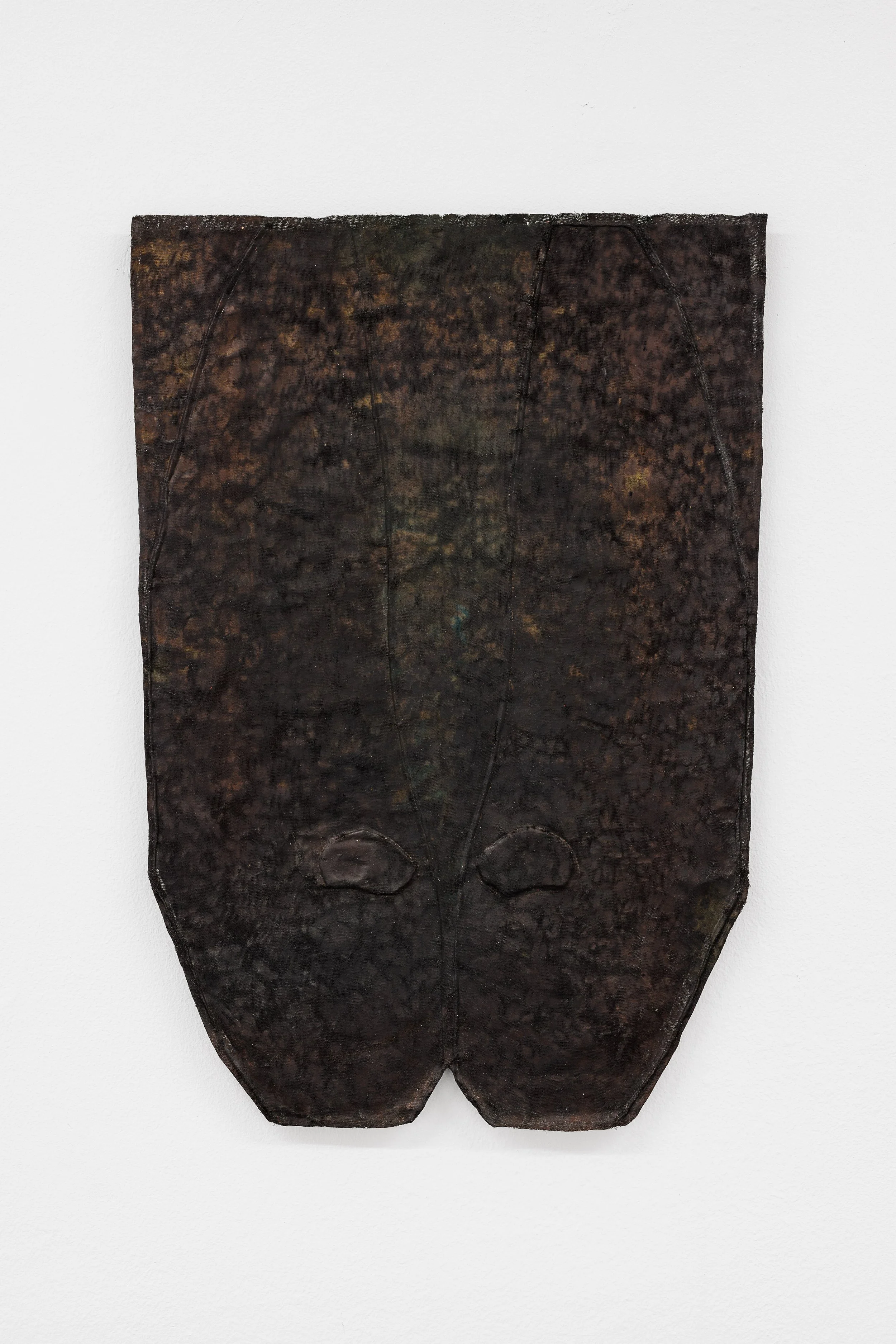
Elisabeth Kihlström
The Weaver
2026
33 × 48 cm
Bone
2026
61 × 20 cm
Woven copper, hammered, oxidized
Elisabeth Kihlström
Lagoon
2026
48 × 32 cm
Woven copper, hammered, oxidized
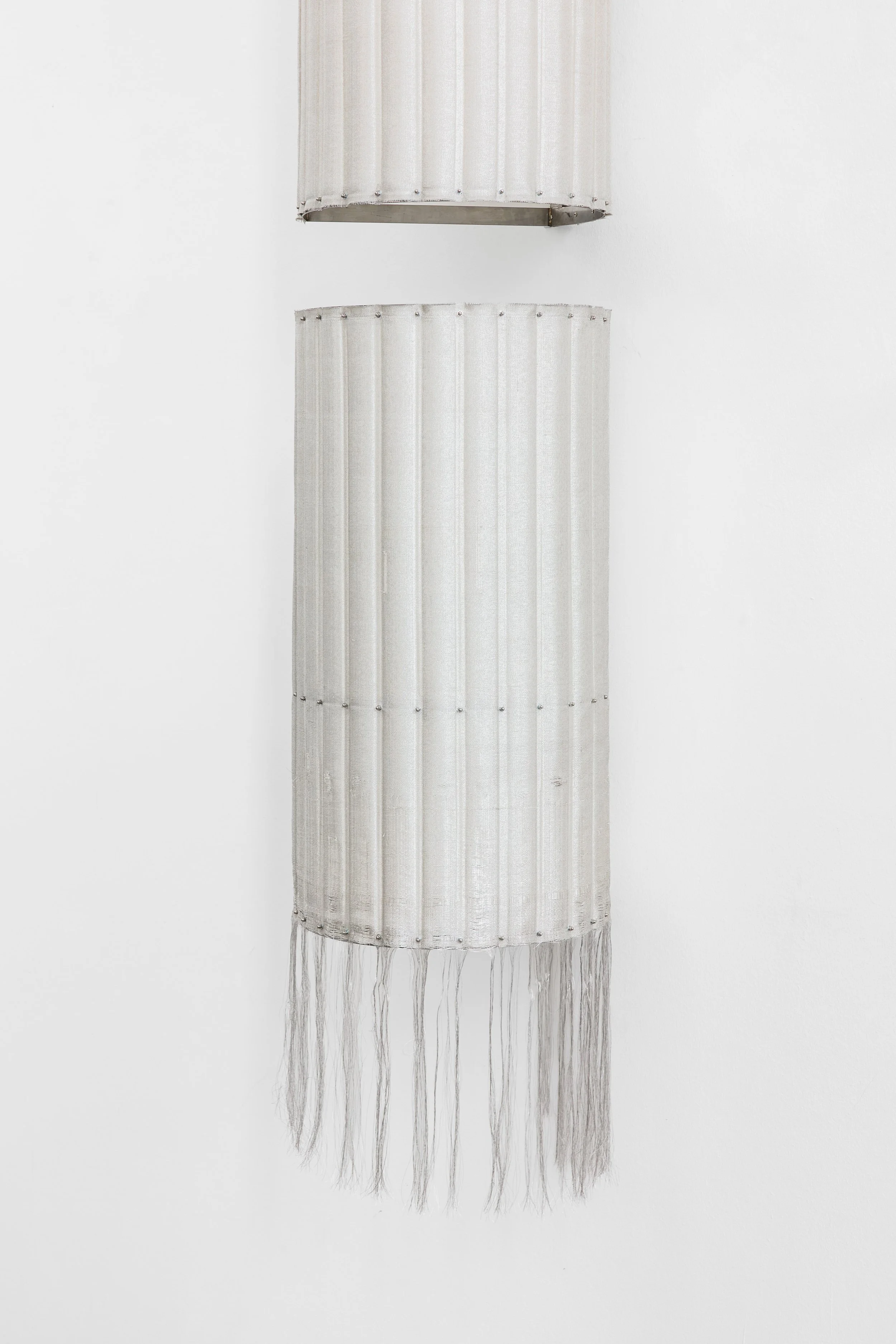
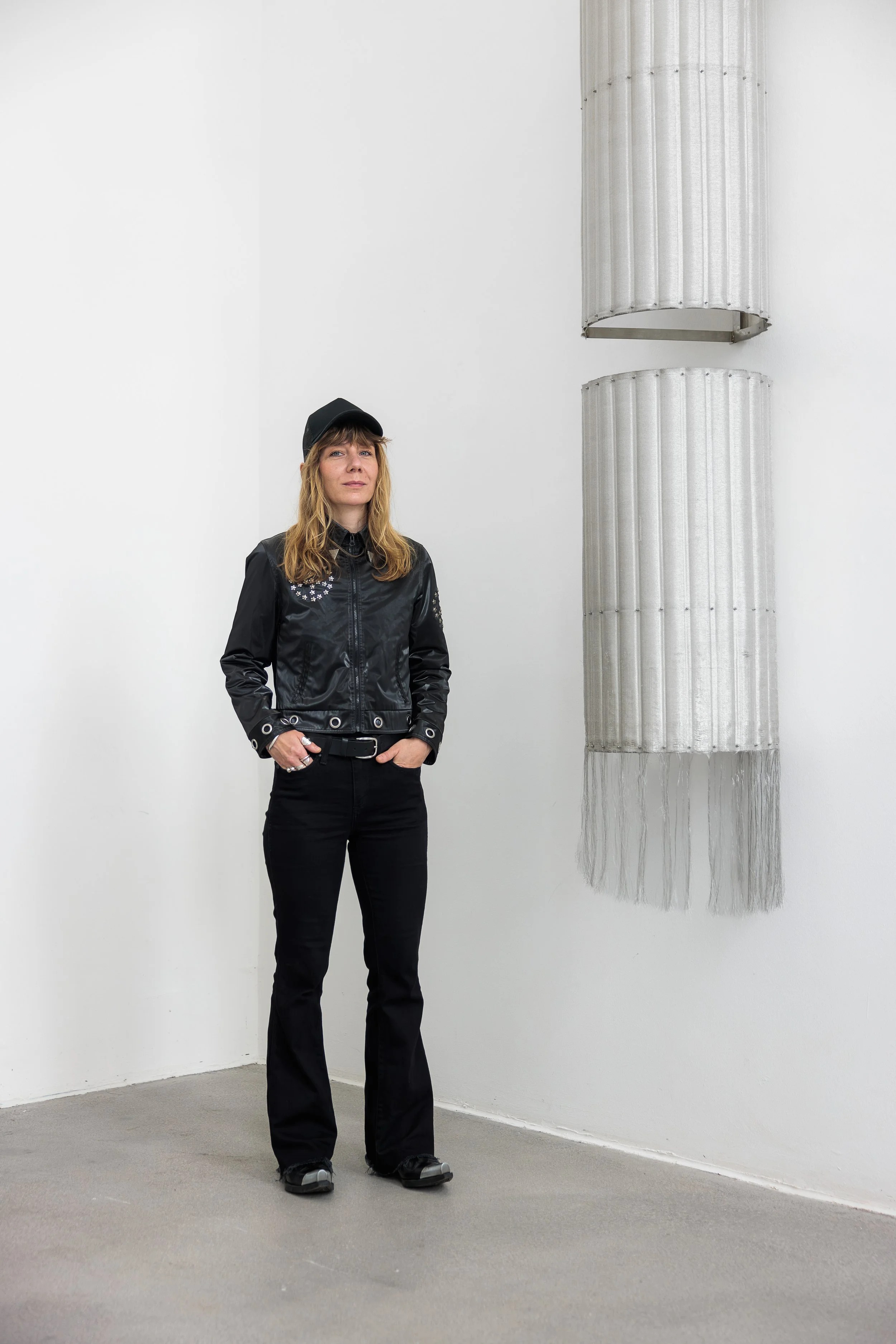
Drums, hand-woven in pure silver yarn and partially oxidized, takes the form of a three-meter column in three parts, disrupted and mounted directly on the wall. The work belongs to Kihlström’s ongoing series of silver weavings that resemble architectural elements.
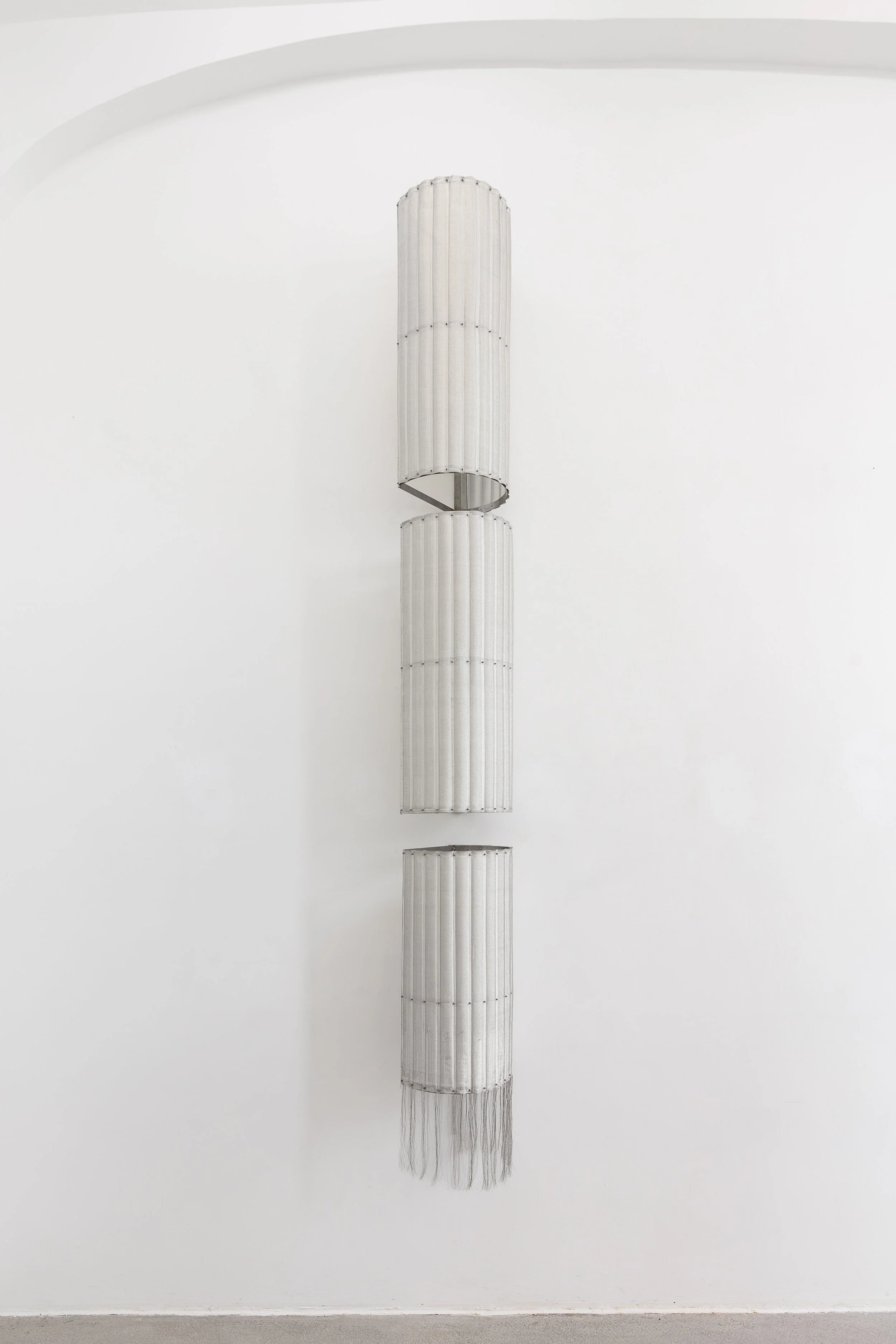
Elisabeth Kihlström
Drums
2026
Hand-woven silver yarn, partially oxidized, three parts
300 cm
The central video installation introduces Pinna nobilis, the noble pen shell, the largest endemic bivalve of the Mediterranean. A so-called umbrella species, it contributes to the maintenance of entire marine ecosystems while filtering large quantities of water through its body; its existence is closely bound to the condition of the sea.
The species also has a long history as a human material. For thousands of years its byssus, the fine fibers with which the shell anchors itself to the seabed, has been harvested and worked into sea silk. Washed, spun, and woven, the fibers catch the light with a quality that has, since antiquity, associated them with gold and made them a coveted luxury good.
This history of desire and extraction now meets one of collapse. Since 2016, Pinna nobilis has suffered a catastrophic mass mortality event across the Mediterranean, caused by a pathogen whose spread has coincided with rising sea temperatures. Millions of individuals have died. A species endemic to the Mediterranean for millions of years is now critically endangered, and functionally extinct across most of its historical distribution. Pinna nobilis today exists primarily as data, DNA samples, and forensic protocols.
Since 2024, Kihlström has worked with Pinna nobilis in dialogue with scientific researchers in Italy attempting to understand and save the species. She is an artist-in-residence of the European Marine Board for 2026–2027, developing the project in collaboration with marine ecologist Professor Mariachiara Chiantore (University of Genoa) and conservation geneticist Associate Professor Daria Sanna (University of Sassari).
The project brings biological research into contact with artistic investigation. Kihlström does not turn the shell into an illustration of the climate crisis, but approaches it as both a biological body and a historical site. The shell enters a practice already organized around the effect of water on material, after years of work with woven metal and controlled oxidation.
What does it mean for something to be preserved through its destruction? What is an imprint other than a form of absence? L’oro del mare (rame) offers no stable answers. The works move between archaeological residue, ecological and cultural loss. Water, here, is neither background nor metaphor. It is what makes things change. The force that destroys is also the force that writes. Sometimes it is only as something disappears that its structure becomes visible.
Elisabeth Kihlström (b. 1988, Sweden) lives in Vienna, where she completed her master’s at the Academy of Fine Arts under Julian Göthe in 2015. She works across weaving, film, performance, and installation, following how bodies, spaces, and systems are shaped by material process. The work is rooted in queer experience and draws on both modernism and subcultural visual languages.
She received the H13 Performance Prize in 2022 and the Dorothea von Stetten Art Award and held a solo exhibition at Kunstmuseum Bonn in 2024. Her work has been shown at mumok Kino (Museum of Modern Art Vienna), and at BEK, where she performed Tuning in 2025. A solo exhibition opens at OK Linz in 2027. She co-edits and designs the annual publication Agency.
L’oro del mare is developed as part of the European Marine Board artist-in-residence program EMBracing the Ocean, with marine ecologist Mariachiara Chiantore (Genoa) and conservation geneticist Daria Sanna (Sassari).
Supported by Bundesministerium für Wohnen, Kunst, Kultur, Medien und Sport (BMWKMS).
Curated by Yizhuo Li. A BEK production.