
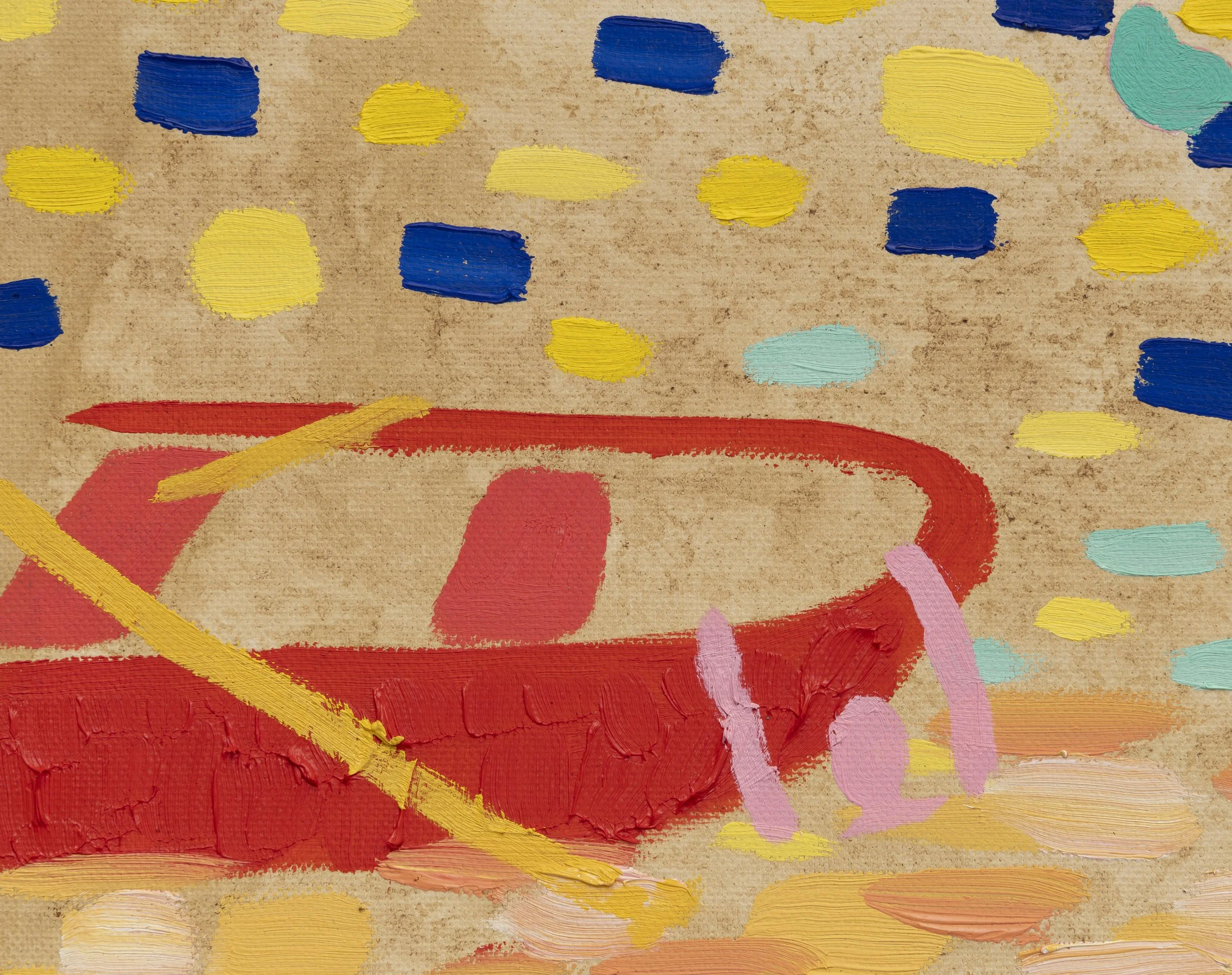
Channatip Chanvipava: Parallel Worlds
In his first Austrian solo exhibition, Parallel Worlds, Channatip Chanvipava brings together painting, installation, and video in an environment shaped by memory, reflection, and spatial disorientation. Moving between Bangkok and London, the works draw from domestic interiors, passing encounters, digital fragments, and moments suspended between intimacy and distance. Rather than presenting memory as fixed or nostalgic, Chanvipava approaches it as something unstable and continuously reassembled through images, movement, and repetition.
At the center of the exhibition, the installation Slow Dancing extends beyond the surface of the painting itself. A distorted reflection unfolds across the floor while black cables move through the architecture of the space, physically linking separate rooms and works. The dual-channel video Parallel Worlds follows a similar logic, approaching the moving image less as narrative than as surface, atmosphere, and accumulation.
On view: 29 May – 25 July
Curated by Nick Koenigsknecht
We all come from somewhere.
In the late 20th and early 21st centuries, we used the term “post” to describe a world that felt like an aftermath: postmodern, postcolonial, post-truth. The term points to abreak, but only gently, keeping the past as the relational context through which the present is understood. By attaching modernity, colonialism, or truth to a “post” condition, these frameworks are not fully left behind. They remain the primary reference points for our current condition. This deictic language, defining the present by pointing back to what came before, no longer suits our time. We are inhabiting a moment where the structures that once defined the world no longer carry the same authority.
In preparing for this exhibition, I found myself tripping over my own assumptions. I approach the work from the perspective of an American curator at a time when the world order I inherited no longer feels secure. I tell myself that this shift may lead to a better, more equitable, and multipolar world. Still, I catch myself circling around fear, surely emerging from my bias… What does it mean to live in a world where “the West” no longer occupies the position of authority?
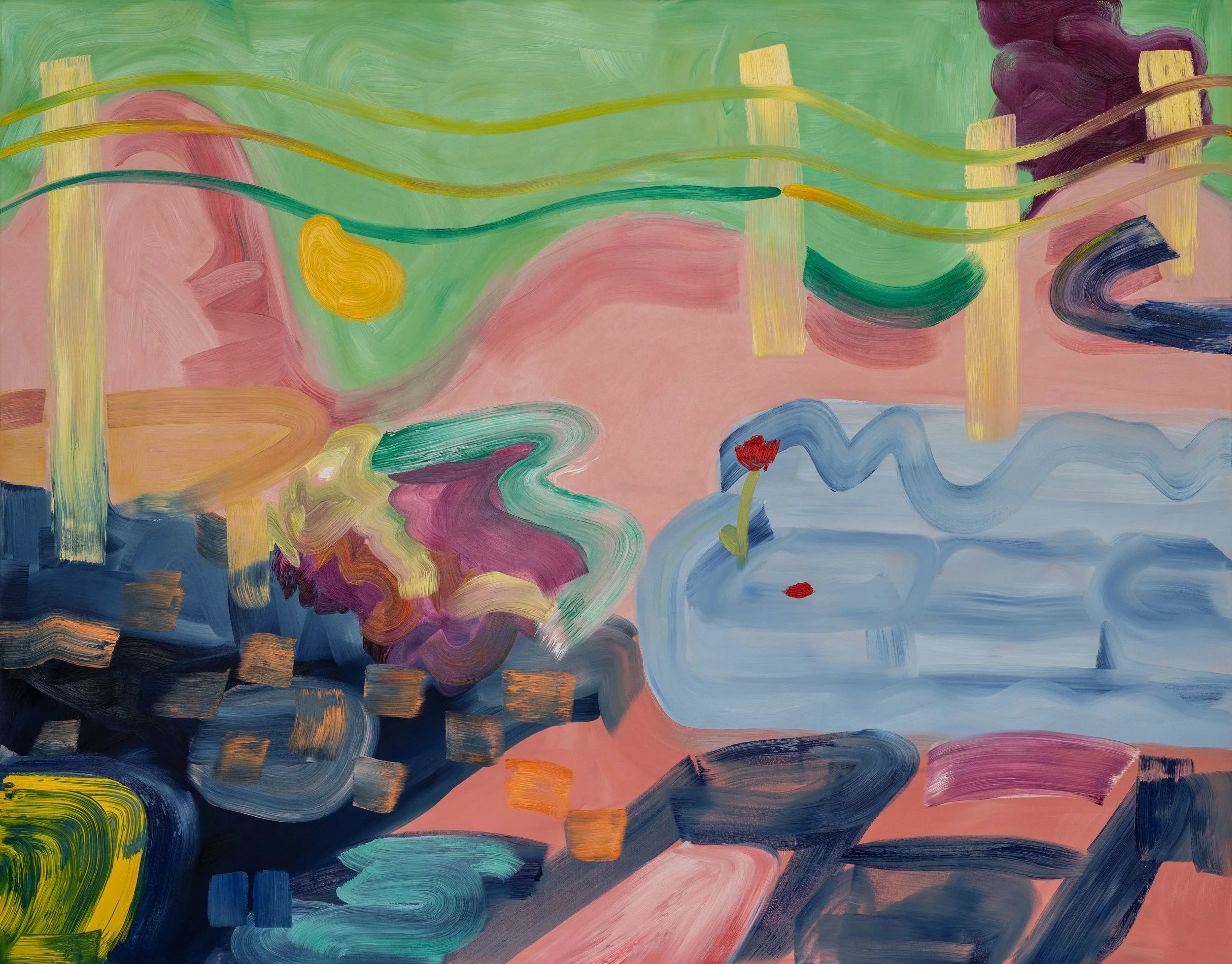
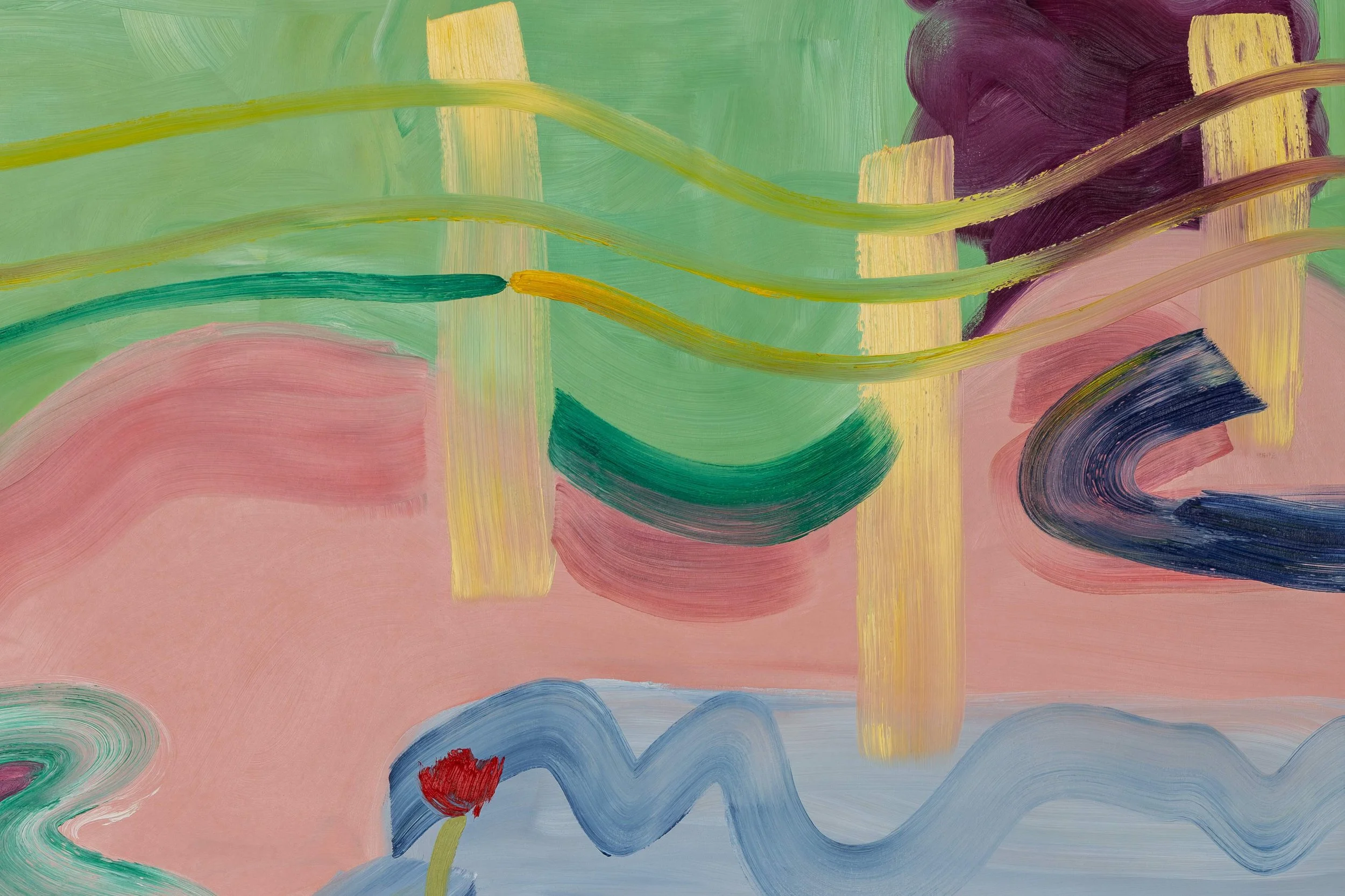
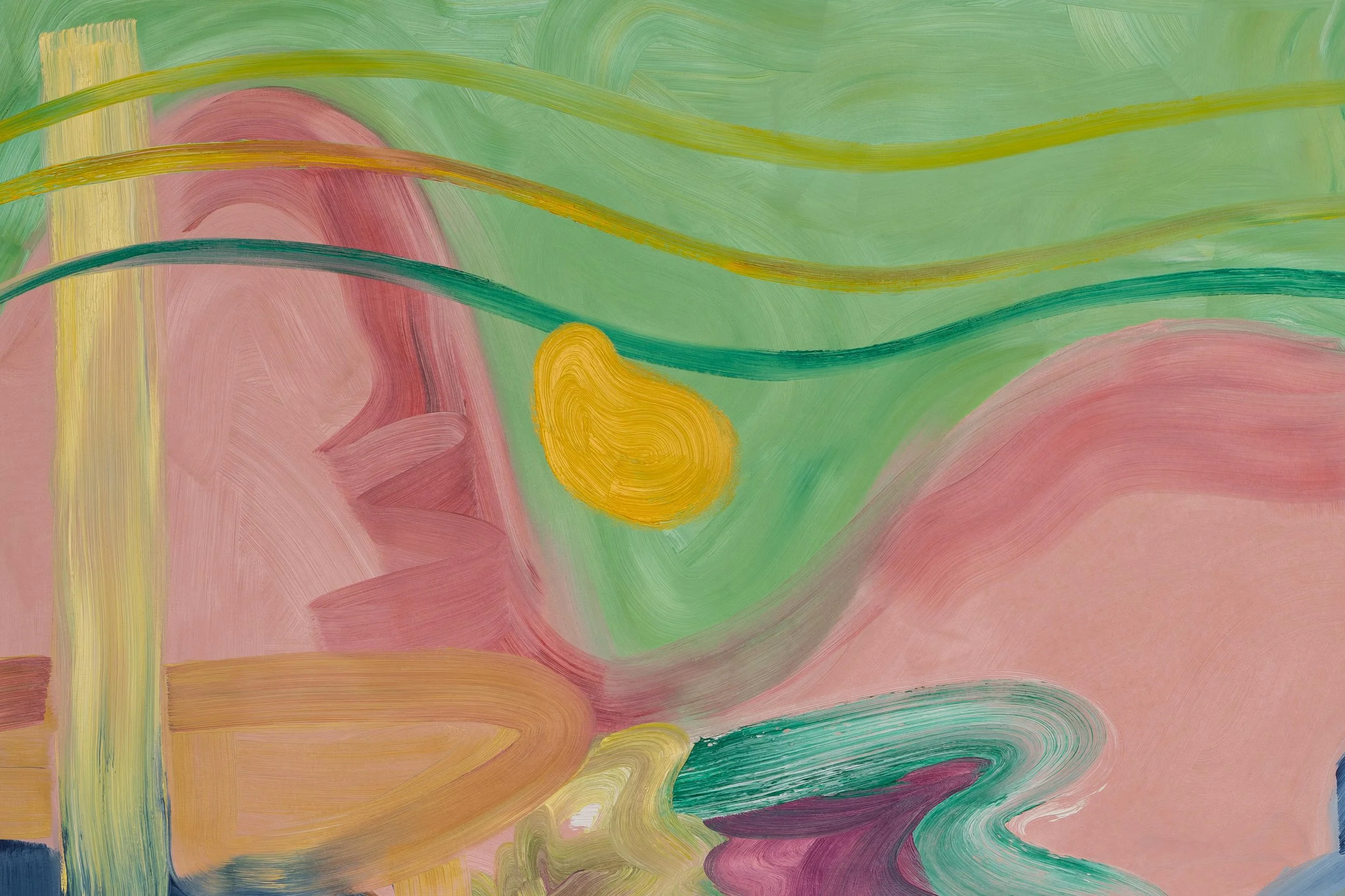
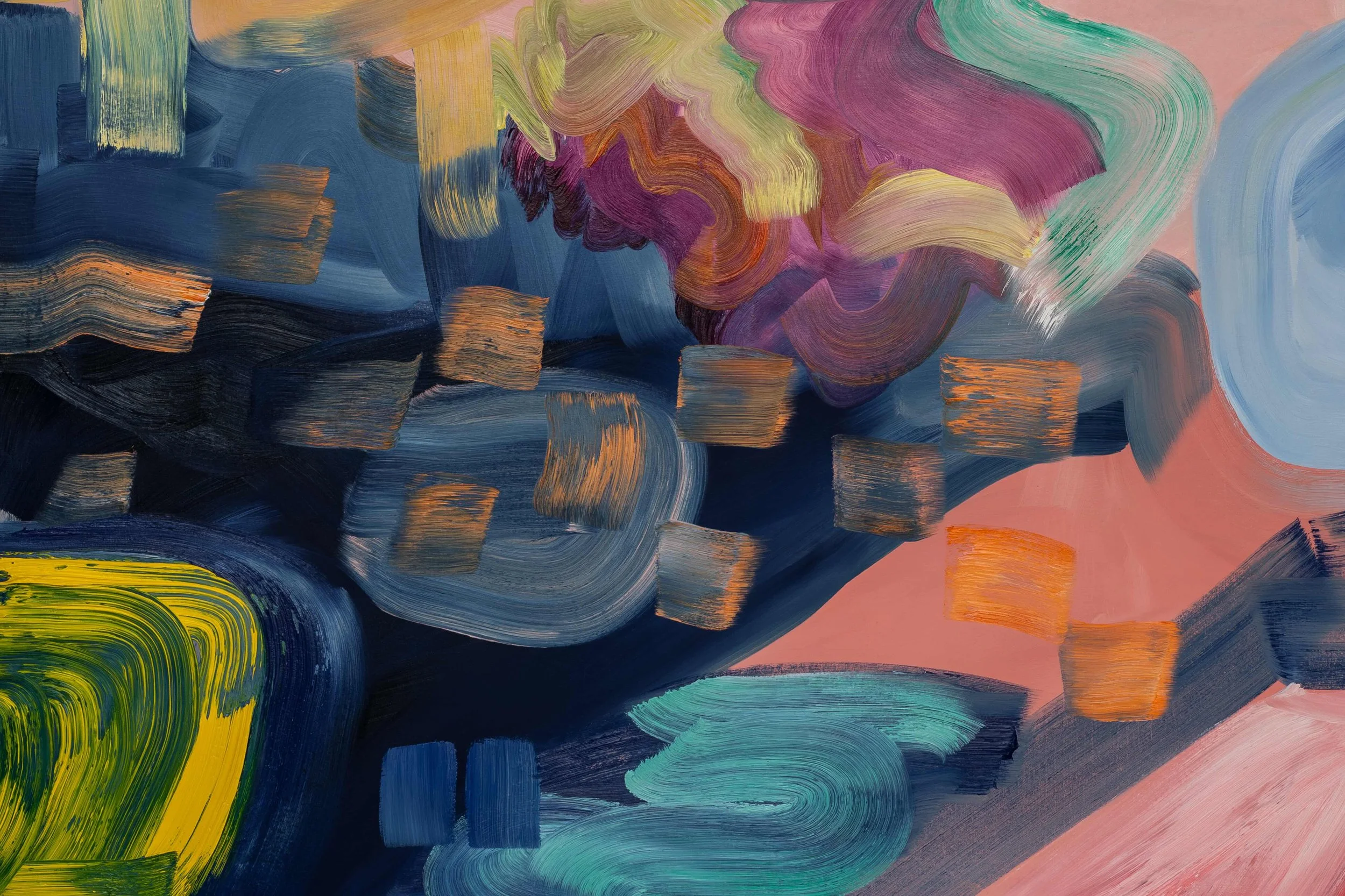
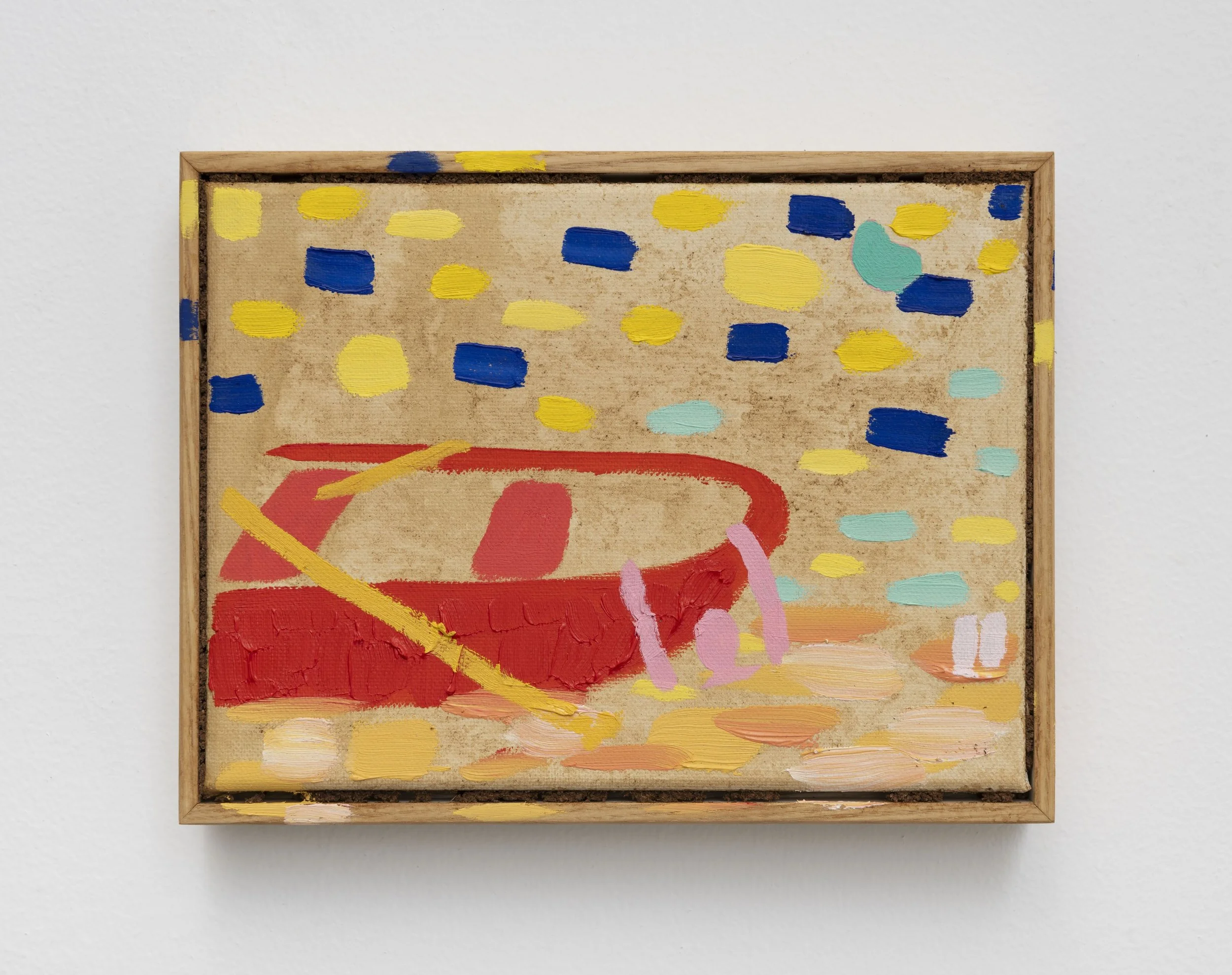
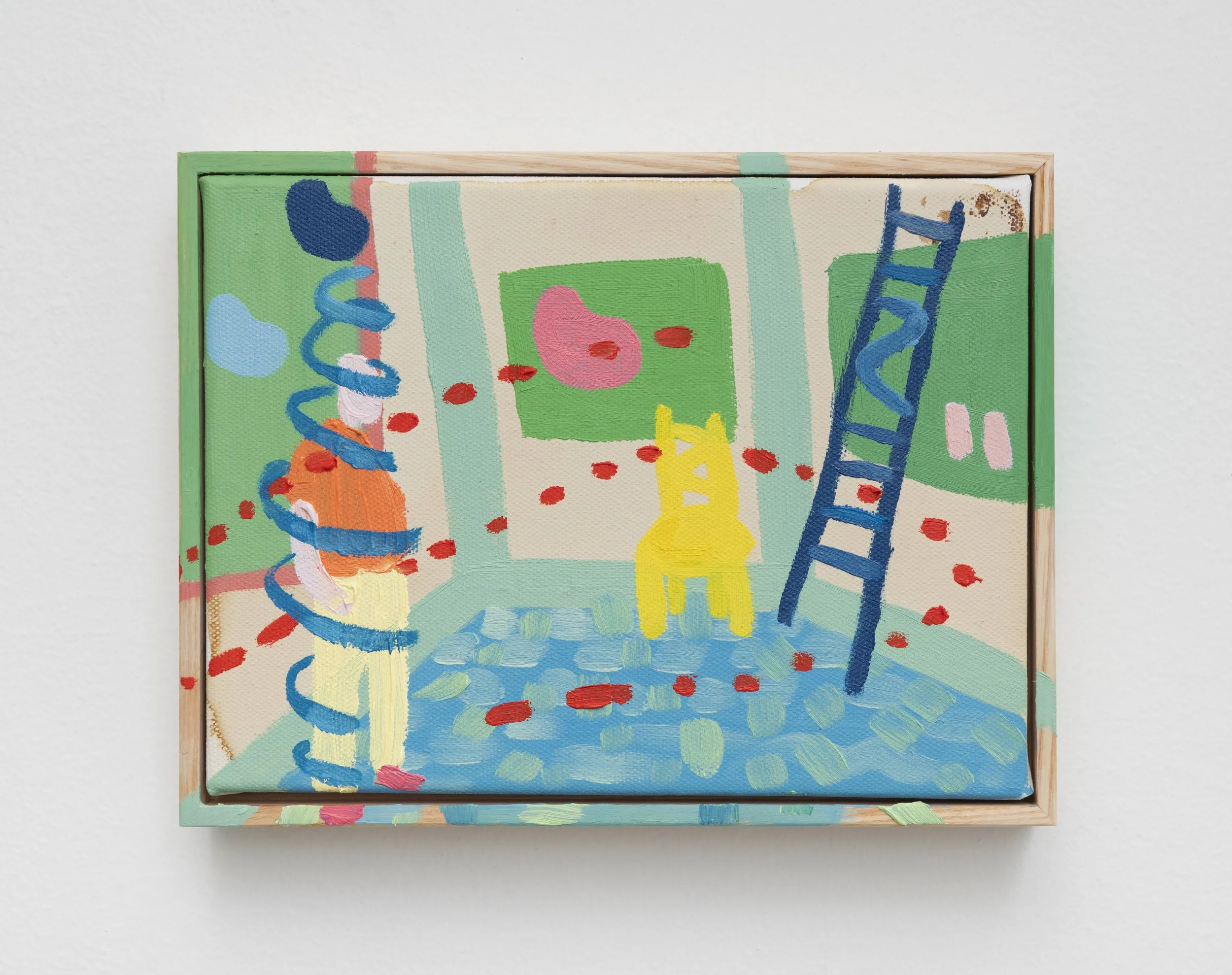
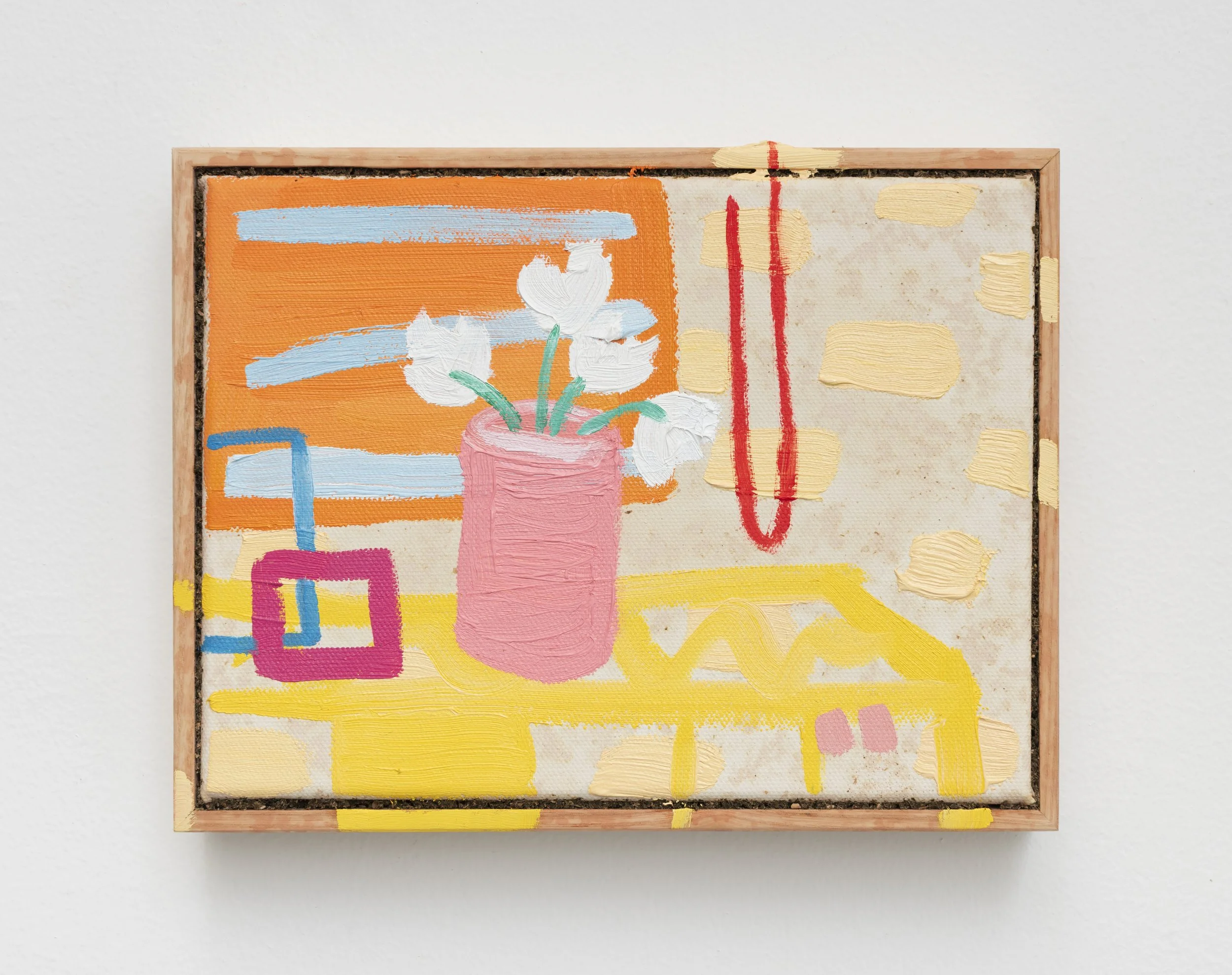
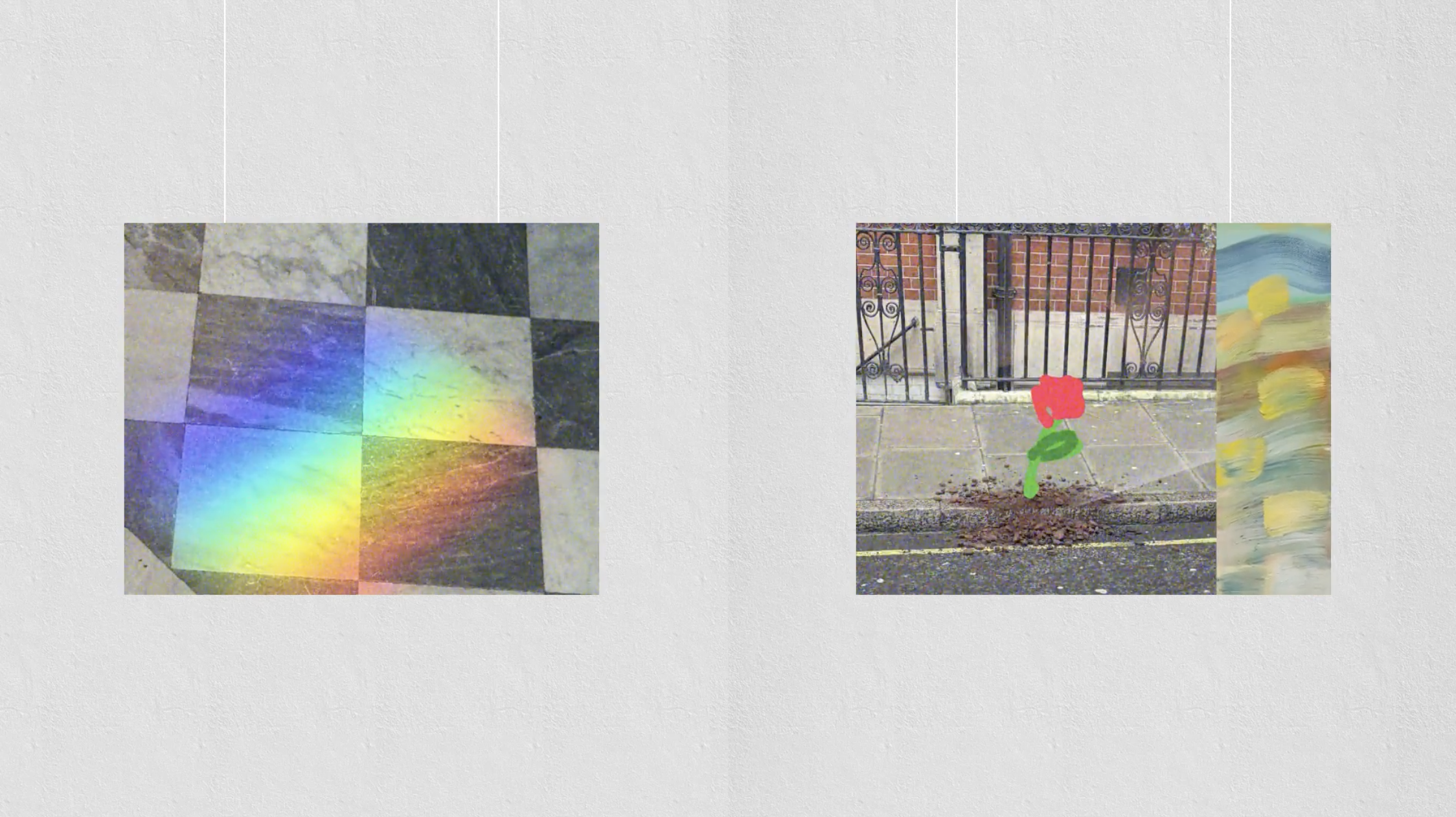
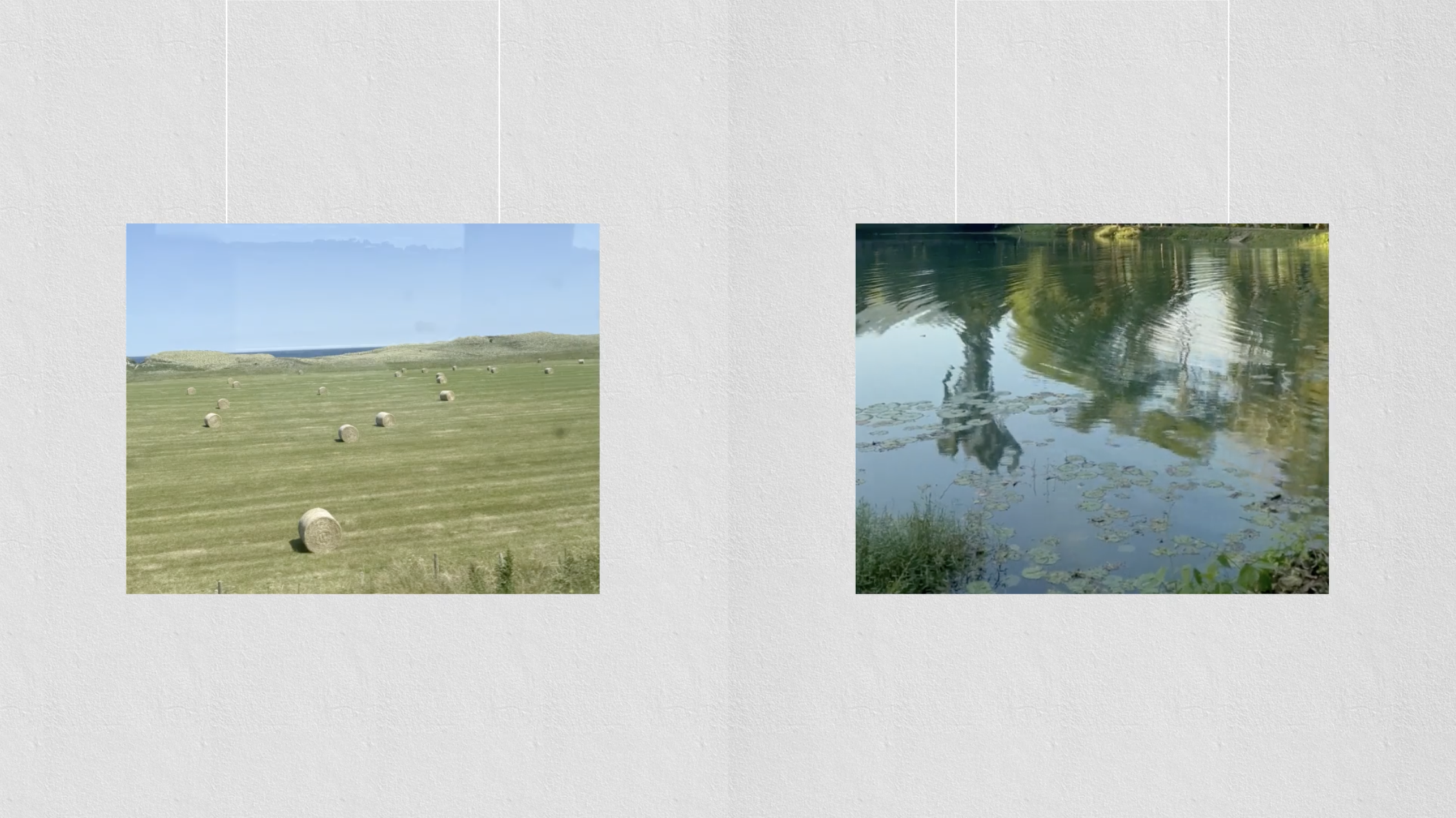
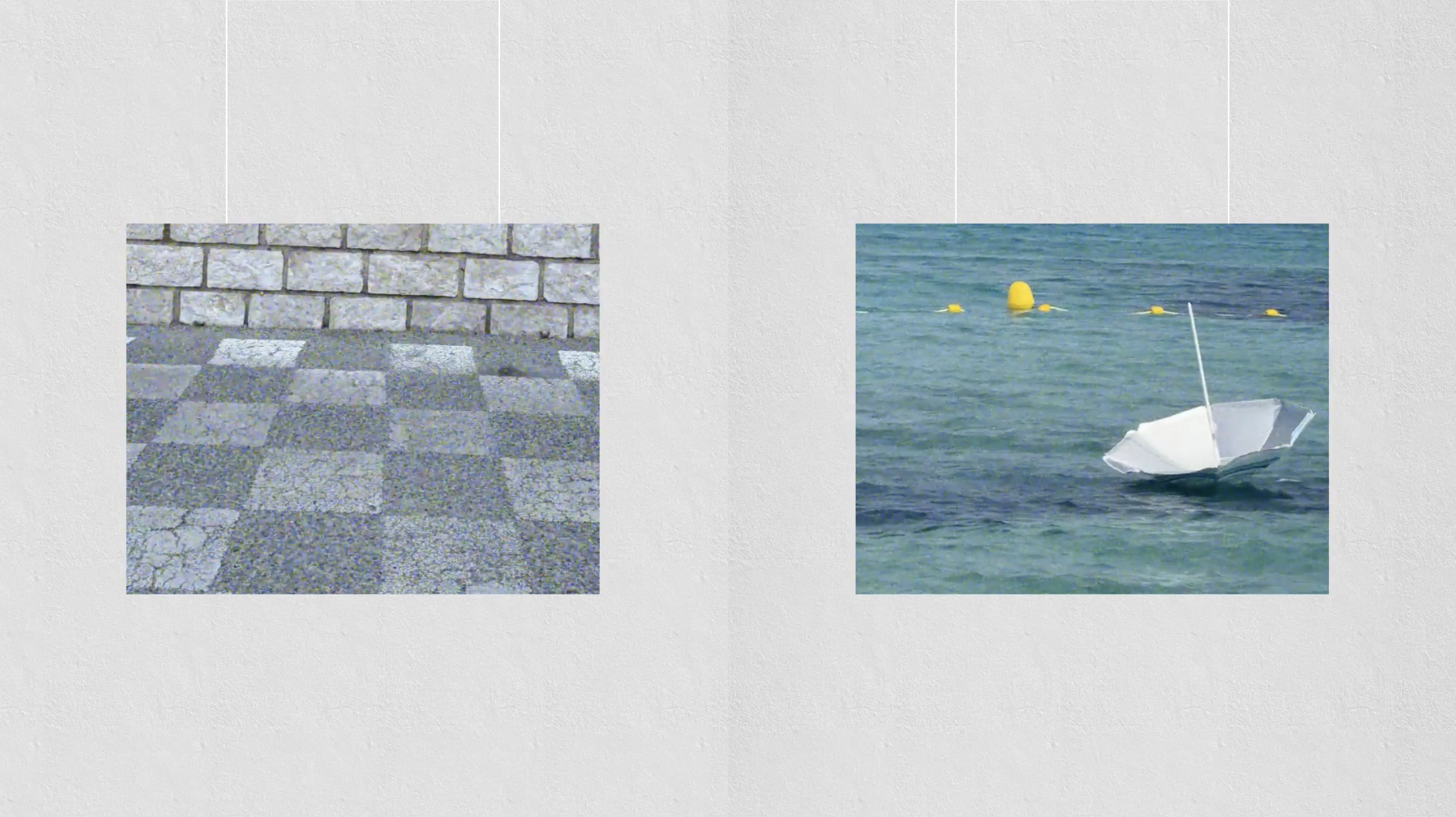
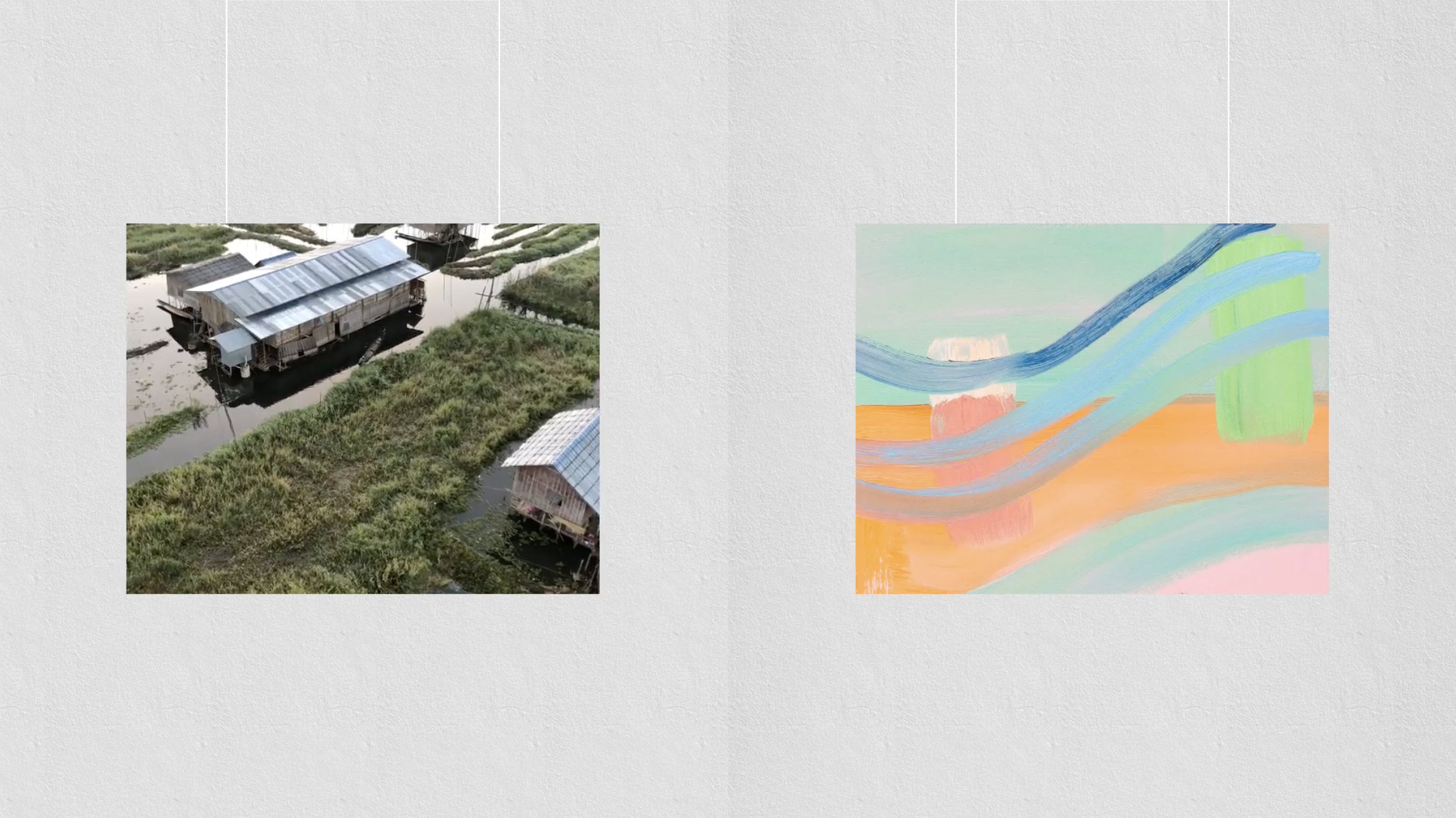
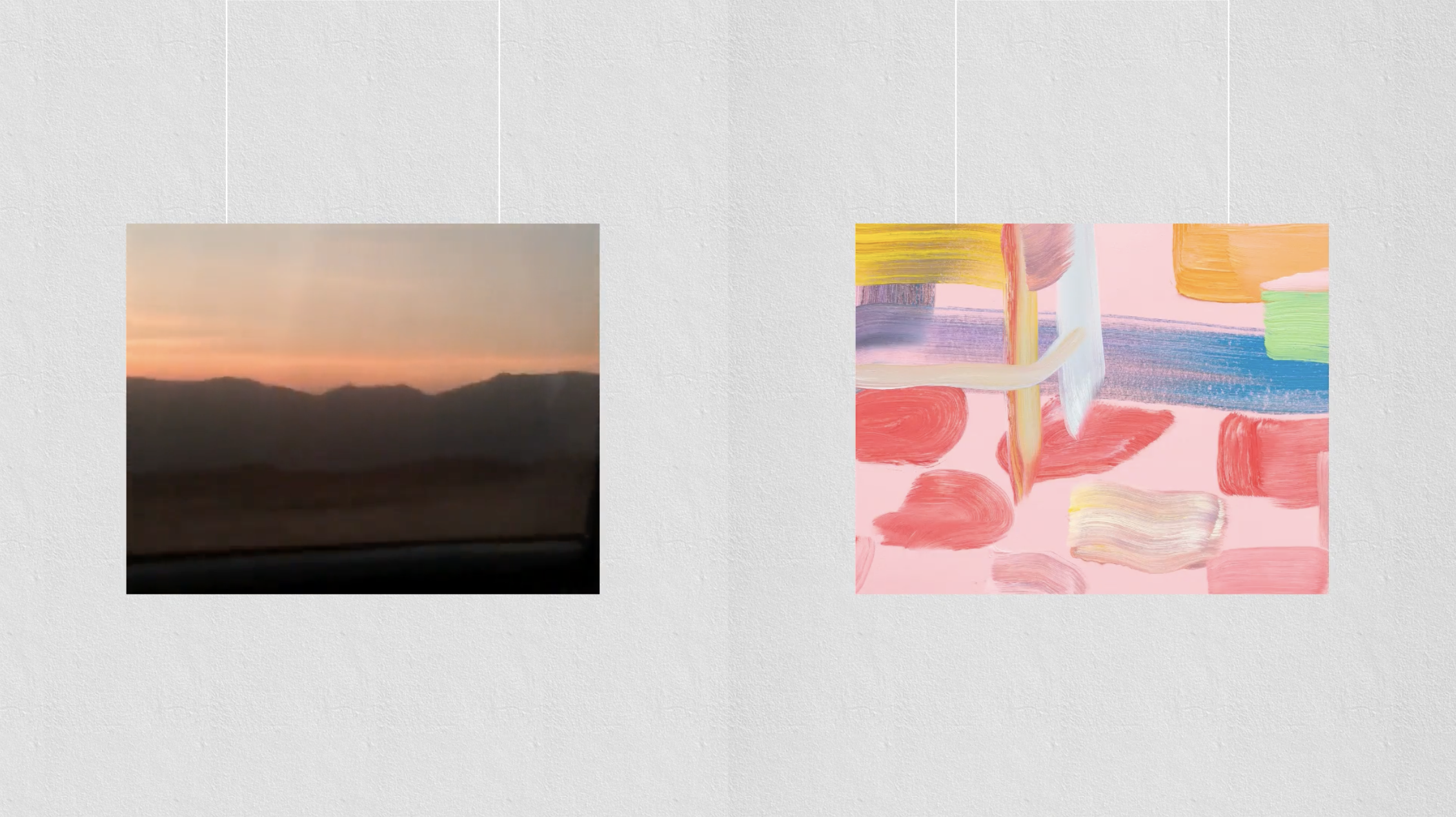
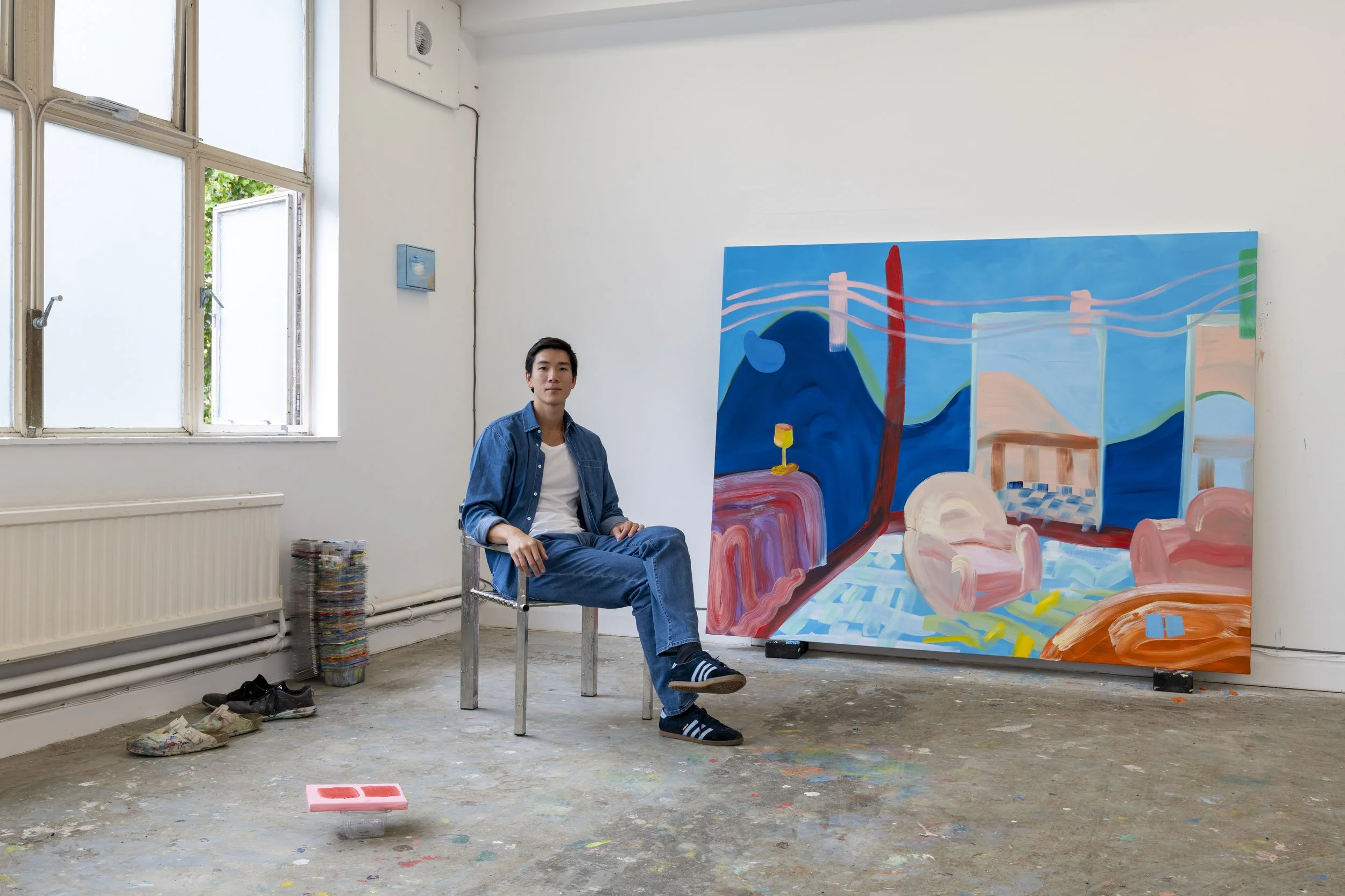
Channatip Chanvipava (b. 1993) is a Thai-British artist of Chinese descent whose paintings, videos and installations explore memory as a fluid psychological and emotional terrain through which questions of identity, migration and belonging are negotiated. Born in Thailand and now based in Bangkok, he spent two decades living in the United Kingdom, an experience that continues to shape his cross cultural perspective and understanding of intimacy, displacement and selfhood. Self taught as a painter and a graduate of the London School of Economics, Chanvipava approaches painting as a process of recollection and emotional reconstruction, working intuitively without preparatory sketches or photographic references. Through gestural brushwork, layered sculptural surfaces and shifting spatial compositions, he transforms autobiographical fragments into emotionally charged works that move between abstraction and figuration. His practice reflects on queer marriage, parenthood, family structures and Asian consciousness, positioning personal memory within broader social, cultural and political frameworks.
Across painting, installation and moving image, Chanvipava constructs psychologically charged environments in which memory becomes both subject and material. Working entirely from recollection, he reconfigures fragments of lived experience through gesture, repetition and spatial distortion, allowing domestic interiors, urban landscapes and everyday objects to become emotionally resonant structures. Central to his practice is the understanding of memory not as fixed or archival, but as fluid, unstable and continually generative. His works frequently explore how intimacy, migration and identity are shaped through movement across places, relationships and histories, while installation allows painting to extend into lived and immersive space. Chanvipava’s practice approaches recollection as a process of continual transformation through which personal histories open outward into collective emotional experience.
Chanvipava has presented solo exhibitions at Roman Road, Venice and London; Ronchini Gallery, London; Nova Contemporary, Bangkok, and will be included in the 2026 Bangkok Art Biennale.